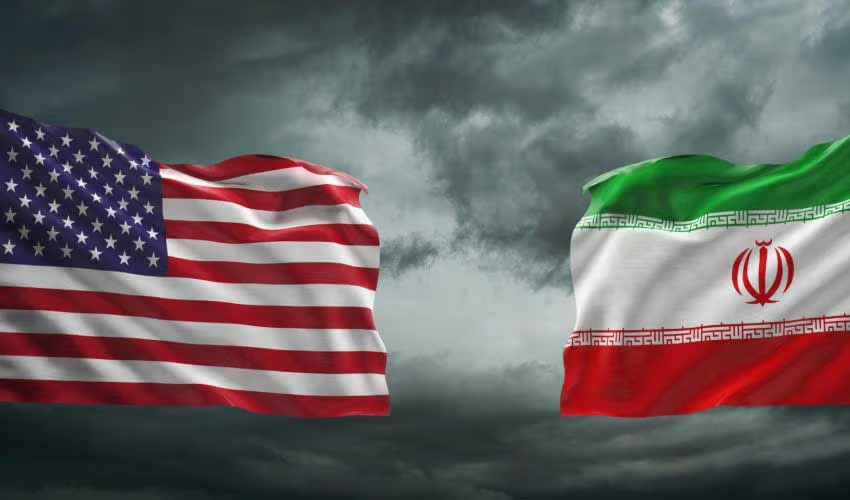

President Donald Trump has rejected an Iranian proposal for a seven-day ceasefire that Tehran said could lead to the reopening of the Strait of Hormuz and the resumption of negotiations over Iran’s nuclear program.
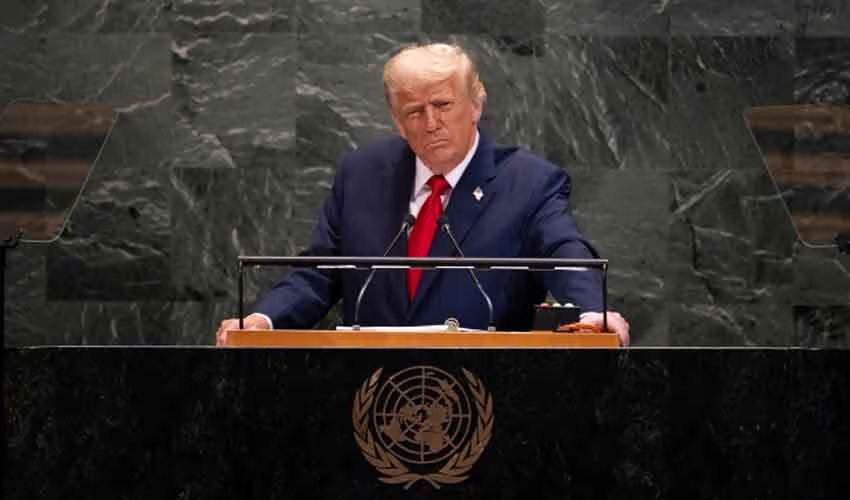
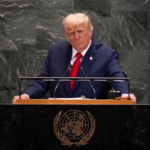
The proposal emerged during diplomatic activity surrounding the United Nations General Assembly in New York, offering a potential pathway toward reducing tensions after months of conflict between Washington and Tehran.
Iranian Foreign Minister Abbas Araghchi said Tehran had delivered the proposal to the United States through Qatar. Under the plan, Iran would restore normal maritime passage through the strategic waterway within seven days if Washington met a series of conditions.
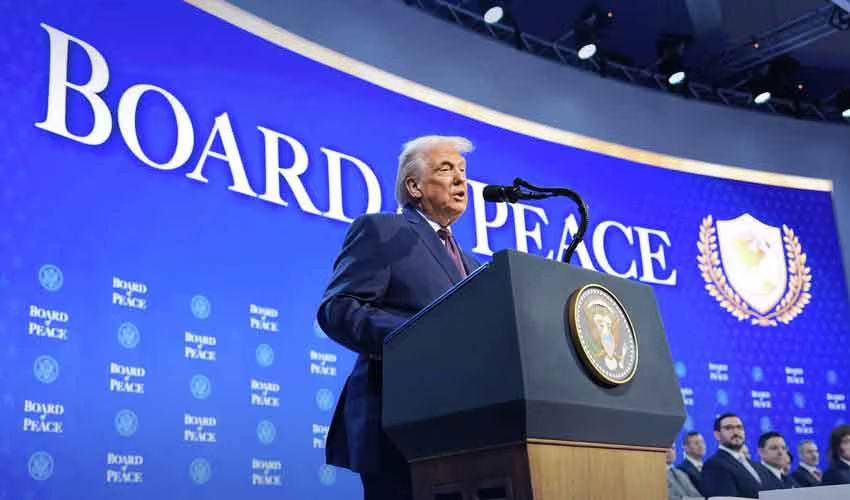
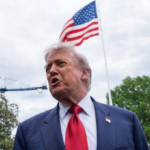
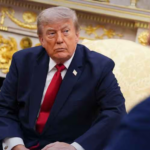
Trump later told reporters that he had rejected the proposal.
Iran Offers Seven-Day Roadmap
Araghchi said the Iranian proposal was designed around a short, defined timetable.
According to Iranian officials, the plan would require the United States to lift its naval blockade of Iranian ports, ease sanctions affecting Iran’s oil exports and allow access to frozen Iranian assets.
The proposal reportedly includes the release of at least $12 billion in frozen Iranian assets, along with a halt to hostilities across the region.
Iran has also called for the cessation of fighting in Lebanon as part of the proposed arrangement. Tehran has indicated that once the required US measures were implemented, the Strait of Hormuz could return to normal maritime operations on the seventh day.
Iranian President Masoud Pezeshkian said the process could begin immediately if Washington accepted the proposal.
Strait of Hormuz at Center of Dispute
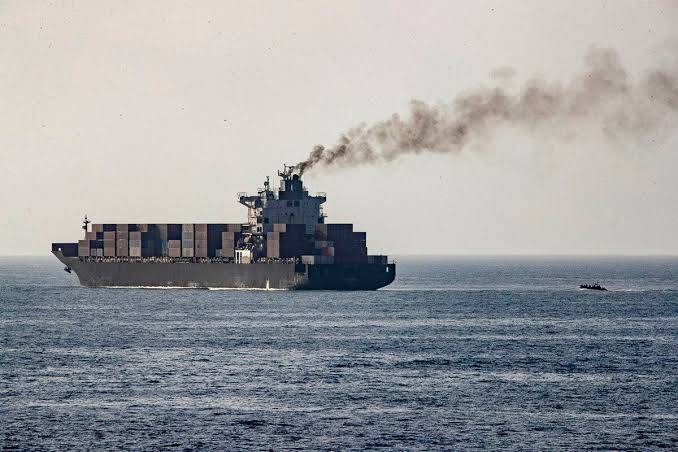
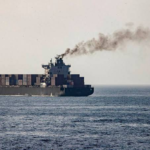
The Strait of Hormuz has become a central issue in the US-Iran confrontation because of its importance to global energy transportation.
The waterway connects the Persian Gulf with the Gulf of Oman and is one of the world’s most important routes for oil and gas shipments.
Iran has maintained that it has sovereign and administrative rights over the waterway and has imposed conditions on certain vessels seeking passage.
The United States, meanwhile, has sought to restore unrestricted commercial navigation while maintaining economic and military pressure on Tehran.
The competing positions have made Hormuz one of the most difficult issues in negotiations between the two countries.
Trump Skeptical of Tehran’s Proposal
The Wall Street Journal reported, citing US officials familiar with the matter, that Trump rejected the seven-day proposal because he remained skeptical that Iran would fulfill the commitments required under such an agreement.
The newspaper also reported that Trump has told aides he expects US bombing of Iran to resume after the November midterm elections. The report does not establish the precise timing or scale of any potential future military operation.
Trump publicly confirmed that he rejected the proposal on Saturday.
The president has continued to argue that Iran is under significant pressure and has suggested that Tehran is seeking a deal from a weakened position.
Trump also posted a graphic on Truth Social showing the Strait of Hormuz labeled “Trump Strait,” adding another political dimension to the dispute over the strategic waterway.
Earlier Agreement Failed
The latest proposal follows an earlier US-Iran memorandum of understanding that was intended to create a pathway toward ending the conflict, reopening Hormuz and restarting negotiations over Iran’s nuclear program.
That understanding later collapsed, leaving both sides with competing demands and no lasting ceasefire.
Iran has continued to push for the removal of the US blockade and economic restrictions, while Washington has maintained that Tehran must accept significant limitations on its nuclear activities.
The dispute has also expanded beyond the immediate US-Iran confrontation, with fighting and tensions involving other regional actors adding further complications to diplomacy.
Iranian officials have indicated that ending hostilities involving Yemen is among the issues Tehran wants addressed.
Global Energy Markets Watching Hormuz
Any prolonged closure or restricted passage through the Strait of Hormuz has implications far beyond the United States and Iran.
The waterway is a critical route for international oil shipments, meaning disruptions can influence crude prices, tanker movements, insurance costs and fuel markets.
Recent market activity has already shown sensitivity to developments surrounding the strait. Oil prices fell earlier in the week after Iran indicated it could reopen the waterway if Washington eased military and economic pressure.
For diplomats involved in the negotiations, the challenge remains finding a formula that allows Iran to restore navigation through Hormuz while addressing US demands over Iran’s nuclear program, regional activities and security commitments.