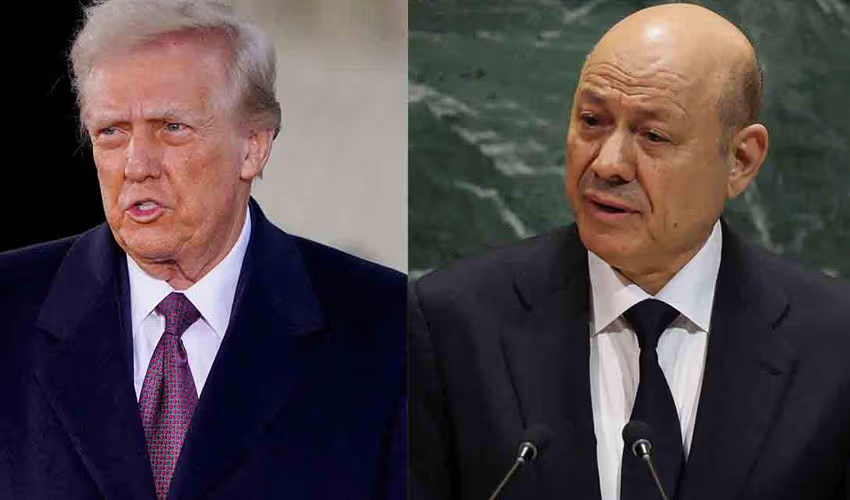

US and Iranian officials are discussing a possible phased agreement that could reopen the Strait of Hormuz and ease Washington’s economic restrictions on Tehran, according to people familiar with the negotiations in New York.
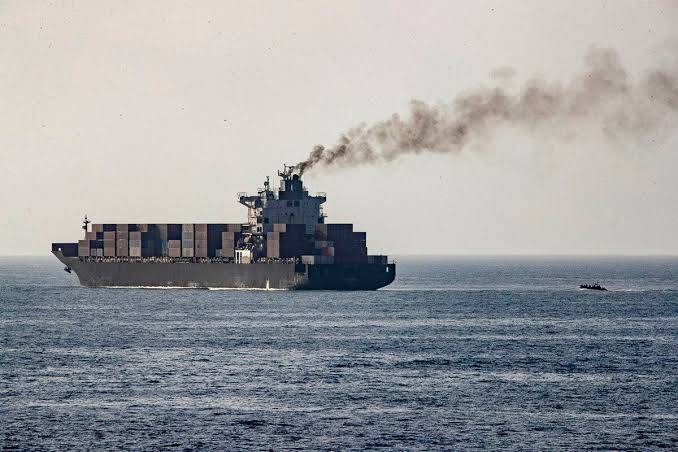
The strategic waterway has emerged as one of the central issues in efforts to reduce tensions between the two countries. Iran is seeking relief from the US economic blockade, while Washington wants commercial shipping to regain access to the major global energy route.
Hormuz Becomes Key Point in Negotiations
Iranian officials have reportedly proposed handling the dispute in stages rather than attempting to resolve every issue through a single agreement.
Under the concept being discussed, Iran would allow navigation through the Strait of Hormuz while the United States would lift or reduce its economic blockade. Tehran could also seek access to frozen Iranian assets as part of a broader arrangement.
A senior Iranian official said a phased process could begin with reopening the waterway and ending the blockade.
The proposal reflects the difficult balance facing both governments. Washington has significant economic leverage through sanctions and restrictions, while Tehran controls access to one of the world’s most important maritime routes for energy shipments.
Neither side appears willing to give up its leverage without receiving a corresponding commitment from the other.
Trump Links Possible Deal to Midterm Elections
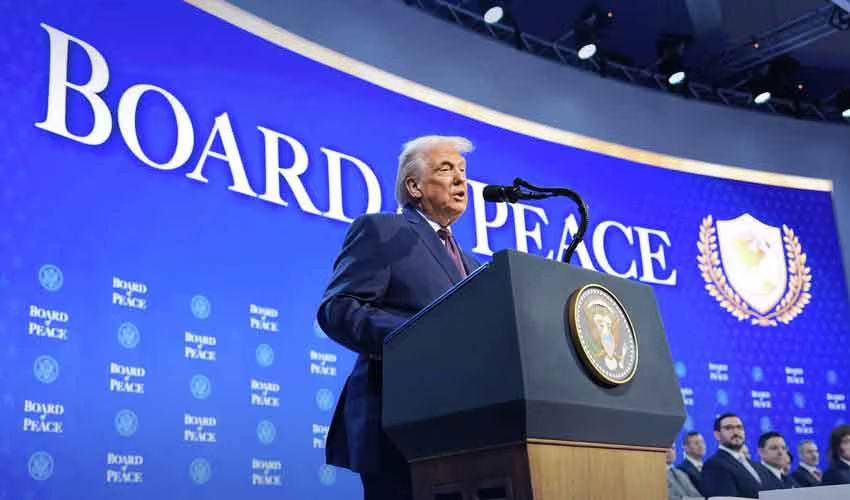
President Donald Trump has previously indicated that a US-Iran agreement could be reached after the US midterm elections scheduled for November 3.
A senior European official familiar with the diplomatic discussions said Iran has presented a lengthy list of demands.
The White House has maintained that Trump remains willing to communicate with Tehran under appropriate conditions but does not believe the United States needs to negotiate from a position of weakness.
A White House official described the US as being in a strong position because of its ability to maintain pressure on Iran and influence access to the Strait of Hormuz.
The administration has also argued that sanctions and the economic blockade have placed substantial pressure on Iran’s economy.
Economic Pressure Complicates Tehran’s Position
US sanctions have targeted Iranian oil exports and other sources of foreign currency, while Washington has continued expanding restrictions on organizations and businesses linked to Tehran.
The pressure has created an economic incentive for Iran to seek relief, but Iranian officials have also indicated that they are preparing for the possibility that diplomatic efforts could fail.
One senior Iranian official said Tehran remains prepared for renewed confrontation and accused Washington of using economic pressure and the threat of military action as negotiating tools.
Regional sources said Iran may be willing to separate its demand for transit payments through Hormuz from the main agreement. Instead, that issue could potentially be addressed in a separate document.
Gulf states have opposed the idea of Iran receiving transit fees for ships using the waterway.
Gulf States Seek Freedom of Navigation
The negotiations are being closely watched by Gulf countries that depend heavily on the Strait of Hormuz for energy exports and imports.
Regional officials said Gulf leaders have rejected any arrangement that would give Iran control over commercial navigation in a way that could restrict shipping.
At the same time, Gulf governments have pressed Washington and Tehran to pursue de-escalation and diplomacy rather than another military confrontation.
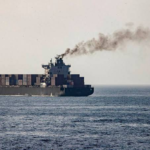
The Strait of Hormuz connects the Persian Gulf with the Gulf of Oman and serves as a critical route for international energy markets.
Any prolonged disruption could affect crude oil transportation, tanker costs and fuel prices in countries that depend on Middle Eastern energy supplies.
Questions Over Washington’s Long-Term Strategy
The talks have also raised questions about what Washington’s strategy would look like if negotiations fail.
Gulf leaders meeting with Trump in New York reportedly sought greater clarity about the administration’s plans beyond the midterm elections, including whether the United States could resume military action if Tehran refuses to return to negotiations.
Ebtessam al-Ketbi, president of the Emirates Policy Center, said uncertainty surrounding Washington’s longer-term objectives is influencing calculations across the region.
Iran, meanwhile, has been using its position around the Strait of Hormuz and the Bab el-Mandeb Strait as important elements of its regional strategy, according to regional analysts.
Former US officials and Middle East specialists have offered different assessments of the prospects for an agreement. Former US negotiator Dennis Ross estimated a 30% chance of a deal before the midterms, while other analysts have warned that economic pressure could either encourage negotiations or increase the risk of escalation.
A Delicate Diplomatic Window
People familiar with the discussions say the negotiations remain difficult because the same leverage that brought both sides back to diplomacy could prevent compromise.
Washington wants economic pressure to produce concessions from Tehran, while Iranian officials want sanctions and the blockade eased before making major concessions.
The central issue remains the Strait of Hormuz. A Western official familiar with the talks described reopening the waterway as the core objective of the current diplomatic effort.
For Iran, economic relief is a major priority. For the United States, restoring unrestricted navigation is central to reducing the disruption to international shipping and energy markets. Gulf governments are seeking an arrangement that prevents the strategic waterway from becoming a recurring source of regional confrontation.