

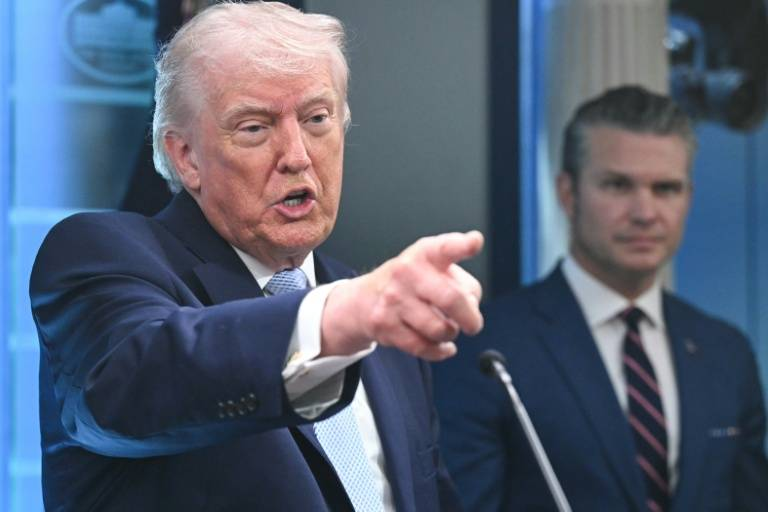
Trump Faces War Powers Deadline as Congressional Tension Escalates
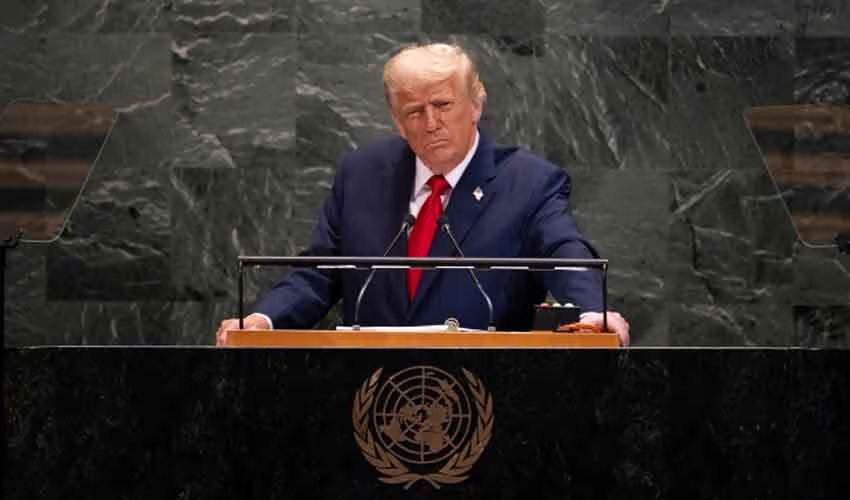
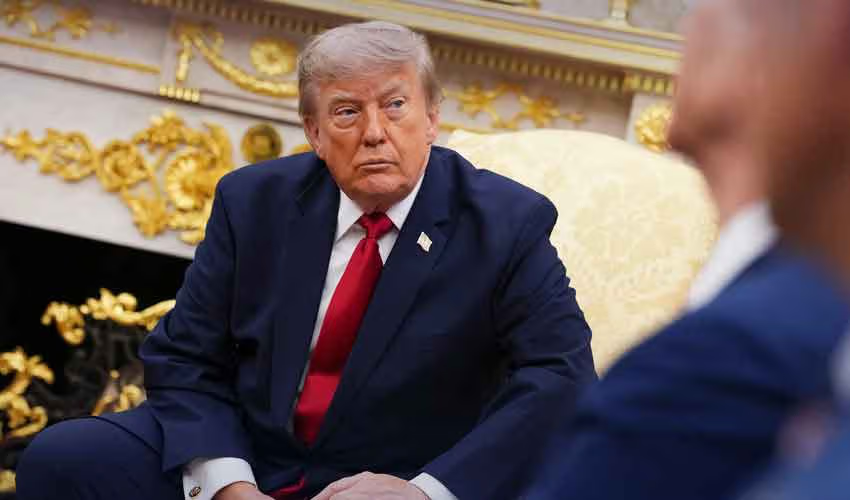
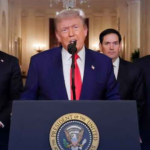
A midnight deadline has placed U.S. President Donald Trump at the center of a growing constitutional showdown with Congress over military operations against Iran, as lawmakers question the legality of the ongoing conflict under the War Powers Act.
The 60-day limit, triggered after Trump notified Congress of strikes in early March, requires the administration to either begin winding down military activity or secure formal congressional authorization to continue hostilities.
With no such approval currently in place, the situation has intensified debate in Washington over presidential authority versus legislative oversight in matters of war.
Constitutional Clash Over Presidential War Authority
Democratic leaders argue that the administration has already exceeded its legal authority.
Senate Majority Leader Chuck Schumer warned that the deadline marks a clear violation of the War Powers Act if military operations continue without congressional approval.
“After we cross that 60-day threshold, there can be no more doubts that he’s violating the War Powers Act,” Schumer said, urging bipartisan action to end the conflict.
The War Powers Resolution, passed in the aftermath of the Vietnam War, was designed to limit unilateral military action by requiring presidents to obtain congressional authorization within a defined timeframe.
White House Disputes Interpretation of the Law
The Trump administration, however, rejects claims that it is in violation of the statute.
A senior administration official stated that the 60-day clock should be considered paused due to a ceasefire agreement reached last month, arguing that active hostilities between the United States and Iran have temporarily ended.
Defense Secretary Pete Hegseth reinforced this position during congressional briefings, stating that the administration believes the legal timeline is not continuously active during a ceasefire period.
Democrats and several legal analysts strongly dispute that interpretation, arguing that the law contains no explicit provision allowing such a pause.
Senate Votes Fail to Restrict Military Authority
Efforts in the Senate to limit Trump’s war powers have so far failed to gain sufficient support.
Lawmakers rejected a resolution aimed at curbing presidential authority, marking another setback for Democrats seeking to force an end to U.S. military involvement.
Even if such measures were to pass the Senate, they would still face significant obstacles in the Republican-controlled House of Representatives and could ultimately be vetoed by the president.
Growing Unease Within Republican Party
While many Republicans continue to support Trump’s approach, signs of concern are emerging within the party over the duration and scope of the conflict.
Some lawmakers have warned that continued military action without a clear strategy or formal authorization could undermine constitutional balance and public trust.
Utah Senator John Curtis emphasized that any sustained military campaign must comply with legal requirements, suggesting that Congress must play a more active role in decision-making.
Political Stakes Rise as War Continues
Democratic Senator Adam Schiff criticized the ongoing operation, arguing that the human and financial costs of the conflict are already too high.
He pointed to the deaths of U.S. service members and rising expenditures, framing the situation as evidence of the need for congressional intervention.
The debate comes at a time of heightened political division in Washington, with foreign policy once again emerging as a central issue in domestic politics.
War Powers Act Rarely Enforced in Practice
Legal experts note that the War Powers Act has historically struggled to constrain presidential military action, with enforcement often dependent on political rather than judicial mechanisms.
Courts have generally avoided intervening in such disputes, leaving Congress and the executive branch to resolve disagreements through legislative or political pressure.
As a result, despite the formal deadline, the practical impact on military operations remains uncertain.
Broader Implications for US Foreign Policy
The dispute highlights ongoing tensions over the balance of power in U.S. foreign policy decision-making, particularly during periods of sustained military engagement abroad.
With American troops still deployed in the Middle East and regional instability continuing, the outcome of the congressional debate could shape future limits on presidential authority in wartime scenarios.