

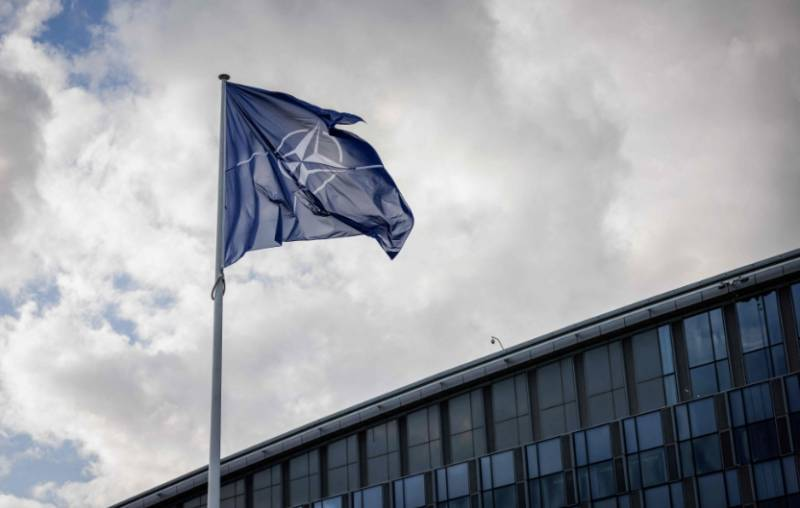
Europe Responds After Trump’s Pressure on Defense Spending, Says NATO Chief
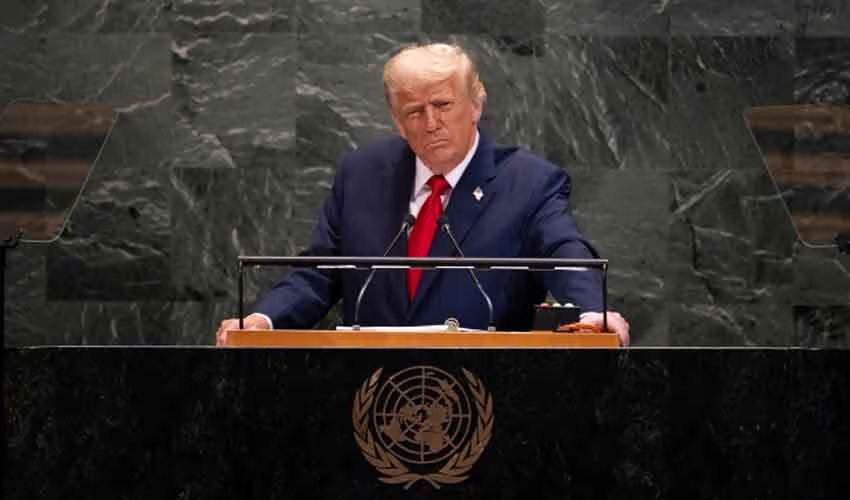
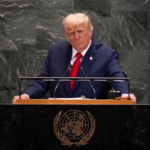
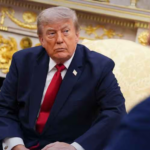
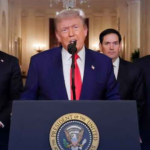
NATO Secretary-General Mark Rutte said European allies have clearly received U.S. President Donald Trump’s message on defense responsibility, following renewed tensions over the Iran war and Washington’s decision to withdraw 5,000 troops from Germany.
Speaking ahead of high-level discussions with European leaders in Armenia, Rutte said European governments are now “stepping up” their defense commitments in response to growing geopolitical pressure and shifting U.S. expectations.
“European leaders have gotten the message. They heard the message loud and clear,” Rutte stated, acknowledging what he described as “disappointment on the U.S. side” regarding Europe’s limited involvement in the Middle East conflict.
US Troop Withdrawal Sparks Transatlantic Debate
The Pentagon’s decision to reduce troop presence in Germany has added new strain to already fragile transatlantic relations.
While Washington has not directly linked the move to political disagreements over the Iran conflict, European officials have raised concerns about timing, especially amid ongoing global security crises.
EU foreign policy chief Kaja Kallas described the announcement as unexpected, though she noted that discussions about reducing U.S. troop levels in Europe have been ongoing for years.
“The timing of this announcement comes as a surprise,” Kallas said, while emphasizing that it reinforces the need for Europe to strengthen its own defense capacity within NATO.
Europe Pushes for Stronger Military Independence
European leaders have increasingly emphasized the need to reduce reliance on U.S. military support, particularly as global conflicts intensify in both Ukraine and the Middle East.
French President Emmanuel Macron reiterated calls for strategic autonomy, stating that Europe must take greater responsibility for its own security.
“Europeans are taking their destiny into their own hands,” Macron said, highlighting increased defense spending and joint military planning among EU member states.
EU Commission President Ursula von der Leyen echoed this position, urging member nations to expand defense capabilities and improve readiness for potential future threats.
“We have to step up our military capabilities to be able to defend and protect ourselves,” she said.
NATO Faces Pressure Amid Multiple Global Conflicts
The NATO alliance is currently navigating a complex security environment shaped by two major ongoing conflicts — Russia’s war in Ukraine and escalating tensions in the Middle East linked to the Iran crisis.
Rutte emphasized that despite political disagreements, NATO remains unified and adaptable, with member states increasingly contributing through bilateral defense agreements and logistical cooperation.
He noted that several European countries are expanding military infrastructure support and enhancing coordination with allied forces to improve operational readiness.
Strained US-Europe Relations Over War Participation
The latest developments highlight growing differences between Washington and European capitals over the extent of military involvement in overseas conflicts.
The United States has pressed allies to take a more active role in global security operations, while several European governments have shown reluctance to directly participate in the Iran conflict.
This divide has become more visible as the U.S. continues to reassess its military footprint in Europe and elsewhere.
Strategic Shift Toward European Defense Autonomy
Defense analysts say the current situation may accelerate Europe’s long-term push toward greater strategic independence within NATO.
Increased defense spending, joint procurement programs, and coordinated military planning are being viewed as essential steps toward reducing reliance on U.S. military leadership.
However, officials also stress that American forces remain central to NATO’s deterrence strategy and that cooperation remains critical for global stability.
Rising Geopolitical Uncertainty Shapes NATO Agenda
With ongoing instability in both Eastern Europe and the Middle East, NATO leaders are expected to focus heavily on force readiness, resource allocation, and alliance cohesion in upcoming meetings.
The shifting balance of responsibility between the U.S. and Europe is likely to remain a defining issue for the alliance as it navigates an increasingly complex global security landscape.