
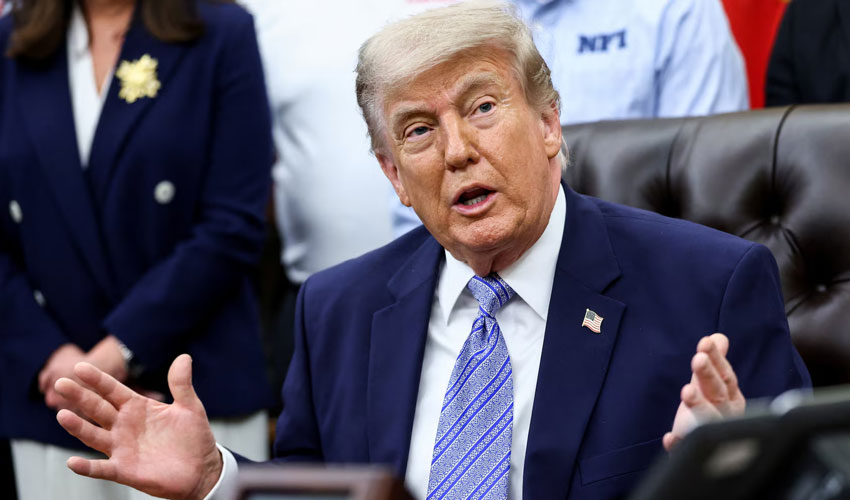
The future of the fragile US-Iran ceasefire could be decided within days after President Donald Trump announced that he is nearing a final decision on a proposal aimed at extending the current truce.
Speaking Friday, Trump said he would review the latest framework during a high-level meeting with national security officials in the White House Situation Room. The proposal under consideration would reportedly extend the ceasefire reached in early April for another 60 days, giving negotiators additional time to pursue a broader peace agreement.
A White House official confirmed that senior administration figures participated in a two-hour meeting but declined to reveal whether the president had formally approved the plan.
According to the administration, any agreement must satisfy Washington’s core security requirements.
“President Trump will only support a deal that protects American interests,” a White House official said, reiterating the administration’s long-standing position that Iran must never acquire a nuclear weapon.
Trump Sets Conditions for Any Agreement
While signaling optimism about diplomacy, Trump also outlined several conditions he believes are necessary for a lasting settlement.
Among the key demands is the immediate reopening of the Strait of Hormuz, one of the world’s most strategically important shipping routes. The waterway serves as a critical passage for global oil and natural gas exports.
Trump said shipping traffic should move freely through the strait without restrictions, tolls, or disruptions.
He also repeated his demand that Iran permanently abandon any capability to develop nuclear weapons and suggested that nuclear materials hidden underground should be removed and secured.
The remarks highlighted ongoing differences between Washington and Tehran despite reports of progress in negotiations.
Iran Pushes Back on US Demands
Iranian officials responded cautiously to Trump’s comments.
A senior Iranian source indicated that discussions are advancing and that a potential agreement is close, although final approval has not yet been granted by Tehran.
However, Iranian officials rejected the notion that nuclear concessions are part of the current proposal.
Foreign Ministry spokesman Esmaeil Baghaei stated that decisions regarding navigation and security in the Strait of Hormuz should remain under the authority of Iran and neighboring Oman.
Iranian media also disputed Trump’s characterization of the negotiations, describing some of his statements as political messaging rather than reflections of the actual talks.
Sanctions, Frozen Assets Remain Key Issues
Beyond shipping access and security concerns, sanctions relief remains one of the most significant sticking points.
Reports from Iranian media suggest discussions have included the possible release of billions of dollars in frozen Iranian assets. However, Trump said no financial transfers would occur “until further notice,” signaling that economic concessions remain under review.
US Treasury officials have indicated that any easing of economic restrictions would likely occur gradually and be tied to Iranian compliance.
Global Markets React to Diplomacy Signals
Financial markets responded positively to reports that negotiations may be moving forward.
Oil prices declined while global stock markets gained ground as investors welcomed the possibility of reduced tensions in the Middle East.
The conflict, which began earlier this year, has disrupted energy markets, increased shipping costs, and raised concerns about global economic stability.
With congressional elections approaching and fuel prices remaining a major issue for American consumers, the outcome of the negotiations could carry significant political and economic implications both in the United States and internationally.