
Trump Pushes for Restraint as Iran-Israel Tensions Surge
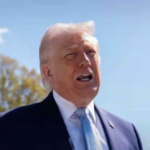
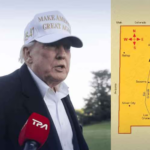
US President Donald Trump has called on Israel to avoid retaliating after recent Iranian missile strikes, warning that further escalation could jeopardize what he says is a “very close” agreement between Washington and Tehran.
Trump stressed that the United States is in advanced stages of negotiations with Iran and urged both sides in the region to step back from continued military action.
He said the latest Iranian missile launches should be treated as the end of the cycle rather than the beginning of another round of escalation, stating that Tehran should now “return to the negotiating table.”
“Very Close” Nuclear Deal Before Fresh Violence
According to Trump, a final agreement between Washington and Iran was nearing completion before the latest wave of strikes disrupted the diplomatic timeline.
“We are very close to a final deal with Iran,” he said, adding that discussions had reached a point where a formal signing could have happened within days.
He insisted that the renewed violence should not derail negotiations and reaffirmed that diplomatic channels remain open despite rising tensions across the region.
Trump Reportedly Warns Netanyahu Against Retaliation
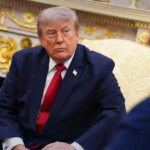
Reports suggest Trump directly spoke with Israeli Prime Minister Benjamin Netanyahu on Sunday, urging him to avoid any immediate military response.
During the call, Trump allegedly warned that the US is close to securing what he described as a major diplomatic breakthrough with Iran and that further Israeli strikes could undermine that progress.
A senior US official indicated that Washington did not give prior approval for earlier Israeli actions in Beirut, and that Netanyahu initially resisted but ultimately signaled limited acceptance of restraint.
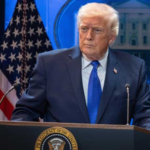
Trump, however, made clear that final decisions rest with Washington, stating: “I call the shots. I call all the shots.”
Escalation Triggered by Beirut and Missile Exchanges
The latest cycle of violence began after an Israeli strike on Beirut’s southern suburbs, which was followed by an Iranian missile barrage described by Tehran’s Islamic Revolutionary Guard Corps as a “warning.”
Iran’s retaliation marked the first direct missile strike on Israel since an earlier ceasefire framework in April, which had temporarily reduced large-scale hostilities between Iran, Israel, and the United States.
Trump criticized the Beirut strike, saying he was “not happy about it,” and warned that continued exchanges risk undoing months of diplomatic effort.
Nuclear Demands Remain at the Center of Talks
At the core of the negotiations, Trump reiterated that Iran must not be allowed to obtain nuclear weapons under any circumstances.
“They cannot have a nuclear weapon,” he said, emphasizing that even a minimal chance of Iran acquiring one would be unacceptable to Washington.
He added that discussions are not limited to development alone but also include preventing Iran from purchasing or acquiring nuclear capabilities through indirect means.
Military Option Still on the Table
While stressing preference for diplomacy, Trump warned that the United States retains military options if negotiations collapse.
He said a deal remains the preferred outcome, but added that failure could lead to “very severe” consequences for Iran’s military infrastructure.
In strong language, Trump suggested that US forces could be used to secure or destroy Iran’s enriched uranium stockpiles if required, either directly or through targeted operations.
Regional Deployment and Sanctions Policy
Trump confirmed that US troops will remain stationed in the region throughout the negotiation process to maintain stability and deter further escalation.
He also stated that sanctions against Iran will remain fully in place until a formal agreement is reached and implemented.
According to Trump, any economic relief would only come after Iran demonstrates compliance and changes behavior under a verified deal structure.
Lebanon Front Raises Wider Conflict Concerns
The recent exchange of strikes has also raised concerns that Lebanon could become a broader flashpoint in the conflict.
Iranian officials have warned that further Israeli actions could trigger expanded regional retaliation, while analysts caution that overlapping fronts could complicate any diplomatic breakthrough.
The Beirut strike and subsequent missile response have intensified fears that the conflict could spread beyond a bilateral confrontation into a wider regional war involving multiple actors.
Talks Continue Despite Rising Military Pressure
Despite the renewed violence, Trump insisted that diplomatic efforts remain active and that the missile strikes will not determine the outcome of negotiations.
He maintained that Washington remains committed to reaching an agreement and preventing further escalation between Israel and Iran, even as tensions continue to rise across the Middle East.
Negotiators are expected to remain in contact in the coming days as efforts continue to stabilize the situation and prevent another cycle of retaliatory strikes.