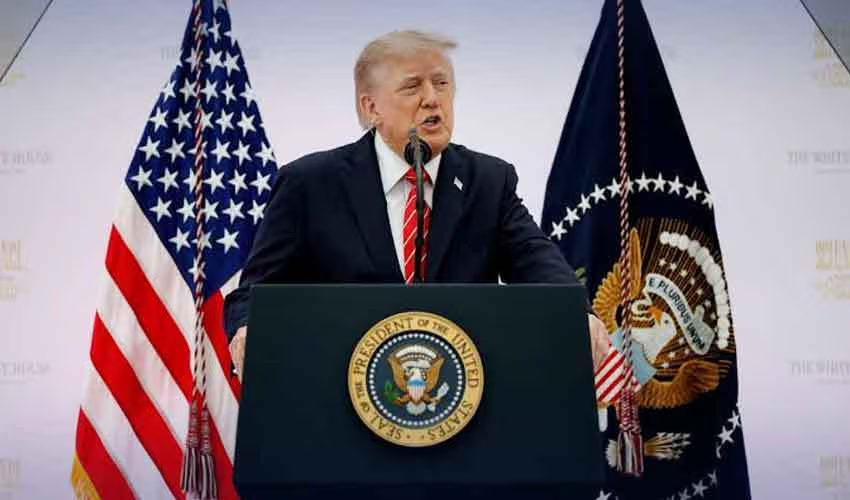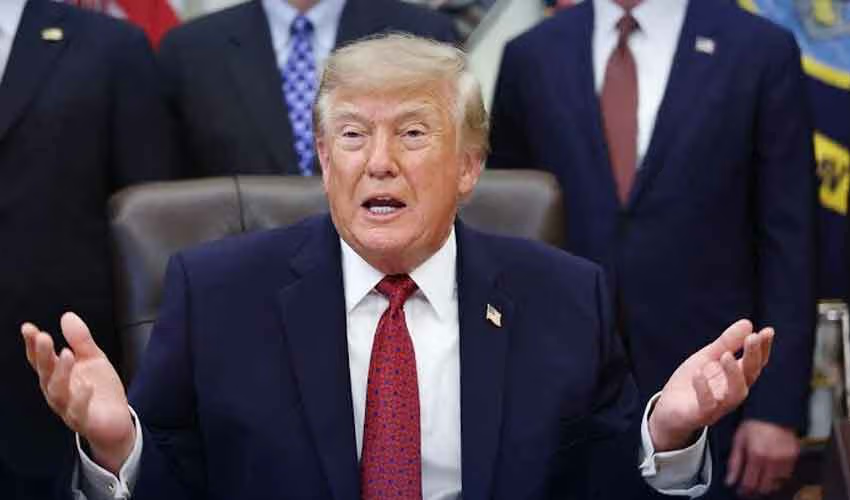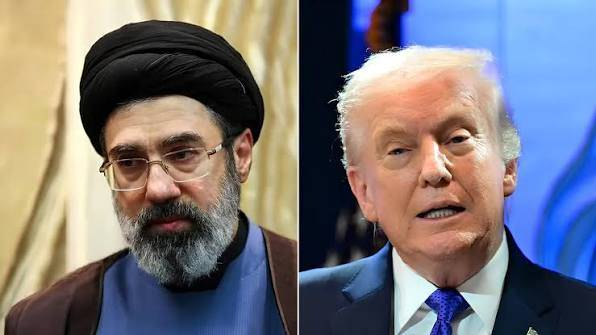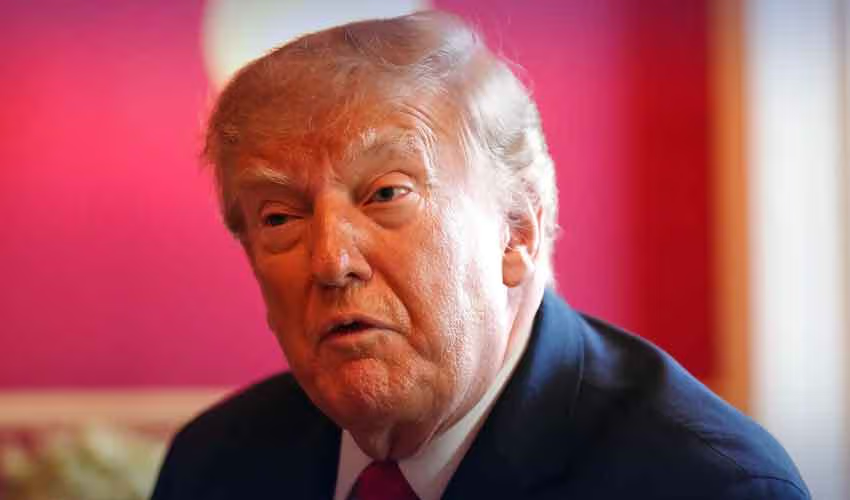
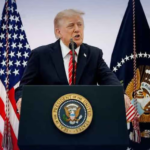
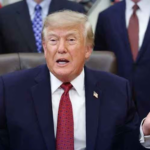
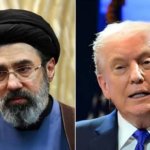
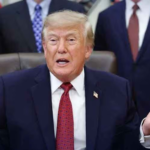
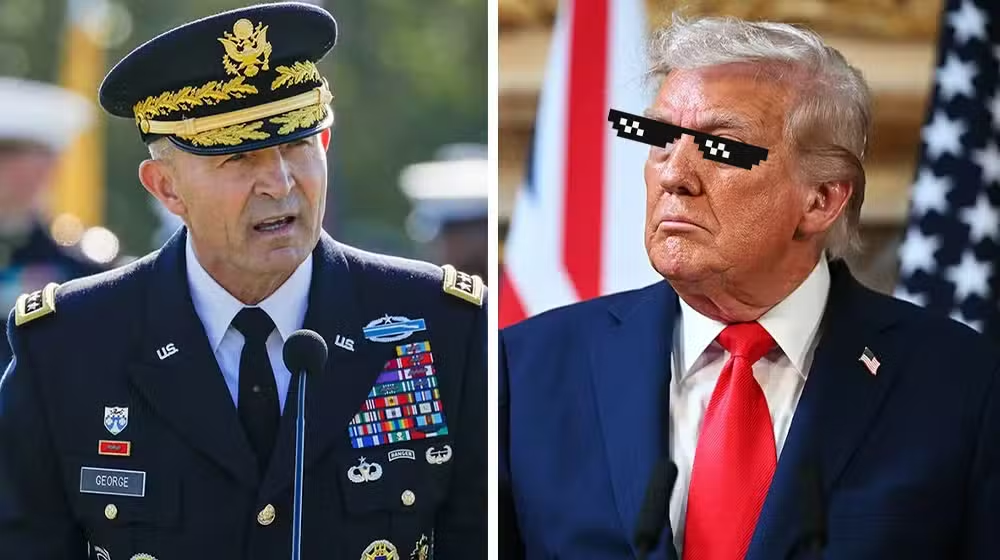
Washington, D.C. – In a rare and dramatic move, former US President Donald Trump has dismissed Army Chief of Staff Gen. Randy George along with two other senior generals, citing failures in military strategy during the ongoing Iran war in the Gulf.
The decision, announced abruptly, came without a detailed public explanation, raising questions about internal disagreements within the Pentagon and the broader military leadership. Observers note that removing a service chief in the midst of an active conflict is highly unusual and typically signals significant discord over operational strategy.
Seeking Tighter Military Alignment
Sources indicate that Trump is pushing for a more tightly coordinated command structure as the United States prepares for potentially expanded operations against Iran. By replacing top generals, the former president appears to be emphasizing his desire for military leadership that closely aligns with his strategic priorities in the Gulf.
The move follows a series of high-profile US military initiatives, including operations targeting Iran’s naval forces and missile stockpiles, as well as ongoing diplomatic and negotiation efforts with Tehran. Analysts suggest that leadership changes at this level could accelerate decision-making and reinforce the administration’s objectives in the region.
Impact on US Military and Middle East Operations
The firing of senior officers may have immediate implications for US operations in the Gulf, where strategic coordination is crucial for maintaining pressure on Iran while managing risks to regional allies. Military experts warn that abrupt leadership changes can temporarily disrupt operational efficiency, but may also streamline command if new appointees are fully aligned with strategic goals.
Trump’s previous statements have emphasized aggressive measures to degrade Iranian military capabilities, alongside potential diplomatic leverage, signaling a dual-track approach of military pressure and negotiation. Removing generals perceived as insufficiently proactive may reflect a broader push to ensure that US strategy is executed without internal dissent.
Broader Implications
The leadership shakeup comes at a time of heightened global attention on the Gulf region, where disruptions in the Strait of Hormuz have already contributed to record oil price surges. With crude oil prices climbing and geopolitical tensions escalating, the US military’s ability to coordinate effectively has become a critical factor in both regional stability and global energy markets.
Observers are watching closely to see how new military leadership will influence ongoing operations, diplomatic negotiations, and the potential expansion of US efforts in the Middle East.