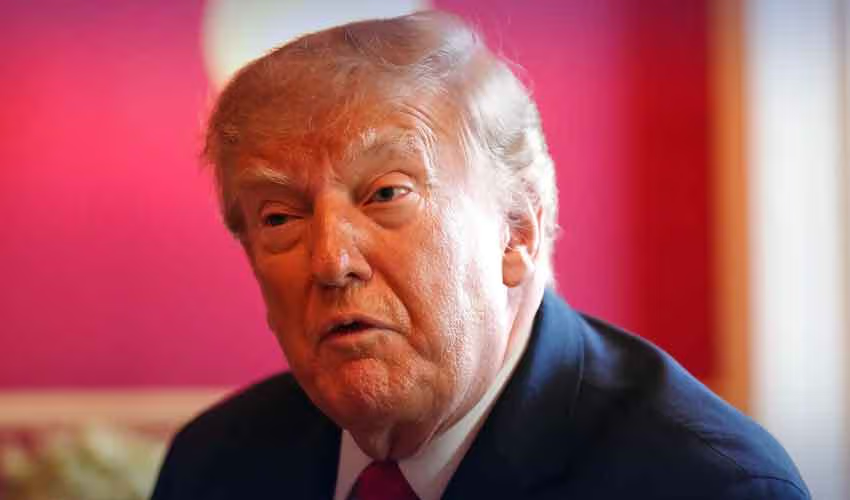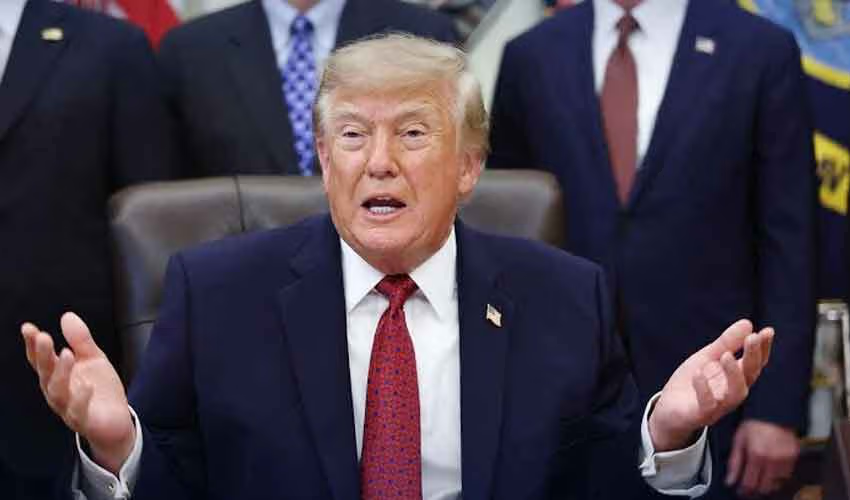
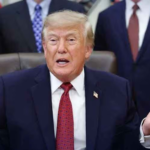
President Donald Trump has described Iran’s situation as increasingly unstable, pointing to what he called a severe economic crisis and uncertainty over the country’s political leadership.
Speaking about the latest developments, Trump said there was growing confusion over who was in charge in Tehran. He also claimed that Iran’s oil minister had resigned as pressure continued to build on the country.
Trump portrayed the situation as a major crisis affecting Iran’s economy, political structure and energy sector.
Trump Points to Iran’s Economic Problems
According to Trump, Iran is experiencing extremely high inflation and serious economic difficulties.
The president claimed that inflation in Iran had approached 300 percent, presenting the figure as evidence of the scale of the country’s economic problems.
Such a level of inflation, if sustained, would significantly reduce consumers’ purchasing power and make it increasingly difficult for households and businesses to plan spending, investment and production.
Trump also argued that Iran’s economic challenges were being compounded by disruptions connected to the ongoing conflict and pressure on the country’s energy infrastructure.
His comments come as international attention remains focused on Iran’s ability to maintain oil production and exports while facing heightened regional tensions.
Trump Says Iran’s Leadership Is Unclear
A major part of Trump’s remarks focused on uncertainty surrounding Iran’s government.
The president said he believed one of the most serious issues was that there was no clear understanding of who was currently in control of the country.
He also referred to another group within Iran’s leadership that he claimed had been eliminated, adding to his description of a political situation marked by uncertainty.
The comments come amid continuing questions about Iran’s political and military leadership as the conflict has placed additional pressure on the country’s institutions.
Trump did not provide detailed evidence during his remarks to support every claim about Iran’s leadership structure.
Oil Minister Reportedly Leaves Position
Trump also claimed that Iran’s oil minister had resigned.
The reported departure is significant because Iran’s energy sector is one of the most important parts of its economy. Oil exports provide a major source of government revenue, while disruptions to production and transportation can have consequences for both Iran and global energy markets.
Trump said the departing minister had described Iran as being left without an economy, oil or other important resources.
The comments underscore the importance of energy supplies as the conflict continues to affect the wider Middle East.
Millions of Barrels Move Through Strait of Hormuz
Despite the broader instability, Trump said significant volumes of oil were continuing to pass through the Strait of Hormuz.
The strategic waterway is one of the world’s most important energy shipping routes, connecting major Gulf oil producers with international markets.
Trump said millions of barrels had moved through the strait over several days. He further claimed that the volume of oil being transported had, at certain points, exceeded levels recorded before the war.
The continued movement of oil through Hormuz is being closely monitored by traders, governments and energy companies because any major disruption could affect global crude supplies and fuel prices.
The waterway has remained a central issue in discussions surrounding the regional conflict. Concerns over shipping security have contributed to volatility in crude markets, while continued exports have helped prevent an even larger supply shock.
Energy Markets Watch Iran Developments
Oil traders are closely watching developments in Iran because changes in production, exports or shipping routes could quickly affect global prices.
The Strait of Hormuz is particularly important because large volumes of crude oil and petroleum products traditionally pass through the narrow maritime route.
Any prolonged interruption could increase transportation costs, insurance premiums and crude prices. On the other hand, continued shipments can ease some pressure on international energy markets.
Trump has repeatedly linked developments in the Iran conflict to oil and gasoline prices in the United States, arguing that increased oil availability could eventually put downward pressure on fuel costs.
The latest remarks again placed Iran’s economic condition, political leadership and oil exports at the center of discussions about the broader Middle East crisis.