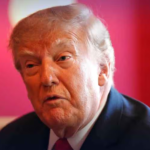
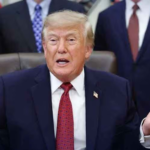
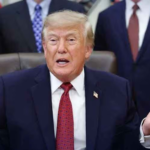
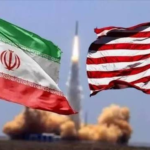
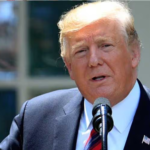
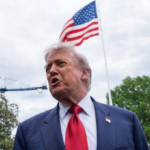
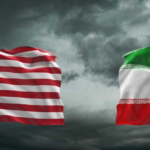
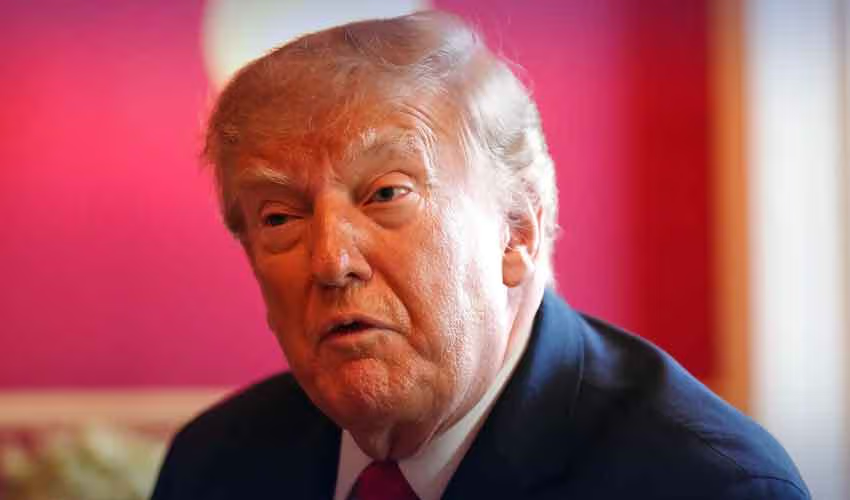
President Donald Trump says the United States remains open to direct negotiations with Iran and suggested that the conflict could be approaching its final stage, while predicting a significant decline in oil and gasoline prices once the fighting ends.
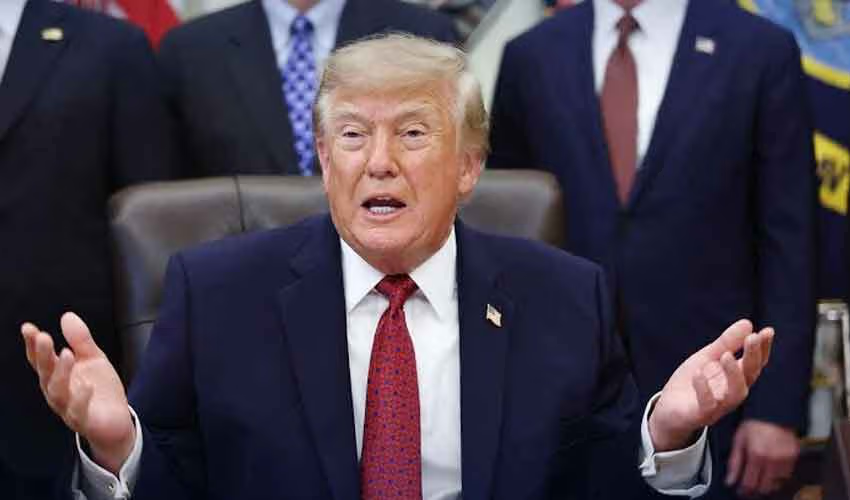
Speaking to reporters at the White House and later during an appearance in Nebraska, Trump said he was “always ready” to negotiate with Tehran. He also maintained that Iran would not be permitted to develop a nuclear weapon.
Trump’s latest comments come as diplomatic efforts surrounding the US-Iran conflict continue alongside military operations and heightened tensions around the Strait of Hormuz. Recent reports indicate that mediators have been working to bridge differences between Washington and Tehran, particularly over the strategic waterway and broader questions surrounding Iran’s nuclear program.
Trump Predicts a Rapid End to the Conflict
Trump described the war as being close to an end, saying at one point that the US conflict with Iran was “essentially almost over.”
The president has made similar predictions previously, including statements that the war could end shortly after the US midterm elections. However, the conflict has continued, with negotiations and military developments unfolding at the same time.
Trump also emphasized his position on Iran’s nuclear program, arguing that Tehran cannot be allowed to obtain a nuclear weapon.
He said the issue had effectively been decided and that Iran understood the US position. Trump has repeatedly made Iran’s nuclear capabilities a central issue in discussions about a possible end to the conflict.
Iran, meanwhile, has maintained that negotiations involve significant conditions and has focused much of the recent diplomatic discussion on the Strait of Hormuz. Iranian officials have also said the waterway will not fully reopen until specified conditions are met.
Strait of Hormuz Remains Critical to Oil Markets
The Strait of Hormuz continues to be one of the most important factors affecting global energy markets.
Trump said substantial quantities of oil were still moving through the strategic waterway and argued that the United States has access to abundant oil supplies. He attributed some of the pressure on fuel prices to limited refining capacity rather than a lack of crude oil.
The president characterized higher gasoline and diesel prices as a temporary effect of the conflict and predicted that energy costs would fall sharply once the fighting ends.
Oil markets have nevertheless remained volatile. Brent crude recently traded above $100 per barrel as investors continued to assess the security of Middle Eastern energy supplies and the possibility of further disruptions.
More recent trading has shown some easing in crude prices as Middle Eastern exports recover and the G7 moves to release emergency oil reserves. However, refined fuel supplies remain under pressure, particularly because damage to regional refineries has limited the availability of gasoline and diesel.
Trump Says Gasoline Could Fall Sharply
Trump linked the future direction of US fuel prices directly to the end of the Iran war.
He recalled gasoline prices of around $1.85 per gallon and predicted that prices could eventually fall below that level once the conflict is over.
The president described the current increase as a temporary economic cost associated with preventing Iran from obtaining a nuclear weapon.
The prediction comes as US consumers continue to face elevated fuel costs, with disruptions affecting crude transportation, refining operations and global petroleum markets.
Energy analysts have cautioned that restoring crude shipments alone may not immediately bring fuel prices back to previous levels because refined products such as diesel remain constrained. Recent reporting has indicated that crude shipments through Hormuz have recovered more quickly than refined-fuel flows.
US Maintains Pressure on Iran While Leaving Door Open to Talks
Trump’s comments indicate that Washington is continuing to combine military pressure with the possibility of diplomacy.
Regional mediators, including Qatar and Oman, have been involved in efforts to facilitate discussions between the United States and Iran. The negotiations have faced disagreements over the order in which military, economic and maritime measures should be addressed.
One major sticking point is the Strait of Hormuz, through which a substantial portion of the world’s oil trade normally passes. Any prolonged disruption to the waterway can quickly affect shipping costs, insurance rates and global energy prices.
Iran has recently said the strait will remain closed until conditions connected to an earlier agreement are fulfilled, while US officials have continued to seek progress toward a broader arrangement.
Trump Backs Continued Action Against Houthis
Trump also addressed the situation involving Yemen’s Houthis, expressing support for continued US operations against the Iran-aligned group.
The conflict in Yemen has become increasingly connected to wider regional tensions, particularly because attacks and security incidents around the Red Sea and Gulf region can affect international shipping and energy transportation.
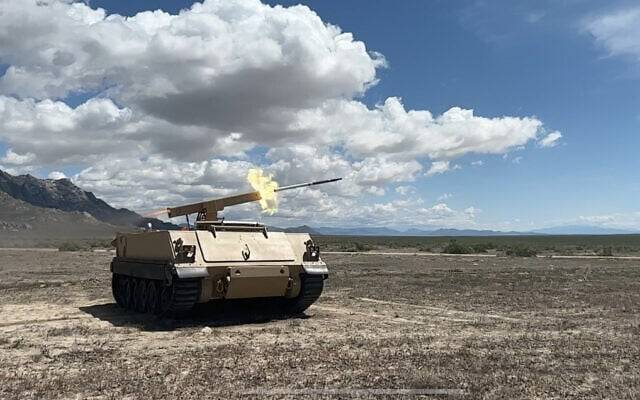
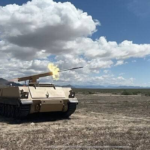
The administration has also been monitoring threats involving military facilities and weapons systems operated by regional partners. Trump said launchers had been moved from a British base after a specific threat emerged, although he did not provide detailed information about the nature of that threat.
Makkah Defense Pact and Regional Diplomacy
Trump was also asked about the Makkah defense pact and expressed support for diplomatic efforts.
His comments come as Gulf states and other regional governments navigate overlapping security concerns involving Iran, Yemen, Saudi Arabia and international shipping routes.
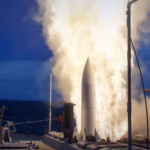
The combination of military deployments, air-defense preparations, energy disruptions and diplomatic negotiations has made the broader Middle East security situation closely connected to global oil markets and US foreign policy.
For now, Washington continues to leave the possibility of direct talks with Tehran open while Trump maintains that the conflict is nearing an end.