



Pakistan Emerges as Key Mediator as US–Iran Diplomatic Channel Moves Toward Islamabad Talks
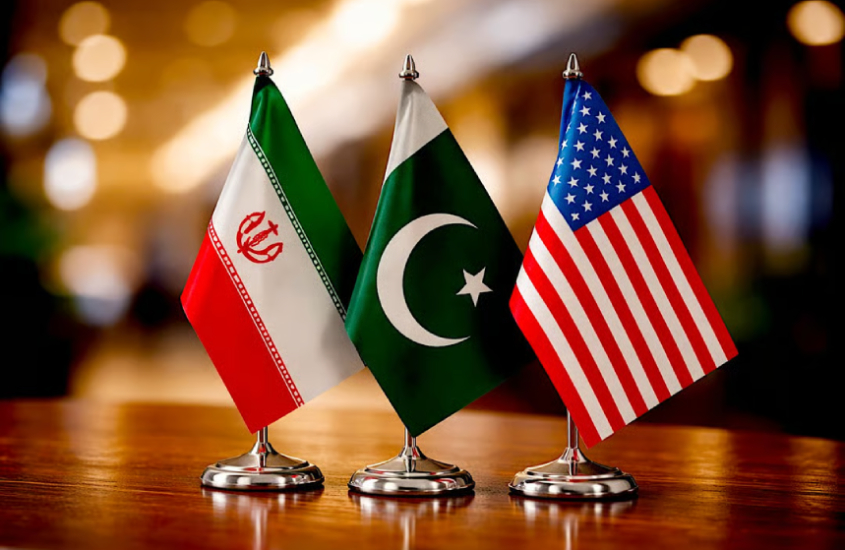
Backchannel diplomacy between the United States and Iran is reportedly gaining momentum, with negotiations expected to resume in Islamabad as early as next week, according to The Wall Street Journal.
The renewed diplomatic push is being facilitated through Pakistan’s mediation efforts, which officials say have played a central role in maintaining communication between Washington and Tehran amid ongoing regional tensions.
Sources suggest both sides are exploring a temporary framework that could allow formal negotiations aimed at ending the conflict and addressing long-standing nuclear disputes.
14-Point Framework Under Discussion for Temporary Agreement
According to the report, U.S. and Iranian officials are working with mediators on a one-page, 14-point memorandum of understanding (MoU) designed to structure upcoming negotiations.
The proposed framework would establish a one-month structured negotiation window, during which both sides would attempt to narrow differences on key issues.
If progress is made, the initial period could be extended by mutual agreement, allowing negotiations to continue toward a broader long-term settlement.
However, neither Washington nor Tehran has officially confirmed the contents or timeline of the draft proposal.
Nuclear Program and Sanctions Relief at Center of Negotiations
The most sensitive issues in the talks remain Iran’s nuclear program and the scope of international sanctions relief.
Discussions are expected to focus on:
- Limits on uranium enrichment activities
- Management of Iran’s existing enriched uranium stockpiles
- Possible transfer of highly enriched uranium to a third country
- Gradual easing of U.S. economic sanctions
While the United States is reportedly pushing for strict controls on enrichment, Iran continues to demand meaningful sanctions relief as a condition for any agreement.
The economic component remains one of the most difficult obstacles to reaching a final deal.
Strait of Hormuz Security Expected to Play Key Role
The Strait of Hormuz, a vital global energy shipping route, is also expected to feature prominently in negotiations.
According to sources, the draft framework includes proposals for Iran to reduce restrictions in the waterway in exchange for phased easing of U.S. maritime pressure over a 30-day period.
The Strait has been heavily impacted by ongoing tensions, with disruptions affecting global oil and gas transport routes and increasing energy market volatility.
Regional Conflict Continues to Influence Negotiations
The diplomatic effort comes against the backdrop of continued instability in the Middle East following strikes involving the United States and Israel earlier this year, which triggered Iranian retaliation and broader regional escalation.
A ceasefire was brokered in April through Pakistani mediation, but early attempts to secure a lasting agreement in Islamabad did not result in a breakthrough.
Although the truce was later extended, tensions in the region remain fragile, particularly around key maritime corridors.
Pakistan’s Role as Quiet Diplomatic Channel
Pakistan has emerged as a critical behind-the-scenes mediator, helping facilitate indirect communication between the two adversaries.
Officials describe Islamabad’s role as focused on maintaining dialogue continuity and preventing further escalation rather than directly shaping the content of negotiations.
The potential return of talks to Islamabad underscores Pakistan’s growing diplomatic relevance in regional security issues.
Military Activity Continues Amid Diplomatic Efforts
Despite diplomatic progress, military tensions have not fully subsided.
Reports indicate continued maritime security operations in and around the Strait of Hormuz, including recent strikes targeting vessels in the region, which have further heightened concerns about escalation.
The United States has also maintained naval pressure in the area, while Iran continues to assert control over key shipping routes.
Uncertain Path Ahead for US–Iran Deal
While the reported framework suggests cautious progress, major disagreements remain unresolved, particularly over nuclear restrictions, sanctions relief, and maritime security arrangements.
Analysts say the proposed 14-point structure represents an initial attempt to stabilize negotiations rather than a final peace agreement.
The coming days are expected to be critical in determining whether the diplomatic process can move from preliminary talks to a formal negotiation stage.