



Trump Says Iran War Could End “Quickly” as Diplomatic Talks Advance
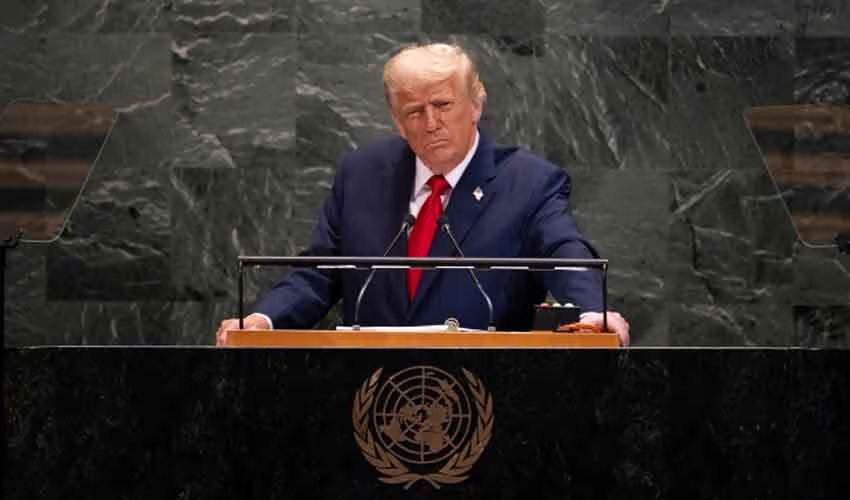
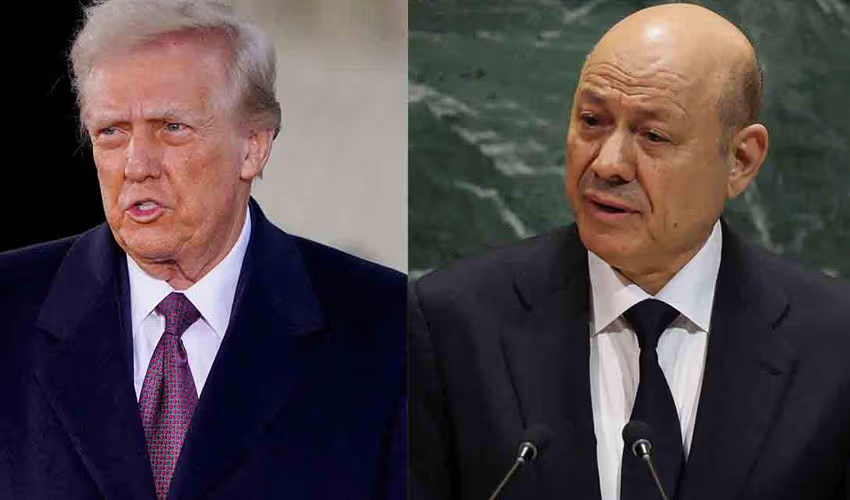
U.S. President Donald Trump has suggested that the ongoing conflict with Iran could reach a rapid conclusion, as Tehran reviews a U.S.-backed peace proposal aimed at formally ending the war.
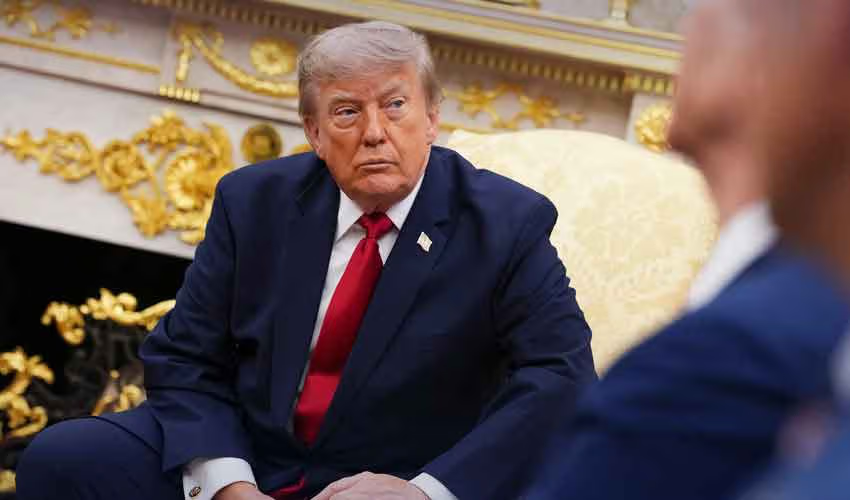
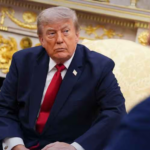
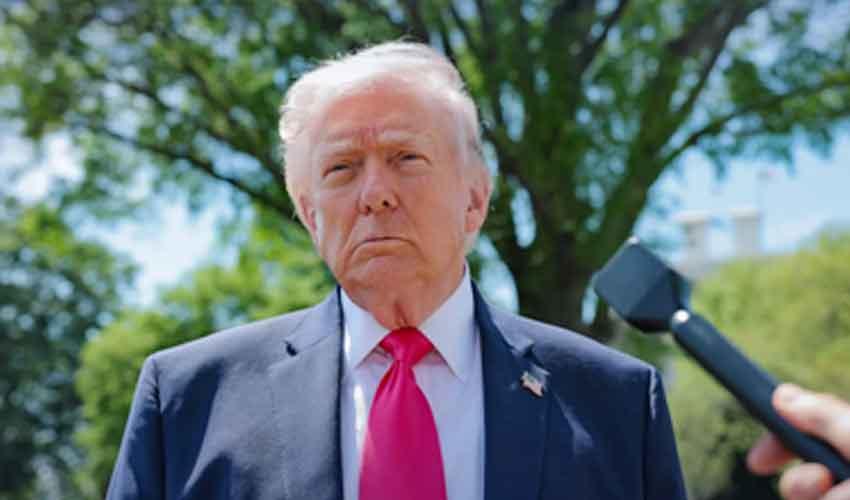
Speaking at the Oval Office, Trump said recent diplomatic engagement had been “very good,” and indicated that a breakthrough may be possible if negotiations continue on their current trajectory.
“They want to make a deal,” Trump said. “It’s very possible that we’ll make a deal.” He added that if progress holds, “it’ll be over quickly.”
The comments come amid renewed diplomatic activity, though officials on both sides acknowledge that major disagreements remain unresolved.
Iran Calls US Proposal a “Wish List,” Not a Final Agreement
Iranian officials have not accepted the proposal, with several lawmakers and policymakers dismissing it as unrealistic.
A spokesperson for Iran’s parliament foreign policy committee described the U.S. plan as more of an “American wish-list than a reality,” signaling resistance to key American demands.
Iranian parliamentary figures also publicly mocked reports suggesting that a breakthrough deal is imminent, reflecting skepticism within Tehran’s political establishment.
Despite this, Iran’s foreign ministry confirmed it is reviewing the proposal and preparing an official response.
One-Page Framework Under Discussion for Ceasefire Deal
According to mediation sources, the two sides are reportedly close to a one-page memorandum of understanding that would serve as the foundation for ending the conflict and launching broader negotiations.
The proposed framework is expected to include:
- A temporary halt to hostilities
- Preliminary steps toward reopening the Strait of Hormuz
- Initial discussions on sanctions relief
- A structured timeline for nuclear negotiations
If approved, the agreement would trigger a 30-day negotiation window for a comprehensive settlement.
However, officials caution that multiple versions of the document are still being reviewed, and no final consensus has been reached.
Nuclear Program and Sanctions Remain Core Disputes
The most significant unresolved issue remains Iran’s nuclear program, particularly the timeline and conditions under which uranium enrichment could resume.
Sources say proposals range from temporary restrictions lasting five to twenty years, while Iran insists on retaining long-term sovereignty over enrichment rights.
Other sticking points include:
- Lifting of U.S. economic sanctions
- Release of billions in frozen Iranian assets
- Control and monitoring of nuclear materials
- Regional security guarantees
Iran currently holds a stockpile of near-weapons-grade uranium, which remains a key concern for U.S. negotiators.
Strait of Hormuz Central to Negotiation Strategy
The Strait of Hormuz, one of the world’s most important energy transit routes, continues to be a critical bargaining point in the talks.
Before the conflict escalated, nearly one-fifth of global oil and gas shipments passed through the waterway.
Recent naval operations aimed at reopening the strait were temporarily paused by the United States amid signs of diplomatic progress and regional pressure from Gulf allies.
Reports also indicate that Saudi Arabia raised concerns over U.S. military use of regional bases during the operation, contributing to a temporary suspension of escort missions.
Pakistan and Mediators Play Quiet Diplomatic Role
Mediation efforts involving Pakistan and other regional actors have helped facilitate indirect communication between Washington and Tehran.
Officials describe the process as a “quiet convergence” toward de-escalation, though they emphasize that no formal agreement exists yet.
Negotiations may eventually shift to neutral venues such as Geneva or Islamabad if progress continues.
Trump Maintains Hard Line on Nuclear Weapons
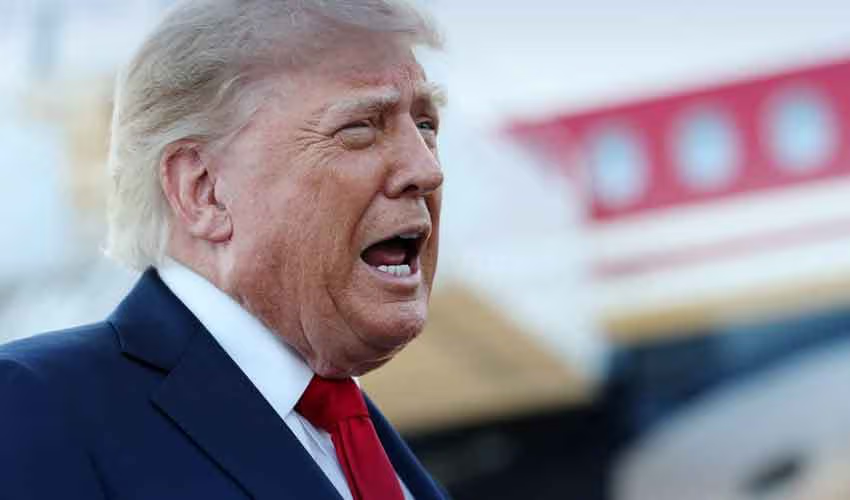
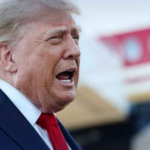
Despite optimism about negotiations, Trump reiterated that Iran must not be allowed to develop nuclear weapons under any circumstances.
He also confirmed that the United States will not permit Iran to retain highly enriched uranium materials, stating firmly: “We’re going to get it.”
The administration continues to frame the conflict as both a security and non-proliferation issue, while pushing for a rapid diplomatic resolution.
Uncertain Path Forward Despite Diplomatic Momentum
While both sides appear closer to structured dialogue than at any previous stage of the conflict, major gaps remain on core issues including enrichment rights, sanctions relief, and regional security arrangements.
Officials caution that although momentum has increased, the path toward a finalized agreement remains uncertain.