



Iran Confirms Review of US Proposals as Diplomatic Talks Enter Critical Phase
Iran’s Foreign Ministry has confirmed that negotiations with the United States have reached a sensitive stage, with Tehran currently reviewing a detailed set of American proposals aimed at ending the ongoing conflict and stabilizing maritime routes in the Gulf region.
Foreign Ministry spokesman Esmail Baghaei stated in a televised interview that Iran is carefully examining what he described as a 14-point U.S. peace framework, signaling cautious engagement despite continued military tensions.
According to multiple reports, discussions are now focused on a potential temporary agreement that could open the Strait of Hormuz and lay the groundwork for broader nuclear negotiations.
Trump Warns of Escalation if Deal Is Not Reached
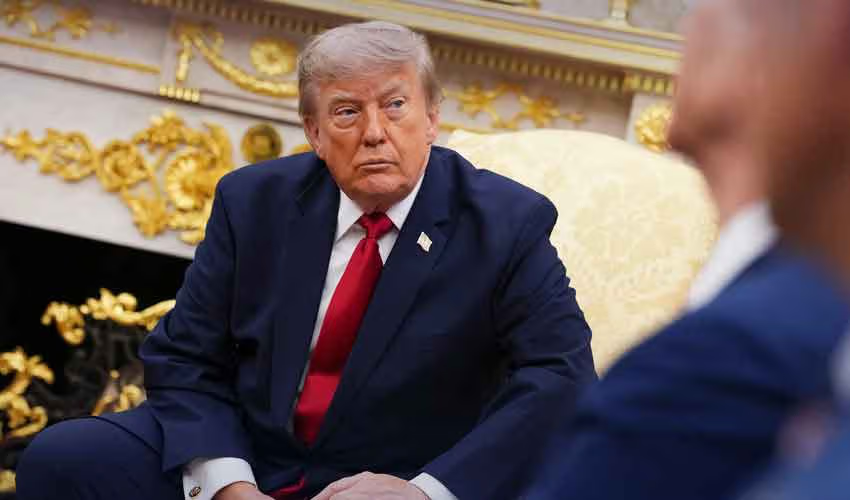
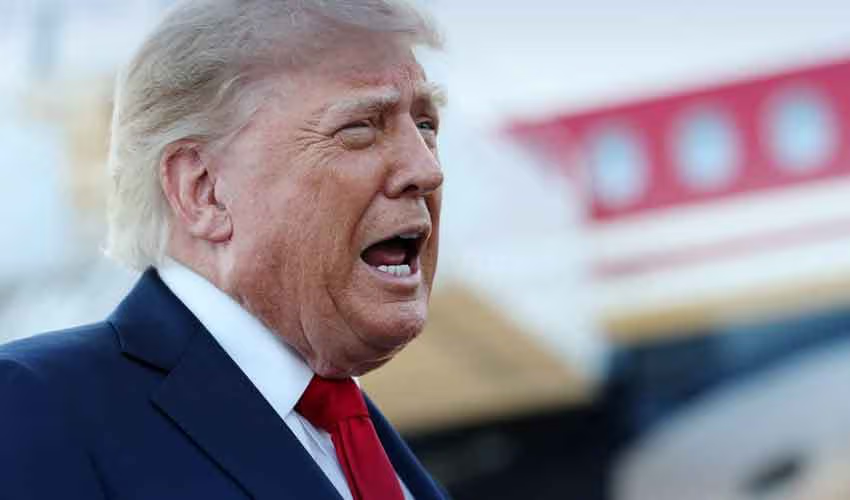
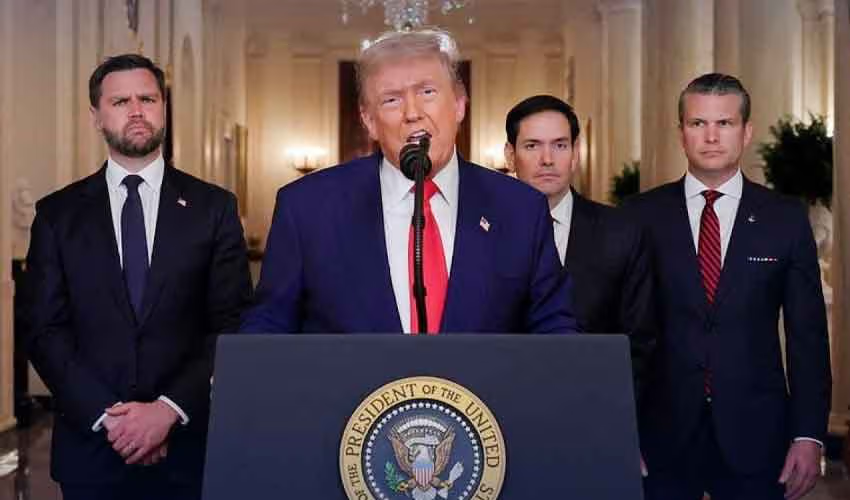
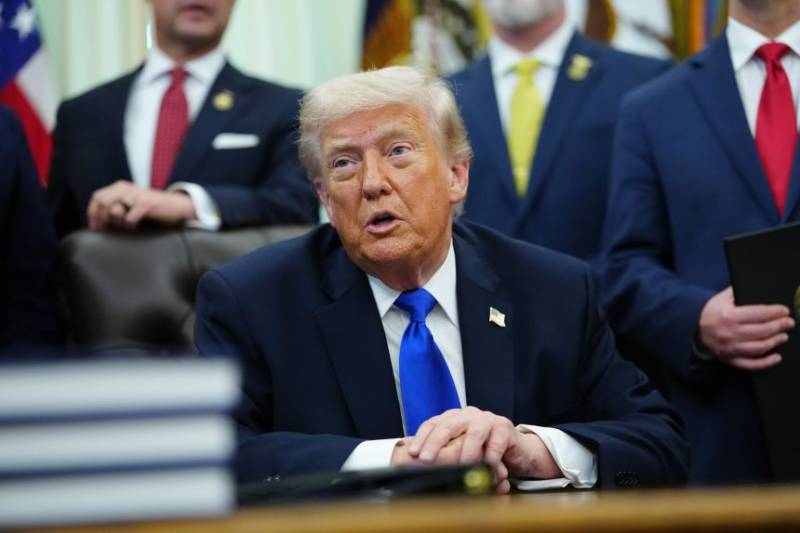
U.S. President Donald Trump issued a stark warning on Wednesday, stating that military action could intensify if Iran refuses to accept a deal.
“If they don’t agree, the bombing starts, and it will be, sadly, at a much higher level and intensity than it was before,” Trump said in a social media post.
His comments come amid mixed signals from Washington, where officials are simultaneously emphasizing diplomatic progress while maintaining military readiness in the region.
The dual-track approach reflects ongoing uncertainty in negotiations that have yet to produce a final agreement.
Reports Suggest Framework Deal Is Near
According to U.S. media outlet Axios, citing two American officials, both sides are close to finalizing a one-page memorandum of understanding that would establish a framework for ending the conflict.
The proposed outline reportedly includes:
- Iran agreeing to pause uranium enrichment activities
- The United States releasing billions of dollars in frozen Iranian assets
- A 30-day negotiation period for a more detailed nuclear agreement
Officials reportedly say Washington is awaiting Iran’s response within the next 48 hours, though no final agreement has been confirmed.
Axios noted that while discussions are more advanced than at any previous stage since the conflict began, significant gaps remain unresolved.
Strait of Hormuz at Center of Negotiations
A key element of the talks is the reopening and stabilization of the Strait of Hormuz, one of the world’s most critical energy shipping routes.
Recent military activity in the region has disrupted commercial shipping, prompting international concern over global energy supply chains.
The United States had briefly initiated a naval escort operation for commercial vessels, described internally as “Project Freedom,” but later paused it amid signs of diplomatic progress.
Trump reportedly said the pause was intended to allow negotiations “a short period” to determine whether a final agreement could be reached.
Military Tensions Continue Despite Diplomatic Efforts
Despite ongoing talks, military activity has continued in and around the Gulf.
Iran’s Revolutionary Guard Navy has warned of retaliation if ships deviate from designated routes, while U.S. Central Command has stated that American forces remain fully prepared to resume combat operations if ordered.
Recent exchanges have included missile and drone activity, alongside U.S. strikes targeting vessels accused of threatening maritime security.
Officials on both sides have described the situation as highly volatile, with the ceasefire remaining fragile.
Regional Diplomacy Expands as China and Pakistan Engage
Iranian Foreign Minister Abbas Araghchi recently traveled to Beijing for high-level discussions with Chinese officials, while Pakistan continues to play a mediating role between Washington and Tehran.
Diplomatic sources suggest potential negotiations could take place in neutral locations such as Geneva or Islamabad, depending on progress in current discussions.
China’s involvement highlights broader international interest in stabilizing the conflict due to its global economic implications.
Economic Stakes Rise as Energy Markets React
Global oil markets remain highly sensitive to developments in the Strait of Hormuz, with even brief disruptions causing price volatility.
Energy analysts warn that prolonged instability could have long-term consequences for global supply chains, inflation, and energy security across multiple regions.
The situation continues to be closely monitored by international financial institutions and major energy importers.
Uncertain Path Forward as Deadline Approaches
While both Washington and Tehran signal openness to negotiation, neither side has confirmed a finalized agreement.
With deadlines reportedly approaching and military deployments still active, the situation remains fluid, balancing between potential de-escalation and renewed conflict escalation.