Trump Says Iran Ceasefire “On Life Support” as Peace Talks Collapse
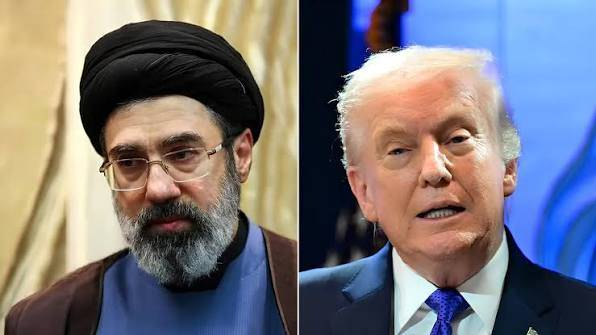
Hopes for a breakthrough peace agreement between the United States and Iran have weakened significantly after U.S. President Donald Trump dismissed Tehran’s latest proposal, calling it “garbage” and signaling that the fragile ceasefire may be nearing collapse.
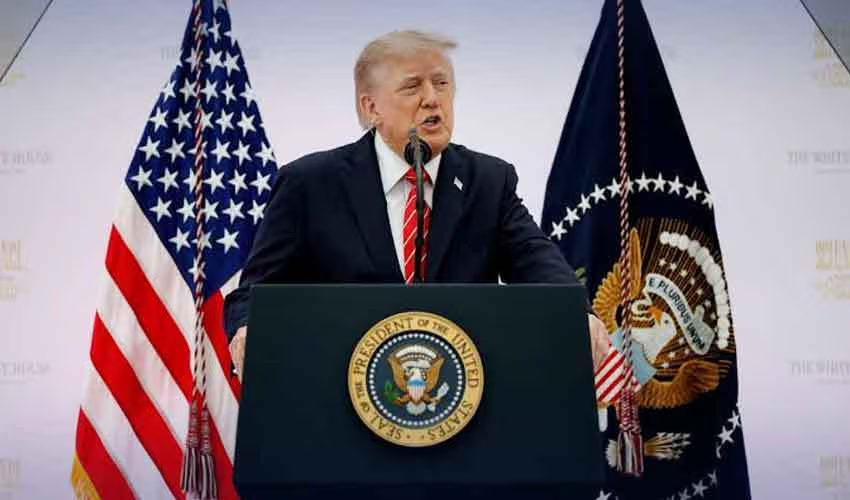
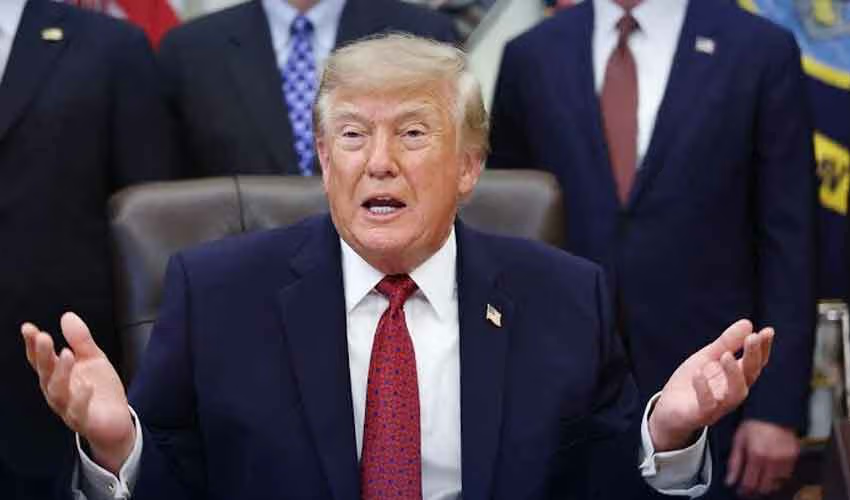
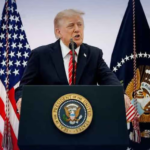
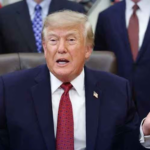
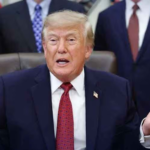
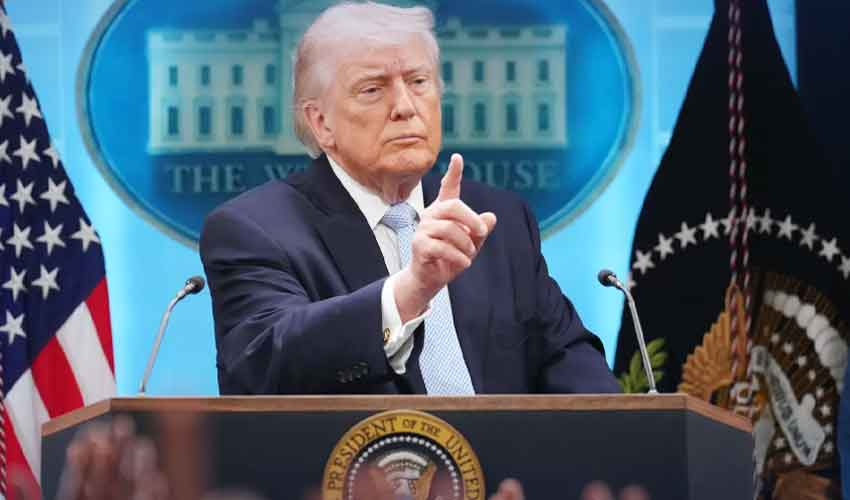
Speaking to reporters, Trump said the situation surrounding the ceasefire—reportedly in place since April 7—is now “on life support,” warning that recent Iranian demands could jeopardize ongoing diplomatic efforts.
“I would call it the weakest right now, after reading that piece of garbage they sent us. I didn’t even finish reading it,” Trump said.
The remarks highlight growing tensions as both sides struggle to agree on even preliminary conditions for ending the conflict.
Iran Sticks to Demands on War End, Sanctions, and Strait of Hormuz
Iran has reportedly insisted on a broad set of conditions for ending hostilities, including:
- A full ceasefire across multiple regional fronts, including Lebanon
- Recognition of Iran’s sovereignty over the Strait of Hormuz
- Compensation for war-related damages
- Immediate end to U.S. naval operations and blockade activities
- Sanctions relief and economic normalization
Tehran’s position reflects its demand for a comprehensive settlement before entering detailed negotiations on nuclear issues and regional security.
Strait of Hormuz Becomes Central Flashpoint in Global Energy Crisis
The Strait of Hormuz, one of the world’s most critical oil transit routes, remains heavily disrupted, with shipping traffic reduced to a fraction of normal levels.
Before the conflict began, roughly 20% of global oil and liquefied natural gas shipments passed through the narrow waterway. However, recent tensions and military activity have sharply reduced commercial movement.
Energy markets have reacted strongly, with Brent crude prices climbing above $104.50 per barrel in early trading amid fears of prolonged supply disruptions.
Oil Market Shock and Global Supply Chain Strain
The ongoing blockade and maritime instability have had significant economic consequences, including:
- Declining oil exports from major producers
- Reduced output across OPEC member states
- Increased global fuel price volatility
- Rising concerns over inflation in energy-importing countries
A recent Reuters survey indicated that OPEC production has fallen to its lowest level in more than two decades, underscoring the scale of disruption.
US Expands Sanctions and Diplomatic Pressure on Iran
The United States has intensified economic pressure by imposing new sanctions on individuals and companies accused of facilitating Iranian oil exports to China.
Washington says these measures are aimed at cutting off funding for Iran’s military operations and nuclear program development.
At the same time, U.S. officials have warned international banks against assisting in sanctions evasion, signaling a broader financial containment strategy.
Global Diplomacy Efforts Continue Amid Deadlock
Despite rising tensions, diplomatic efforts continue through multiple international channels.
- The U.S. State Department has held talks with allies including the United Kingdom and Australia on maritime security
- Turkey is engaging with both Washington and Tehran to help facilitate dialogue
- Qatar and Pakistan are reportedly involved in coordination efforts related to regional stability
However, NATO allies have so far declined to participate in military operations to reopen shipping lanes without a formal peace agreement.
Shipping Activity at Historic Low in Strait of Hormuz
Maritime tracking data shows shipping through the Strait of Hormuz has dropped dramatically.
Only a small number of oil and LNG tankers have successfully transited the waterway in recent days, with many vessels taking precautionary measures such as disabling tracking systems due to security risks.
A second Qatari LNG tanker has reportedly attempted passage under special arrangements involving regional mediators.
Political Pressure Builds in United States
The conflict is also creating domestic political challenges for the Trump administration, particularly as energy prices rise ahead of upcoming national elections.
Public opinion surveys indicate widespread concern among American voters regarding the justification and transparency of U.S. involvement in the conflict.
A Reuters/Ipsos poll suggests a majority of Americans believe the administration has not clearly explained the reasons for the war, adding to political pressure in Washington.
Talks With China Expected to Include Iran Crisis
Trump is expected to travel to Beijing this week, where the Iran conflict and its impact on global energy security are likely to be key topics in discussions with Chinese President Xi Jinping.
China, a major importer of Middle Eastern energy, has strong interest in stabilizing the Strait of Hormuz and restoring predictable global shipping flows.
Outlook Remains Uncertain as Negotiations Stall
While diplomatic channels remain open, the gap between U.S. and Iranian positions remains wide, particularly on sanctions, nuclear enrichment, and maritime control.
Without a compromise on core issues, analysts warn that the ceasefire could continue to weaken, increasing the risk of renewed escalation in an already volatile region.