
Netanyahu Says Israel Should Phase Out US Military Aid Within a Decade
Israeli Prime Minister Benjamin Netanyahu has suggested that Israel should gradually reduce its reliance on U.S. military assistance, signaling a potential long-term shift in the decades-old defense partnership between Washington and Tel Aviv.
In an interview aired on CBS News’ “60 Minutes,” Netanyahu said he hopes Israel will eventually bring U.S. financial military support “down to zero” over the next decade, as the country strengthens its regional alliances and defense independence.
“I want to draw down to zero the American financial support, the financial component of the military cooperation that we have,” Netanyahu said.
$3.8 Billion Annual US Aid Under Review in Long-Term Strategy Shift
Israel currently receives approximately $3.8 billion in annual U.S. military aid, part of a broader 10-year defense package worth an estimated $38 billion from 2018 to 2028.
Despite this long-standing arrangement, Netanyahu said it is now “absolutely” the right time to reconsider the financial structure of the relationship.
He added that he wants the process to begin immediately rather than waiting for future U.S. administrations or congressional cycles.
Changing US Political Climate and Public Opinion
Netanyahu’s remarks come amid shifting political sentiment in the United States regarding Israel and its military operations, particularly following the outbreak of the Gaza conflict in October 2023.
Public opinion polls have indicated declining favorability toward Israel among Americans, alongside reduced confidence in Netanyahu’s leadership in global affairs.
A recent survey suggested that a majority of U.S. adults hold an unfavorable view of Israel, reflecting growing polarization in how the conflict is perceived domestically in the United States.
Analysts say these shifts have contributed to increased scrutiny of long-standing foreign aid commitments.
Social Media Influence and Global Narrative Concerns
Netanyahu also pointed to the role of digital platforms in shaping international opinion, arguing that social media has significantly influenced perceptions of Israel.
He suggested that online narratives have contributed to declining support, though he emphasized that he does not support censorship as a solution.
According to Netanyahu, coordinated online influence campaigns from unnamed countries have negatively affected Israel’s global image, particularly among younger audiences.
US-Israel Security Relationship Under Discussion
Despite proposing long-term financial independence, Israel remains heavily reliant on U.S. military cooperation and advanced defense systems.
The U.S.-Israel security relationship has historically been one of the closest bilateral defense partnerships in the world, supported by bipartisan backing in Congress for decades.
However, analysts note that increasing political divisions in Washington and shifting public attitudes may influence future aid discussions.
Iran War and Regional Security Concerns
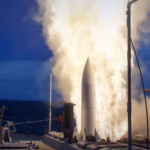
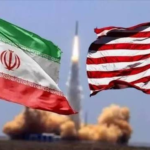
Netanyahu’s comments also come against the backdrop of ongoing tensions with Iran, following the conflict that began earlier this year.
The war has contributed to regional instability, including disruptions in global energy markets due to tensions around the Strait of Hormuz, a key maritime route for global oil shipments.
Netanyahu said Israeli planners were initially slower to recognize the strategic risks posed by Iran’s ability to influence or potentially block the waterway, though he said awareness has since increased.
Iran Conflict and Regional Proxy Networks
The Israeli prime minister also linked Iran’s regional influence to a broader network of allied militant groups, including Hezbollah, Hamas, and the Houthis.
He suggested that weakening or removing Iran’s current leadership structure could significantly disrupt these organizations.
“If this regime is indeed weakened or possibly toppled, I think it’s the end of Hezbollah, it’s the end of Hamas, it’s probably the end of the Houthis,” Netanyahu said.
However, he emphasized that regime change in Iran is not guaranteed, noting uncertainty about the outcome of ongoing geopolitical developments.
Strategic Shift Signals Long-Term Recalibration
Netanyahu’s remarks reflect a broader conversation about the future of U.S.-Israel defense cooperation, particularly as regional conflicts, global economic pressures, and shifting political dynamics reshape traditional alliances.
While immediate changes to aid structures are unlikely, the proposal highlights growing debate over long-term sustainability and strategic independence in Israel’s defense policy.