
Trump Signals Imminent US–Iran Agreement Finalization
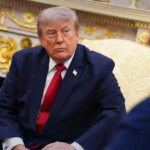
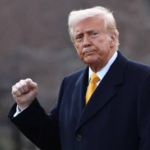
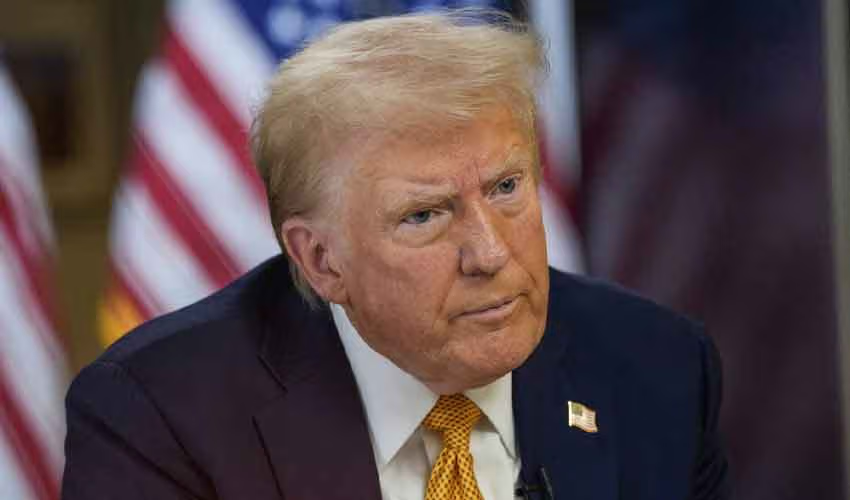
US President Donald Trump has announced that a long-awaited agreement between the United States and Iran could be signed within days, with European officials expected to host the final ceremony.
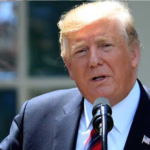
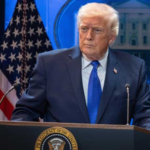
Speaking from the White House, Trump said negotiations had entered their final phase and that both sides were now aligned on key terms after months of tension, intermittent clashes, and behind-the-scenes diplomacy.
He suggested that Iran’s leadership, including its Supreme Leader, had already given approval for the framework, signaling what he described as a “historic turning point” in relations between Washington and Tehran.
Europe Expected to Host Final Signing Ceremony
According to Trump, the agreement will likely be formalized at a location in Europe later this week, marking one of the most significant diplomatic developments between the two nations in recent years.
He confirmed that he will not attend the ceremony personally, but said Vice President JD Vance will represent the United States during the signing process.
The choice of a European venue highlights the continued involvement of international mediators who have played a role in keeping negotiations alive through multiple rounds of crisis escalation.
Sanctions Relief and Immediate Economic Impact
One of the most significant elements of the proposed agreement is the immediate lifting of US sanctions on Iranian ports once the deal is finalized.
Trump said the move would help restore maritime trade flows and ease pressure on global shipping routes that have been disrupted by ongoing geopolitical tensions in the Gulf region.
He also predicted that the agreement would have a direct impact on global energy markets, stating that oil prices would drop significantly once restrictions are removed.
Analysts note that Iranian energy exports have remained a central bargaining chip throughout the negotiations, particularly as global markets remain sensitive to supply disruptions.
Oil Markets Watch Closely as Deal Nears Completion
The Strait of Hormuz and surrounding shipping lanes have been under intense scrutiny throughout the conflict, with traders warning that any disruption could trigger sharp price fluctuations.
Trump’s statement that sanctions relief would be implemented immediately has already raised expectations of increased Iranian oil exports returning to global markets.
Energy analysts suggest that a rapid re-entry of Iranian crude could ease supply concerns, though logistical and regulatory hurdles may still delay full normalization.
JD Vance to Represent US at Signing Ceremony
Vice President JD Vance is expected to take a leading diplomatic role at the European signing event, underscoring the administration’s emphasis on continuity in negotiations.
Vance has previously supported a strategy of sustained engagement with Iran, even amid regional tensions and shifting military dynamics in the Middle East.
His participation signals that Washington intends to maintain high-level political oversight while delegating ceremonial responsibilities as the agreement reaches completion.
Iran’s Role in Final Negotiation Push
Trump indicated that Iran has been actively engaged in the final stages of negotiations and has shown willingness to accept key conditions outlined by Washington and its partners.
He stated that the agreement would only move forward because all sides are now committed to de-escalation and long-term stability.
While details of the deal have not been fully disclosed, previous rounds of negotiations have focused on nuclear restrictions, sanctions relief, and regional security guarantees.
Diplomatic Shift After Months of Escalation
The potential agreement comes after months of heightened tensions between the United States and Iran, including military exchanges, maritime disruptions, and regional proxy conflicts involving multiple Middle Eastern states.
Despite earlier concerns that talks could collapse, both sides appear to have maintained backchannel communications that ultimately paved the way for the current breakthrough.
If finalized, the deal would mark one of the most significant diplomatic realignments in US–Iran relations in recent years, with implications for global energy markets and Middle East stability.
Global Markets and Regional Powers React Cautiously
Financial markets and regional governments are closely monitoring developments as expectations grow around sanctions relief and increased Iranian oil exports.
European diplomats involved in the process have reportedly been coordinating logistical arrangements for the signing ceremony, while energy traders are adjusting forecasts based on the possibility of improved supply conditions.
While optimism is rising, officials continue to stress that final signatures and implementation details remain critical before any full stabilization can be confirmed.