
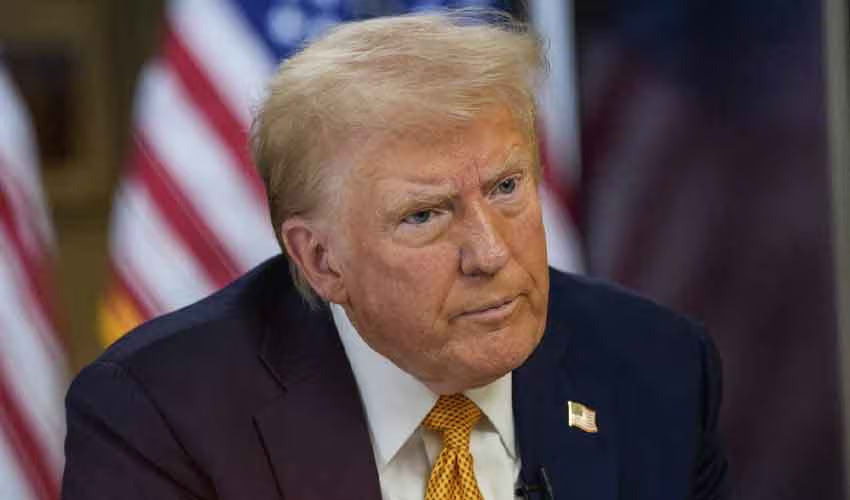
Trump Warns of “Very Hard” New Strikes on Iran
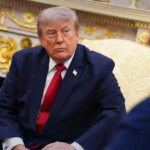
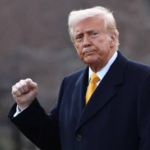
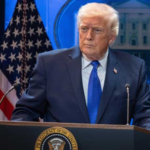
US President Donald Trump has warned that the United States will carry out further military strikes against Iran, escalating an already volatile conflict centered on energy infrastructure and maritime control in the Gulf region.
Posting on Truth Social and speaking in televised remarks, Trump said the US would respond “very hard” and suggested that Iran’s oil and gas system could be targeted next, including strategic facilities such as Kharg Island.
“At some point… we will be taking Kharg Island and other oil infrastructure points,” Trump said, framing the move as part of a broader effort to reshape control over regional energy markets.
Kharg Island Becomes Central Flashpoint in Oil Conflict
Kharg Island, Iran’s primary crude oil export terminal, has emerged as a key strategic target amid rising tensions. The facility handles the majority of Iran’s oil exports and is widely viewed as the backbone of the country’s energy economy.
Trump indicated that future US operations could shift from military targets to direct pressure on Iran’s oil infrastructure, raising concerns about a broader economic confrontation alongside military escalation.
He compared the potential approach to Washington’s influence over Venezuela’s oil sector, suggesting a model of external control over energy flows in hostile states.
While Trump said the plan is under consideration, he also acknowledged uncertainty about US readiness for such a high-risk operation, hinting at internal debate over escalation limits.
Iran Oil Strategy and Regional Energy Pressure
Any move targeting Kharg Island would carry major consequences for global energy markets. The island is located near critical shipping routes connected to the Strait of Hormuz, through which a significant share of the world’s crude oil and liquefied natural gas passes.
Earlier reporting indicates that Iran has already increased pressure on maritime traffic in the region, contributing to volatility in global oil supply chains and insurance costs for commercial shipping.
Analysts warn that any disruption to Kharg operations or Hormuz shipping lanes could trigger sharp spikes in oil prices and global supply instability.
Trump Says US Attempted to Arm Iranian Opposition
In a separate interview on Fox & Friends, Trump confirmed that the United States previously attempted to support opposition groups inside Iran by supplying weapons intended for Kurdish factions.
He said the strategy was designed to weaken Tehran’s internal control but admitted the effort did not produce the intended outcome.
“The Kurds let us down,” Trump said, claiming the weapons were not distributed as planned and therefore failed to shift the internal balance of power.
The remarks highlight the broader US strategy mix of military pressure and covert influence efforts aimed at destabilizing Iran’s governing structure.
Continued Strikes Amid Ongoing Diplomatic Contact
Despite the aggressive rhetoric and renewed strike threats, Trump said that diplomatic engagement with Iran has not stopped.
His administration continues to maintain backchannel discussions with Iranian officials even as military operations expand across multiple fronts.
The parallel approach reflects a dual-track strategy: sustained pressure through strikes while keeping negotiations alive to prevent full-scale regional war.
Explosions Reported Near Hormuz and Shipping Route Closure
Iranian state media reported explosions in the coastal city of Sirik, located near the Strait of Hormuz, while regional authorities confirmed heightened military activity around key ports.
In a major escalation, officials linked to the Persian Gulf Authority reportedly announced a closure of the Strait of Hormuz, a critical global energy artery.
If sustained, the closure could significantly disrupt global shipping routes and further increase oil price volatility.
Recent tensions have already raised concerns about long-term instability in one of the world’s most important maritime chokepoints.
US–Iran Conflict Expands Across Energy and Maritime Fronts
The latest developments show a widening conflict that now spans military operations, oil infrastructure, and global shipping routes.
Alongside the Iran situation, US Vice President JD Vance emphasized that American strategic decisions prioritize US national interests, even when they diverge from allied positions in the region.
Meanwhile, regional instability continues to affect multiple countries as maritime security deteriorates and military exchanges increase across the Gulf.
Pakistan Economic Data Released Amid Global Uncertainty
In a separate development, Pakistan’s Finance Ministry released its latest economic survey showing GDP growth at 3.7%, below the official target of 4.2%.
The report also highlighted a trade imbalance, with imports recorded at $63 billion compared to exports of $28 billion, underscoring persistent external sector pressure.
Economists note that global instability, particularly energy market volatility linked to the Iran conflict, could further affect regional economies dependent on imported fuel and trade flows.
Rising Risk of Energy Shock and Wider Escalation
With threats directed at Kharg Island and continued instability in the Strait of Hormuz, markets and governments are closely watching for signs of further escalation.
Any sustained disruption to Iranian oil exports or Gulf shipping lanes could trigger widespread consequences across global energy markets, inflation trends, and geopolitical alliances.