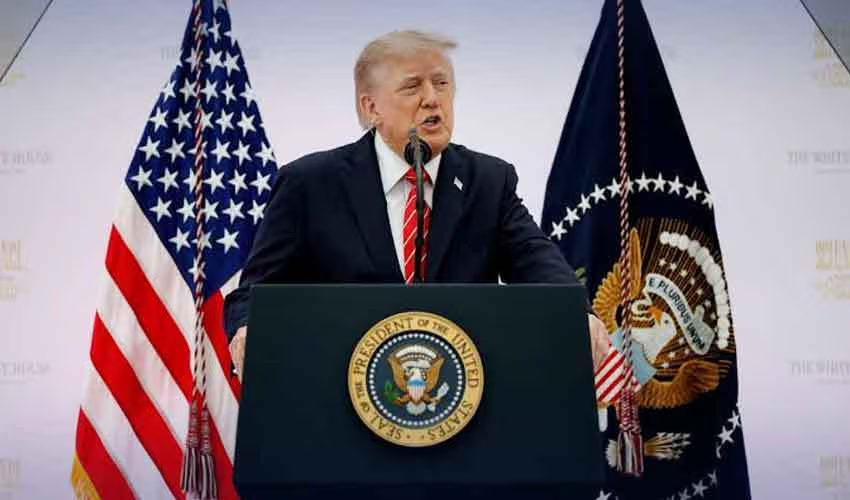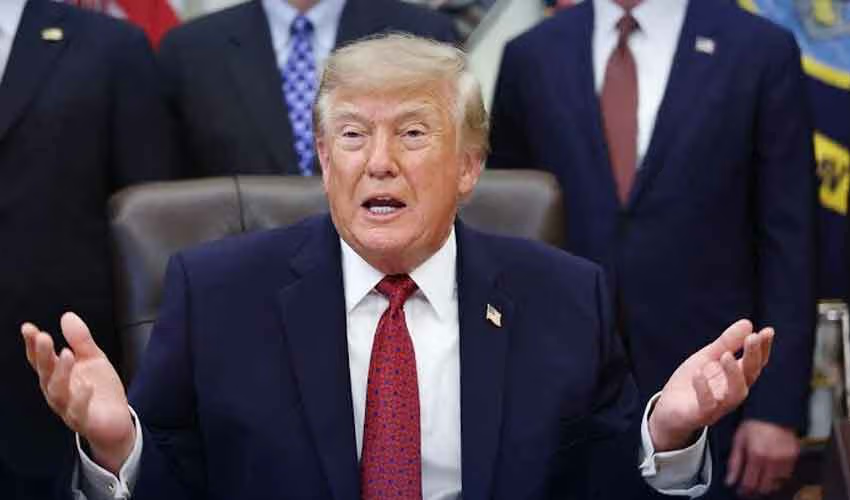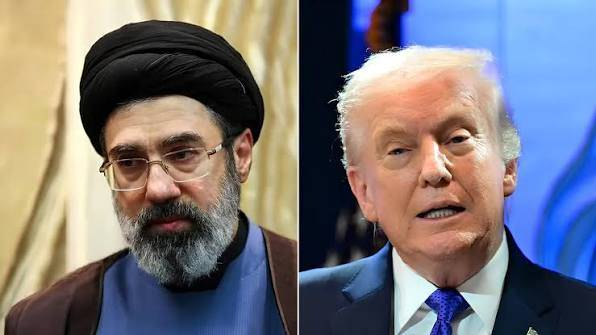
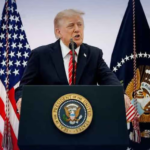
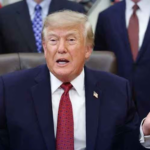
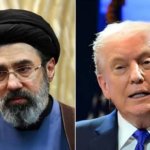

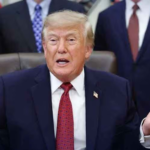
WASHINGTON / TEHRAN — Iran has requested the continuation of talks with the United States, President Donald Trump said Friday, signaling a possible diplomatic opening after days of escalating military tensions between Washington and Tehran.
Trump confirmed that US officials are prepared to continue discussions with Iran but stressed that Washington considers the previous ceasefire arrangement no longer active.
In a statement, Trump said Iran had reached out to continue negotiations and that the United States had agreed to engage.
“The Islamic Republic of Iran has asked us to continue talks. We have agreed to do so, but the United States has stated to them, in no uncertain terms, that the ceasefire is over,” Trump said.
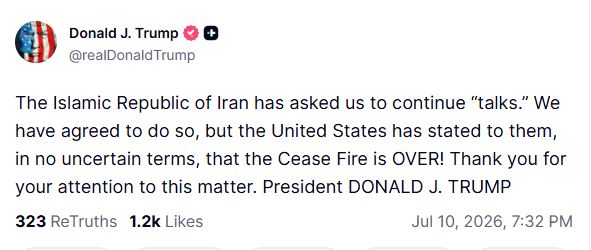
The statement highlights the complicated situation between the two countries, where diplomatic communication continues despite military confrontations and deep disagreements over security issues.
Pakistan and Qatar Lead Mediation Efforts
As tensions increased between Washington and Tehran, regional mediators have intensified efforts to prevent further escalation and bring both sides back to negotiations.
Reports indicate that Pakistan and Qatar have been working behind the scenes to restart diplomatic engagement between the United States and Iran.
According to US media reports, no new military attack took place overnight following mediation efforts by Islamabad and Doha.
The two countries have played a significant role in facilitating indirect communication between Washington and Tehran, particularly during periods when direct negotiations have been politically difficult.
Officials familiar with the discussions said previous talks had shown meaningful progress toward a possible nuclear agreement, creating hope that diplomacy could still prevent a broader conflict.
Trump Wants Strait of Hormuz Reopened
A major priority for Washington remains restoring normal shipping activity through the Strait of Hormuz, a crucial global energy route.
Trump has repeatedly emphasized the importance of keeping the waterway open, warning that restrictions on commercial shipping could create wider economic consequences.
The Strait of Hormuz carries a significant portion of global oil supplies, making stability in the region a major concern for international markets.
According to reports, Trump is seeking a solution that avoids a wider war while ensuring freedom of navigation through the strategic waterway.
Regional Powers Join Diplomatic Push
The mediation effort has expanded beyond Pakistan and Qatar, with officials from several regional countries reportedly engaging with Washington to help reduce tensions.
Diplomatic contacts have reportedly involved:
- Pakistan
- Qatar
- Türkiye
- Egypt
- Saudi Arabia
The discussions focused on lowering tensions, maintaining communication channels, and creating conditions for renewed negotiations.
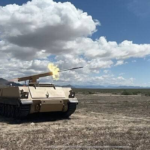
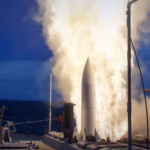
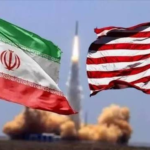
These efforts come after a series of military exchanges between the US and Iran raised fears of a wider regional conflict.
Nuclear Agreement Remains Key Challenge
The future of US-Iran relations continues to depend heavily on negotiations surrounding Tehran’s nuclear program.
Washington has maintained that Iran must never acquire nuclear weapons, while Tehran has demanded guarantees regarding sanctions relief and economic access.
Previous diplomatic discussions reportedly made progress on several technical issues, but major disagreements remain unresolved.
The latest developments suggest that both sides are keeping diplomatic channels open despite continuing political pressure and military threats.
Uncertain Path Ahead for Washington and Tehran
While Iran’s request for continued talks represents a potential shift toward diplomacy, the situation remains fragile.
Trump’s warning that the ceasefire has ended reflects ongoing mistrust between the two governments, while mediator efforts indicate strong regional interest in preventing another escalation.
With Pakistan, Qatar, and other regional partners pushing for dialogue, the coming days could determine whether Washington and Tehran move toward renewed negotiations or face another cycle of confrontation.