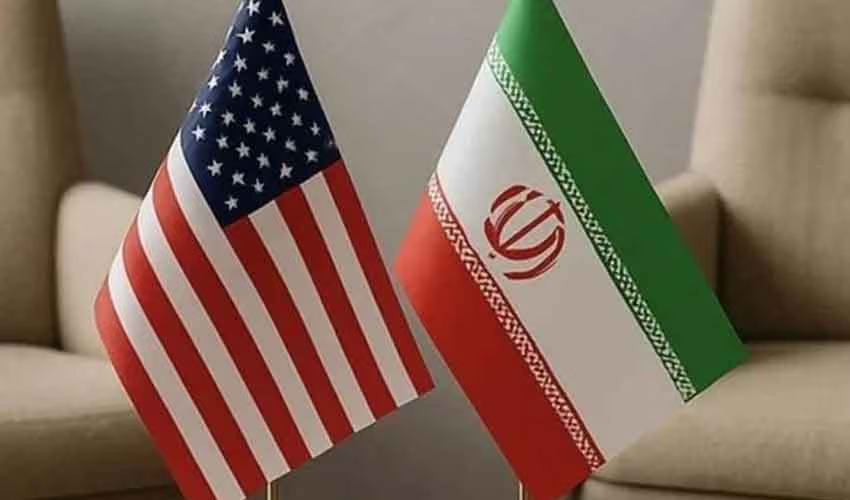
DOHA / WASHINGTON / TEHRAN — Uncertainty is mounting over planned diplomatic talks between the United States and Iran, as conflicting statements from both sides cast doubt on whether negotiations will actually take place in Doha this week.
Iran has firmly denied that any formal negotiations with the United States are scheduled, directly contradicting reports that technical-level discussions were set for the Qatari capital. The confusion comes at a sensitive moment for an already fragile interim ceasefire agreement that halted months of conflict in the region.
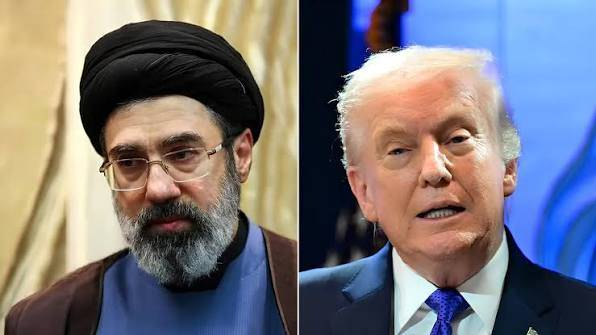
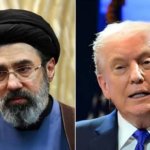
According to Iranian Foreign Ministry spokesperson Esmaeil Baghaei, an Iranian technical delegation will travel to Qatar this week, but the visit has “no relation” to any American delegation or formal talks.
“We will not have any negotiation meetings at any level with the American side in the coming days,” Baghaei said, dismissing international media reports suggesting otherwise.
Conflicting Signals from Washington and Tehran
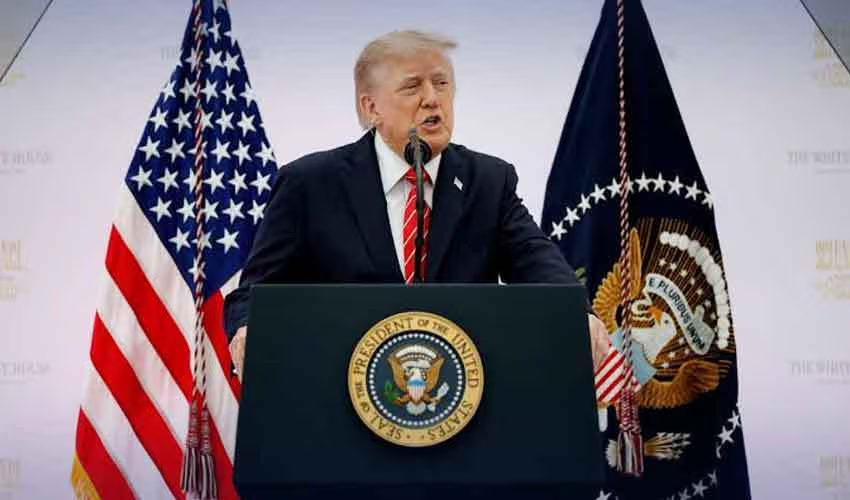
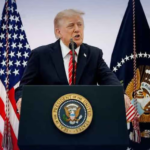
On the US side, officials have signaled preparations for engagement. The White House confirmed that President Donald Trump is dispatching senior envoys, including Jared Kushner and special envoy Steve Witkoff, to lead the American delegation.
The talks were expected to focus on maintaining the June 17 interim ceasefire agreement, which aimed to end a four-month conflict and reopen key maritime routes, including the Strait of Hormuz.
However, Tehran’s outright denial of negotiations has highlighted deep mistrust between the two sides and raised questions about whether even preliminary discussions will take place.
A senior Iranian official suggested that while a meeting in Doha could still occur, it would likely be limited to technical coordination on maritime security rather than broader political negotiations.
Ceasefire Under Strain After Renewed Missile Exchanges
The diplomatic uncertainty follows renewed missile exchanges over the weekend, which further strained the already fragile ceasefire framework.
The interim agreement, originally designed as a 14-point roadmap, called for a minimum 60-day implementation phase to extend earlier truces, address Iran’s nuclear program, and eventually negotiate a permanent peace deal.
Despite this framework, both Washington and Tehran have accused each other of violating the terms of the deal.
The conflict originally escalated after US and Israeli strikes on Iran on February 28, which severely disrupted maritime activity through the Strait of Hormuz—a vital global energy corridor.
Strait of Hormuz Becomes Central Flashpoint
The Strait of Hormuz has remained one of the most volatile pressure points in the crisis. At one stage during the conflict, its partial closure pushed global oil prices above $100 per barrel, triggering inflation concerns across energy-importing economies.
Iran has continued to use its strategic position in the waterway as leverage, with officials signaling possible transit fees for commercial shipping and stricter navigation controls.
The United States has accused Iran of targeting commercial vessels with missiles and drones in recent days, while responding with strikes on Iranian military installations. Iran, in turn, has reportedly launched missile and drone attacks on US bases in Kuwait and Bahrain.
Trump Downplays Certainty of Doha Meeting
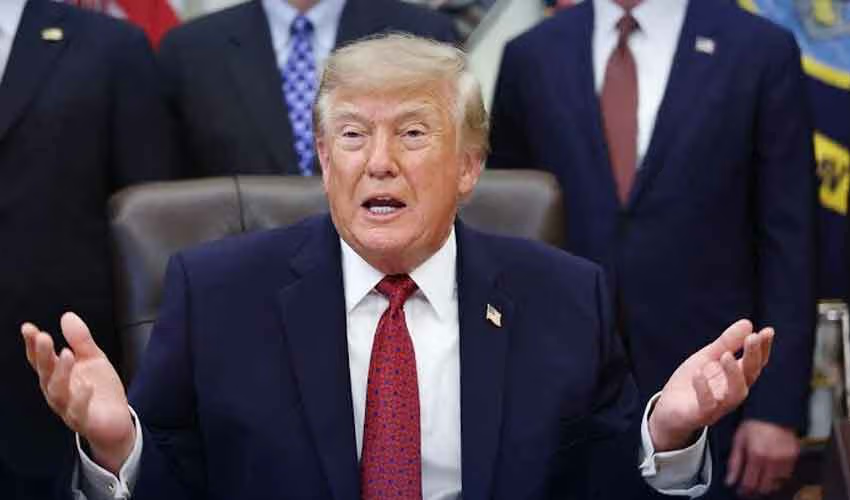
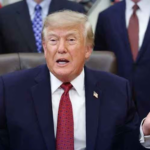
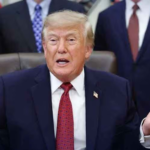
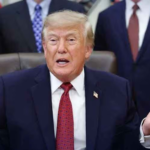
Speaking from the Oval Office, President Donald Trump said the potential meeting in Doha “is going to be perhaps important, perhaps not,” reflecting uncertainty even within Washington’s own diplomatic messaging.
The president reiterated that the United States remains militarily dominant and maintained that Iran must never obtain a nuclear weapon—one of Washington’s key long-standing demands.
Oil Markets React to Escalating Tensions
Global oil prices rose more than 1% on Monday following the latest wave of tensions, as traders weighed the risk of renewed disruption in the Strait of Hormuz.
Analysts say even minor escalation in the region has the potential to impact global energy markets due to the chokepoint’s strategic importance in global oil shipping routes.
French President Emmanuel Macron said France is working alongside Oman and international partners to de-escalate tensions and explore maritime safety measures, including possible demining efforts in the region.
Iranian Deputy Foreign Minister Kazem Gharibabadi rejected foreign involvement in such operations, insisting that any clearance efforts fall solely under Iranian authority.
Political Fallout and Congressional Briefing
In Washington, senior officials including Steve Witkoff and Secretary of State Marco Rubio briefed members of Congress on the evolving situation.
Republican Senator Steve Daines described the briefing as “constructive,” while Senate Majority Leader Chuck Schumer criticized it as lacking critical detail, saying lawmakers were left without a clear assessment of progress or outcomes.
Schumer also raised concerns about Iran retaining financial leverage, including access to billions in oil revenue reportedly tied to sanctions waivers.
Frozen Assets and Economic Concessions
Iranian President Masoud Pezeshkian announced that $6 billion of frozen Iranian funds held in Qatar would be released as part of the interim arrangement.
The broader agreement also includes sanctions waivers covering Iran’s oil and petrochemical exports, allowing Tehran to partially resume energy trade under limited conditions.
State media in Iran described the arrangement as a diplomatic win, while critics in the US argue it strengthens Tehran’s financial position during ongoing tensions.
Doha Talks Still Uncertain as Positions Harden
Despite ongoing consultations with Qatar and Pakistan as mediators, Iranian officials reiterated that no confirmed date, venue, or agenda exists for direct US-Iran talks.
While diplomatic channels remain open, both sides continue to present conflicting narratives—underscoring the instability of the ceasefire and the difficulty of transitioning from military confrontation to structured negotiation in one of the world’s most sensitive geopolitical flashpoints.