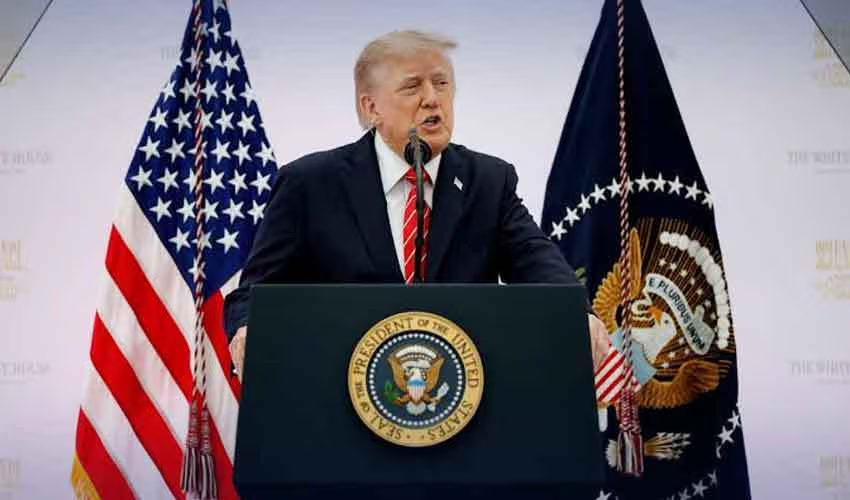
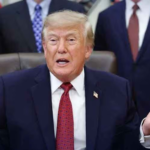
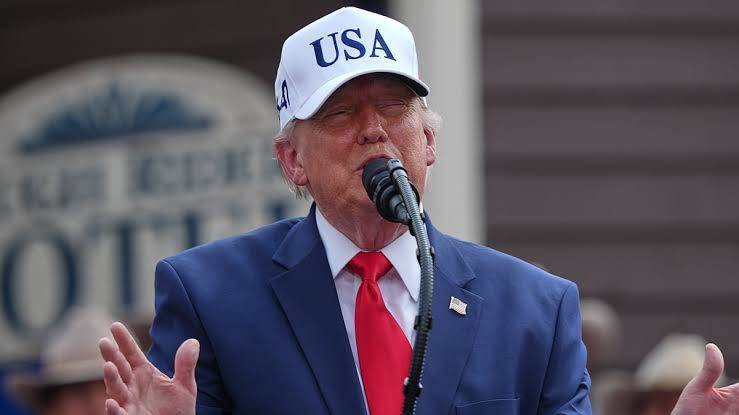
WASHINGTON / ANKARA — US President Donald Trump has sharply criticized NATO, calling it “ridiculous” for the United States to continue what he described as a “one-sided” security relationship with the alliance, escalating long-running tensions over burden-sharing with European allies.
In a post on Truth Social, Trump wrote: “They were not there for us!!!” arguing that the US relationship with NATO is “not reciprocal.” The remarks come just days before a major NATO summit scheduled in Ankara on July 7–8, where leaders from all 32 member states are expected to gather.
Trump Pushes Europe to Take Security Lead
Trump has repeatedly pressured NATO allies to increase defense spending and take greater responsibility for their own security, particularly as Europe continues to respond to global instability, including the war in Iran and broader regional tensions.
He has argued that the United States bears a disproportionate share of the alliance’s financial and military burden, posting a chart highlighting defense spending disparities among member states.
Under pressure from Washington, NATO members previously agreed to raise defense-related spending targets to 5% of GDP by 2035, a significant shift in alliance expectations.
NATO at the Center of Global Security Debate
The North Atlantic Treaty Organization, or NATO, founded in 1949, has long served as the backbone of Western defense strategy, helping deter Soviet expansion during the Cold War and shaping US global influence for decades.
However, Trump’s renewed criticism signals continued uncertainty about Washington’s long-term commitment to the alliance structure, particularly as he pushes a broader foreign policy approach emphasizing regional self-reliance over collective defense.
His comments also reflect growing friction between the US and several European partners over military coordination and base access, especially amid recent geopolitical tensions involving Iran.
Ankara Summit Faces Rising Political Pressure
The upcoming NATO summit in Ankara is expected to focus on defense spending, military readiness, and coordination on ongoing global crises. But Trump’s remarks are likely to dominate discussions behind closed doors, adding pressure to already delicate alliance negotiations.
Diplomatic observers say European leaders are preparing for renewed debate over burden-sharing commitments and the future direction of NATO strategy under shifting US priorities.
Trump Links NATO Criticism to Independence Day Events
Trump’s NATO remarks come as he prepares for a high-profile Independence Day weekend tied to America’s 250th anniversary celebrations.
He is scheduled to visit Mount Rushmore in South Dakota, where he will deliver a speech beneath the carved faces of four US presidents. The visit has drawn political attention, with supporters previously suggesting his likeness could one day be added to the monument alongside figures such as George Washington and Abraham Lincoln.
On July 4, Trump is also expected to hold a large rally in Washington, accompanied by military flyovers and a major fireworks display promoted as one of the largest in the country.
Political Divide Grows Over National Celebrations
The anniversary events come at a time of deep political polarization in the United States, with public opinion divided over the direction of the country and the administration’s policies.
Recent polling suggests a majority of Americans believe the country is struggling to live up to its founding ideals, reflecting broader concerns about economic pressure, immigration debates, and foreign policy decisions.
Critics argue that Trump’s use of national celebrations has increasingly blurred the line between state events and political campaigning, while supporters view the events as patriotic reaffirmations of American identity.
Rising Tensions Ahead of Key Election Cycle
Trump’s NATO remarks and Independence Day messaging also come ahead of crucial midterm elections, where control of Congress will be contested.
Republicans face growing pressure to maintain political momentum amid concerns about voter sentiment, economic conditions, and foreign policy challenges. Analysts note that Trump’s public messaging on NATO, defense spending, and national pride is likely aimed at energizing his political base during a highly competitive election period.
As the NATO summit approaches, Trump’s comments are expected to remain a focal point in debates over the future of US leadership in global security alliances.