
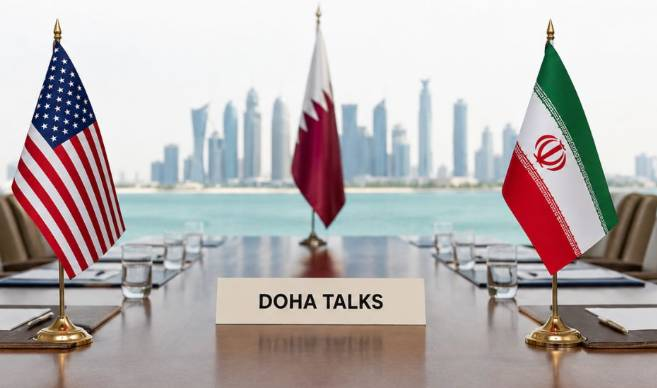
DOHA — Indirect diplomatic negotiations between the United States and Iran have reportedly made “positive progress” in Doha, with Pakistan and Qatar playing a central mediating role in efforts to stabilize long-running regional tensions, according to statements from Qatari officials and media reports.
The discussions, held through separate meetings with American and Iranian delegations, are said to have focused on issues linked to the Islamabad Memorandum of Understanding (MoU), a framework aimed at reducing military escalation and advancing structured diplomatic engagement between the two rivals.
A spokesperson for Qatar’s Foreign Ministry described the outcome of the latest round of talks as constructive, noting that both sides agreed to continue dialogue in the coming weeks.
Doha Diplomacy Gains Momentum Amid Regional Tensions
According to Qatari Foreign Ministry spokesperson Majed Al Ansari, mediators from both Qatar and Pakistan facilitated parallel meetings with US and Iranian negotiators in Doha. The aim was to maintain communication channels and build on earlier diplomatic understandings reached in previous international discussions, including the Lake Lucerne Summit.
Al Ansari said the talks resulted in “positive progress on issues related to the Islamabad Memorandum of Understanding,” emphasizing that while no final agreements were reached, the tone of engagement remained encouraging.
The mediation format involved indirect communication, with Pakistani and Qatari officials acting as intermediaries rather than hosting direct US–Iran meetings.
Islamabad MoU Becomes Diplomatic Reference Point
The Islamabad Memorandum of Understanding (MoU) has emerged as a key reference framework in ongoing efforts to reduce hostilities between Washington and Tehran. While details of the agreement remain limited publicly, it is understood to outline phased steps toward de-escalation, communication protocols, and potential economic and security understandings.
Diplomatic sources suggest the MoU has helped structure discussions around incremental trust-building measures rather than immediate comprehensive settlement attempts.
Both sides reportedly agreed during the Doha discussions to maintain open communication channels and continue technical-level engagement in the coming period.
Qatar and Pakistan’s Expanding Mediation Role
The involvement of Pakistan and Qatar highlights their growing diplomatic influence in facilitating dialogue between global and regional powers.
Officials in Doha and Islamabad have increasingly positioned themselves as neutral intermediaries capable of bridging communication gaps between Washington and Tehran, particularly as direct negotiations remain politically sensitive and inconsistent.
The Qatari Foreign Ministry reiterated that both countries remain committed to supporting diplomatic solutions aimed at reducing regional instability and avoiding further escalation in the Middle East.
Talks Paused for Iranian State Funeral Events
Mediators confirmed that the next round of discussions will be scheduled following the funeral ceremonies of Iran’s former supreme leader, Ayatollah Ali Khamenei, a major national event expected to draw international attention and temporarily pause diplomatic activity.
Despite the delay, officials stressed that all parties involved remain engaged and open to continuing discussions at the earliest opportunity.
Constructive Signals but No Final Agreement
While reports from AFP and Qatari officials described the Doha meetings as producing “positive progress,” no detailed agreements or policy breakthroughs were publicly disclosed.
Instead, the emphasis remained on maintaining momentum and avoiding breakdowns in communication—a critical factor given the fragile geopolitical environment surrounding US–Iran relations.
The mediators noted that both sides expressed willingness to continue dialogue over the coming weeks, suggesting that negotiations are still in an exploratory or confidence-building phase rather than nearing a final settlement.
Regional Stability Still Fragile Despite Dialogue
The renewed diplomatic push comes amid ongoing tensions across the Middle East, where military incidents and maritime disputes have previously disrupted earlier ceasefire efforts.
The Strait of Hormuz and surrounding maritime routes remain particularly sensitive, with global energy markets closely watching any escalation or diplomatic breakthrough that could affect shipping stability.
Observers say the continued involvement of neutral intermediaries like Pakistan and Qatar may help prevent further breakdowns in communication, even if a comprehensive agreement remains distant.
For now, the Doha talks signal cautious diplomatic movement rather than resolution—keeping US–Iran engagement alive through indirect but structured channels.