President Donald Trump has escalated his rhetoric over the Strait of Hormuz by sharing a graphic on Truth Social that labels the strategically important waterway as “new US territory.”
The image features a map of the Strait of Hormuz, the narrow maritime passage between Iran and Oman, with the waterway highlighted beneath a prominent banner declaring it “NEW U.S. Territory.”
Trump’s post comes after he previously said the United States could declare the Strait of Hormuz US territory following the ongoing confrontation with Iran.
The latest social media post has renewed attention on the president’s claims over the strategic waterway at a time when shipping disruptions and tensions between Washington and Tehran continue to affect global energy markets.
Trump Renews Push to Claim Strait of Hormuz
Trump has repeatedly asserted that the United States has significant control over the Strait of Hormuz.
His latest post goes further by visually presenting the waterway as American territory, although the material does not indicate that the United States has formally changed the legal status of the strait.
The Strait of Hormuz lies between Iran and Oman and serves as a crucial maritime connection between the Persian Gulf and the Gulf of Oman.
Because of its geographic position, the waterway has become a major focus of the confrontation between the United States and Iran.
Any restrictions on commercial shipping through Hormuz can have consequences for international oil supplies, fuel prices and global trade.
Trump Defends Higher Gasoline Prices
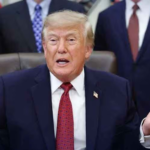
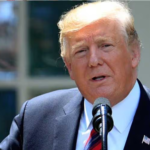
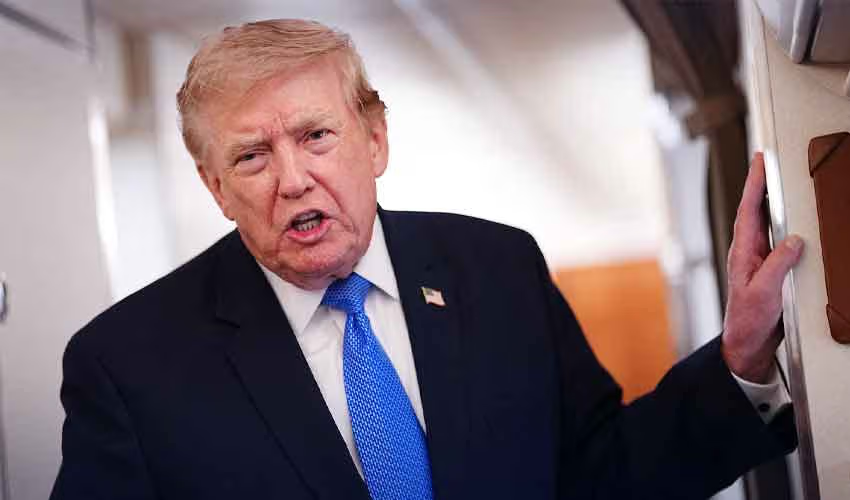
Trump also defended higher gasoline prices during remarks in Garden City, New York, arguing that Americans should accept some additional costs if they help prevent Iran from obtaining a nuclear weapon.
The president said consumers should view slightly higher fuel prices as part of the cost of maintaining pressure on Tehran.
Trump has consistently presented Iran’s nuclear ambitions as a major security concern and has defended the US military campaign against the country.
He also rejected the idea that he should apologize for US attacks on Iran, saying American actions were serving a broader global purpose.
“We’re really doing a great job,” Trump said while defending the administration’s approach.
Hormuz Dispute Could Affect Global Oil Markets
The Strait of Hormuz is one of the world’s most significant energy chokepoints.
The waterway provides a vital route connecting major oil-producing states in the Persian Gulf with international markets through the Gulf of Oman and the Arabian Sea.
Any prolonged disruption could place upward pressure on crude oil prices and increase transportation and insurance costs for commercial vessels.
Energy traders have closely monitored developments around the strait because uncertainty over shipping can quickly affect expectations for global oil supplies.
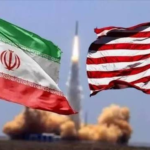
The latest Trump statement adds another layer to the dispute, with Washington maintaining pressure on Tehran while Iran continues to challenge US claims regarding control of the waterway.
Higher Fuel Costs Create Domestic Pressure
Trump’s comments about gasoline prices also carry domestic political implications.
The president has previously campaigned on reducing energy costs for American households and businesses. A sustained increase in gasoline prices could therefore create pressure on the administration, particularly if disruptions around Hormuz continue.
Higher fuel prices can also increase transportation costs, potentially affecting prices for goods and services across the US economy.
For now, Trump’s renewed call to treat the Strait of Hormuz as US territory is likely to remain a major point of discussion as the confrontation with Iran continues.
The combination of military tensions, disrupted shipping and uncertainty surrounding the waterway has made Hormuz one of the most closely watched geopolitical flashpoints in the global energy market.