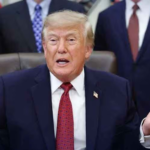
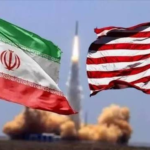
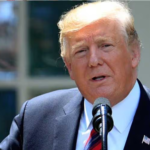
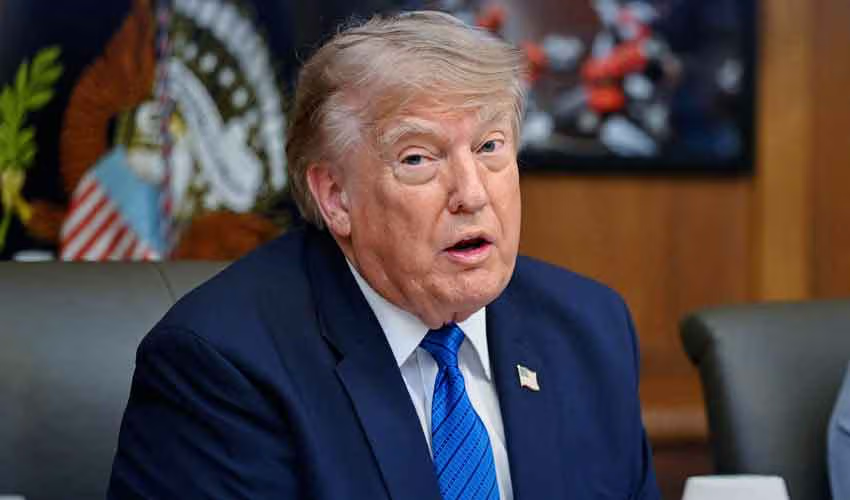
President Donald Trump has issued a stark warning to Oman, threatening military action if the Gulf nation interferes with US efforts to reopen the Strait of Hormuz.
In an interview with Fox News, Trump said Oman could face “heavy bombing” if Muscat obstructs American efforts involving the strategically important waterway.
The warning comes as Oman attempts to play a diplomatic role between Washington and Tehran while the Strait of Hormuz remains at the center of the escalating US-Iran conflict.
Trump Warns Oman Over Hormuz
Trump’s comments represent a significant escalation in his rhetoric toward Oman, which has traditionally maintained a diplomatic role in Middle East conflicts.
The president said the United States would respond forcefully if Oman interfered with efforts to restore access through the Strait of Hormuz.
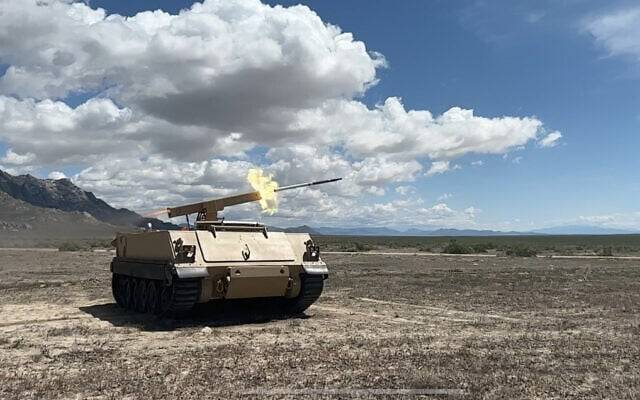
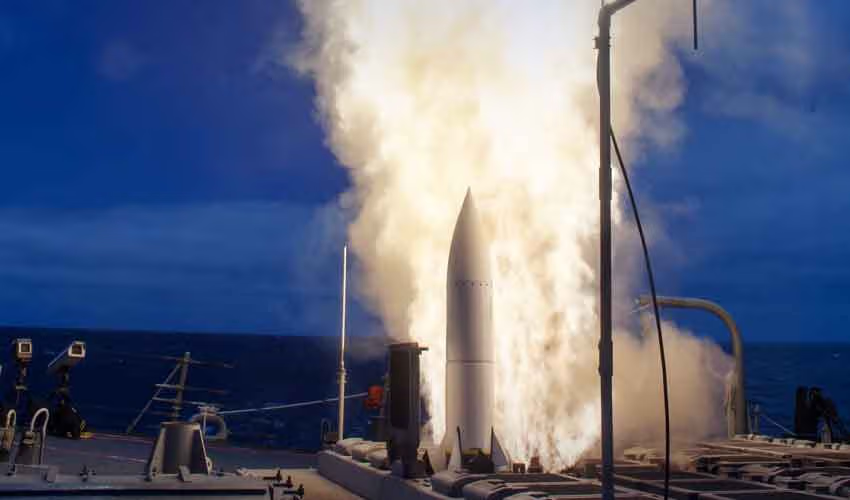
Trump also emphasized the scale of America’s military capabilities, claiming that the US has substantial weapons reserves that have not yet been used.
“We have vast reserves of weapons,” Trump said, according to the supplied material, adding that the United States still has numerous medium-range weapons available.
His remarks suggest that Washington is prepared to maintain military pressure as it seeks to influence developments surrounding the critical shipping route.
Trump Calls on Iran to Surrender
Trump also delivered a direct message to Iran, calling on Tehran to surrender as the confrontation between the two countries continues.
The president urged Iran to “wave the white flag” while making clear that he was not under immediate pressure to end the conflict.
Trump’s comments come amid continuing military and diplomatic tensions between Washington and Tehran, with the Strait of Hormuz emerging as one of the most sensitive issues in the confrontation.
The president also claimed that his administration had established a back channel for communication with Iran’s Islamic Revolutionary Guard Corps, potentially creating another avenue for messages between the two sides.
Oman Tries to Help Reopen Strait of Hormuz
Oman has become increasingly important to diplomatic efforts surrounding the Strait of Hormuz.
Iran said it had been holding discussions with Oman about arrangements for reopening the waterway, which is one of the world’s most important routes for international energy shipments.
Reports have suggested that the two countries have made progress toward a possible agreement designed to restore commercial shipping through the strait.
Oman’s involvement is particularly significant because Muscat has historically positioned itself as a mediator in disputes involving Iran and Western countries.
The country’s diplomatic role has included facilitating communication between Tehran and Washington during periods of heightened tension.
Why the Strait of Hormuz Matters
The Strait of Hormuz connects the Persian Gulf with the Gulf of Oman and the Arabian Sea. Its location makes it a critical passage for global oil and liquefied natural gas shipments.
Any prolonged disruption to commercial traffic can create significant consequences for international energy markets.
Oil prices can rise when traders fear that supplies could be delayed, while shipping companies may face higher insurance and security costs.
For countries dependent on imported energy, an extended crisis around Hormuz could also contribute to higher fuel prices and broader inflationary pressure.
That makes the dispute over reopening the waterway an issue that extends far beyond Iran, Oman and the United States.
US-Iran Tensions Put Oman in Difficult Position
Oman’s diplomatic efforts place the country in a challenging position as Washington increases pressure on Tehran.
Muscat has an interest in keeping the Strait of Hormuz open because the waterway is essential to regional commerce and energy transportation. At the same time, Oman maintains important relations with Iran and has sought to use diplomacy to reduce tensions.
Trump’s warning introduces another complication for Oman’s mediation efforts.
If negotiations between Iran and Oman produce an arrangement that Washington considers unacceptable, Muscat could face increased pressure from the United States.
For now, the future of the Strait of Hormuz remains uncertain as Iran, Oman and the United States pursue competing objectives.
Trump’s threat of “heavy bombing,” his warning about America’s weapons reserves and his demand that Iran surrender indicate that Washington intends to maintain a hard-line approach while diplomatic efforts continue behind the scenes.