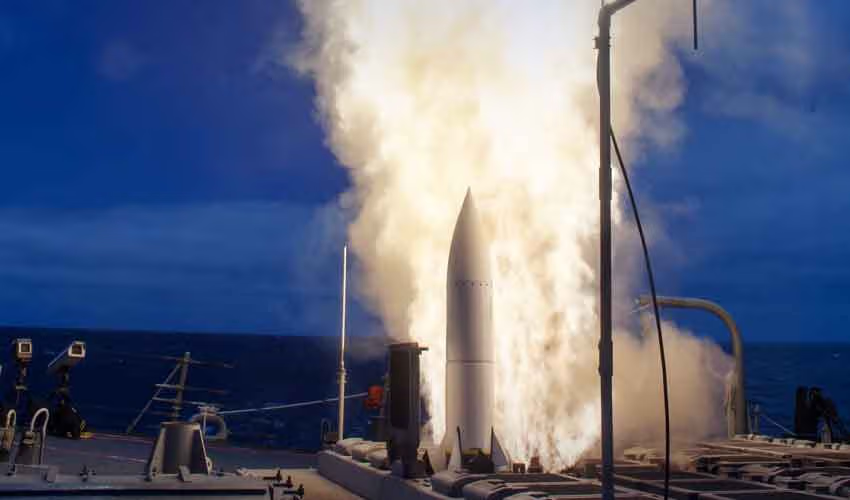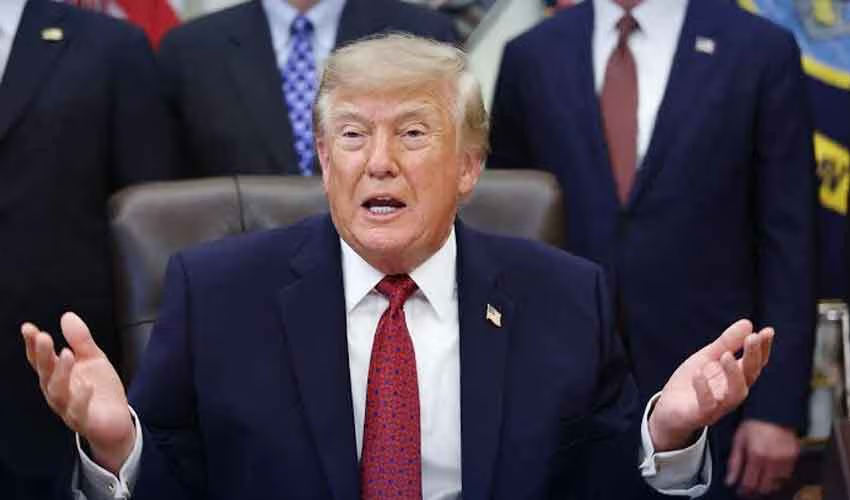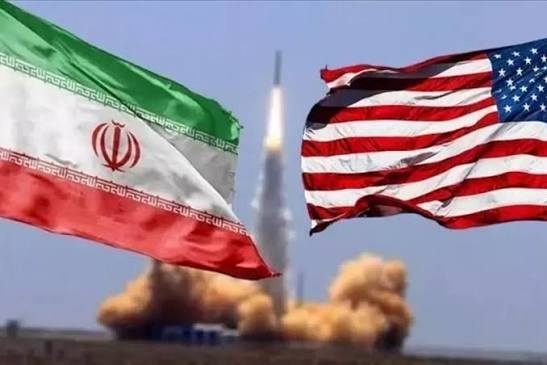
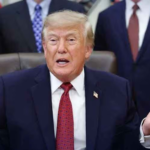
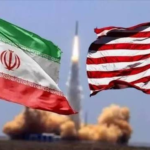

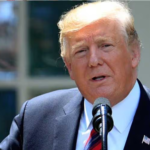

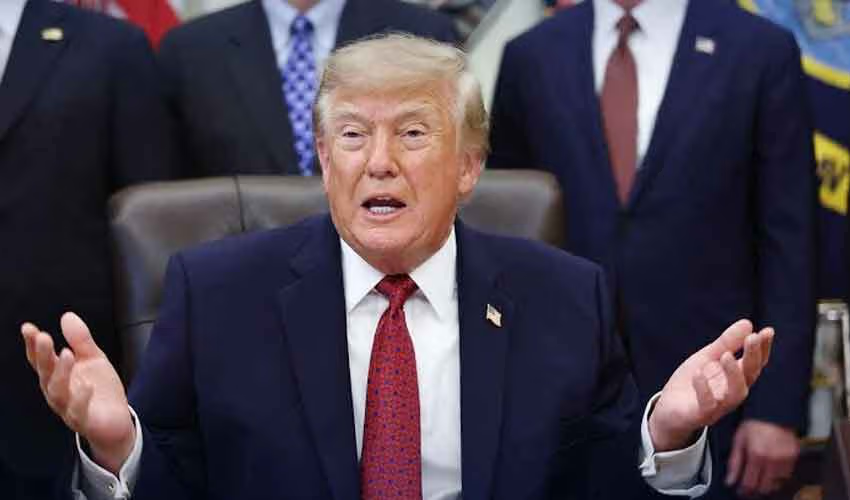
US President Donald Trump has again said the conflict with Iran will end soon, arguing that the outcome will come either through an agreement or continued military action.
Trump also predicted a significant decline in oil prices once the conflict is over, as global energy markets continue to deal with disruptions caused by the war and uncertainty surrounding supplies from the Middle East.
Speaking about the outlook for energy prices, Trump said crude could eventually return to levels seen before the conflict and potentially move even lower. He described the expected decline as potentially dramatic once the fighting ends.
The comments came as the Group of Seven countries moved to release emergency oil and refined-fuel reserves in an effort to ease pressure on global energy markets. The G7 said it would coordinate a release of 100 million barrels through the International Energy Agency over four months, with a substantial amount of diesel scheduled for release during the first 20 days.
Trump says Iran conflict will be resolved
Trump has continued to describe the Iran conflict as approaching a resolution, although he has not provided a specific timetable for when fighting might end.
He said the dispute would be settled “one way or the other,” pointing to either an agreement or further military action.
Trump also repeated his position that Iran must not obtain a nuclear weapon. The issue remains one of the central subjects in US statements about the conflict and negotiations involving Tehran.
The president also characterized Iran as facing severe economic and military pressure. Some of his statements about Iran’s economic conditions, including his claim that inflation has exceeded 300%, have not been independently established in the material available for this report.
Oil markets react as supply concerns ease
Oil prices have remained elevated during the conflict, but crude futures have recently moved lower as traders assess improving supply flows and international efforts to add emergency stocks.
Brent crude fell about 1.5% to around $100.80 per barrel after the G7 announcement, while West Texas Intermediate declined by more than 2.5% to roughly $90.40.
The market remains highly sensitive to developments involving the Strait of Hormuz, a major route for global energy shipments.
Although crude exports through the region have recovered significantly, refined petroleum products have faced greater disruption. The International Energy Agency said refined-product flows remain severely constrained, with diesel markets particularly affected.
Trump’s expectation of a much larger decline in oil prices is therefore tied closely to the eventual restoration of more stable energy flows and an easing of geopolitical risks.
G7 releases emergency fuel reserves
The G7’s latest decision is designed to provide additional supplies while markets remain under pressure.
Under the agreement, 100 million barrels of oil and refined products will be released through the IEA beginning immediately and continuing for four months. The plan includes a front-loaded release of diesel during the first 20 days.
The G7 also called for coordination of refinery maintenance schedules and encouraged countries with significant refining capacity to increase production of refined fuels where possible.
The group said it would avoid energy export restrictions between G7 members and urged producers not to introduce measures that could further tighten global supplies.
The move follows an earlier emergency stock-release program launched during the year in response to the energy disruption caused by the Iran conflict.
Trump rules out US diesel export ban
Trump had previously considered restricting US diesel exports as American fuel prices climbed.
On October 2, however, he said the United States would not impose a diesel export ban. The announcement came shortly after the G7 reached its agreement on emergency fuel releases.
Europe has become increasingly dependent on fuel supplies from outside the region as disruptions have reduced refined-product availability.
The IEA said the energy-market impact of the Strait of Hormuz crisis remains particularly serious in diesel markets. It also noted that attacks on Russian refineries have added to pressure on global refined-fuel supplies.
Venezuela becomes part of US energy strategy
Trump also pointed to Venezuela when discussing future US oil supplies and strategic reserves.
The White House has said the United States secured a major oil agreement involving Venezuelan reserves, including arrangements intended to provide the US with access to oil that could help replenish the Strategic Petroleum Reserve.
The administration has presented the Venezuela arrangement as part of a broader strategy to strengthen US energy supplies.
Trump has also said the United States is working to rebuild its strategic oil reserves after years of withdrawals, while increasing access to additional crude supplies.
Global fuel markets remain under pressure
Despite recent declines in crude prices, diesel markets remain considerably tighter than the crude market.
The IEA said Middle Eastern crude exports have recovered significantly, but refined-product flows remain heavily constrained. This distinction is important because crude oil must still be processed into products such as diesel and gasoline before reaching consumers and businesses.
The G7’s emergency release is therefore focused not only on crude oil but also on refined products, particularly diesel.
For consumers and industries, the eventual direction of fuel prices will depend on several factors, including the duration of the Iran conflict, shipping conditions through the Strait of Hormuz, refinery output, global inventories and the availability of refined petroleum products.