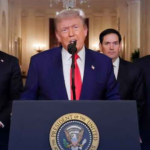


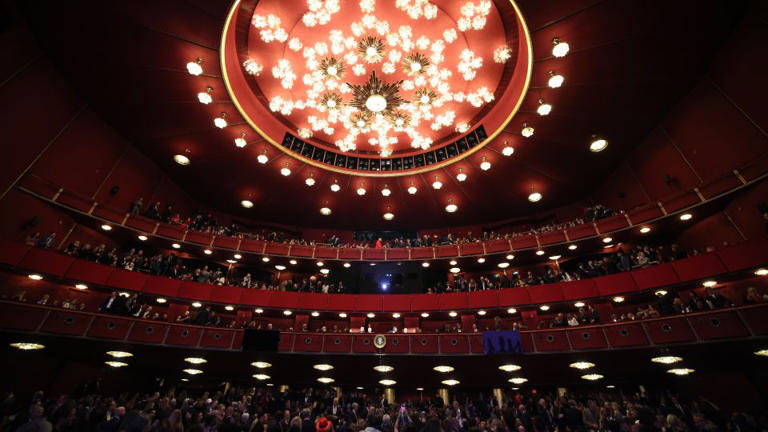
Washington, D.C. — President Donald Trump’s announcement to close the Kennedy Center for a two-year renovation has stirred controversy and left artists, performers, and patrons wondering about the future of the iconic performing arts venue.
The closure, announced via Trump’s social media, comes amid a turbulent relationship between the president and the Kennedy Center. During his first term, Trump famously skipped the Kennedy Center Honors, feeling slighted by performers. In his second term, he has tried to reshape the center to reflect his “MAGA” vision, turning what was once a cultural institution into a lightning rod for criticism.
Artists and Performers Left in Limbo
Staff learned of the closure through Trump’s Sunday night post, although internal discussions had reportedly considered a temporary shutdown at the end of the fiscal year for renovations. The move was also seen as a way to address financial struggles and declining ticket sales. According to The Washington Post, “Empty seats became a common sight at the center,” highlighting the waning enthusiasm among patrons.
Many performers have canceled events since Trump’s involvement grew more prominent, particularly after the president’s handpicked board added his name to the institution last December. Despite these cancellations, several events, including regular National Symphony Orchestra performances and musicals like Mrs. Doubtfire and The Outsider, remain on the schedule — leaving performers uncertain about their future engagements.
Charles T. Downey of the Washington Classical Review noted that Trump’s statement offered no insight into how the closure would impact the livelihoods of musicians and staff who regularly perform at the center. Similarly, it remains unclear what will happen to flagship events such as the Mark Twain Prize for American Humor or the Kennedy Center Honors, which may be affected by the ongoing construction of Trump’s new East Wing ballroom.
Critics Question Motives
Trump insists the renovations are necessary to fix a “dilapidated” building. However, critics argue that his personal involvement has driven patrons and performers away. Political commentator David Axelrod tweeted, “It’s not the decor that has driven performers away. It’s the decorator.”
Other observers have likened the Kennedy Center situation to Trump’s previous business ventures, noting a pattern of branding and vanity projects leading to decline. Brett Meiselas, co-founder of MeidasTouch, wrote, “Just like his casinos and other businesses, the Kennedy Center went out of business after he put his name on it.” Former GOP lawmaker Barbara Comstock added, “Instead of allowing the Center to return to its arts mission, he’d rather close it than admit his vanity project was rejected by the American people.”
Kennedy Center President Richard Grenell, a Trump loyalist, sought to reassure the public, tweeting that the closure would be “brief in retrospect” and that it “sets the stage for a stronger, revitalized National Cultural and Entertainment Complex.”
The closure has sparked debate about the balance between cultural preservation and political influence, leaving Washington’s arts community navigating an uncertain future under Trump’s increasingly visible footprint.