
Washington, D.C. — The Trump administration has voiced opposition to Israel’s recent plans to expand control over the occupied West Bank, warning that the moves could destabilize the region and hinder long-term peace efforts.
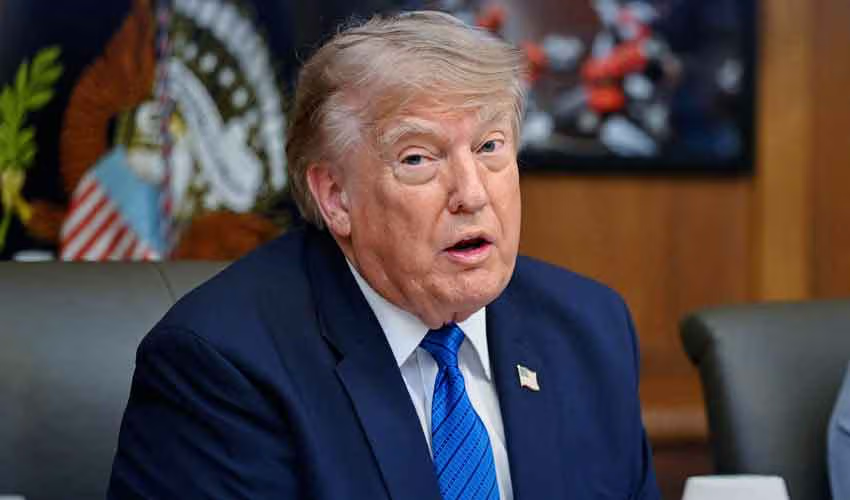
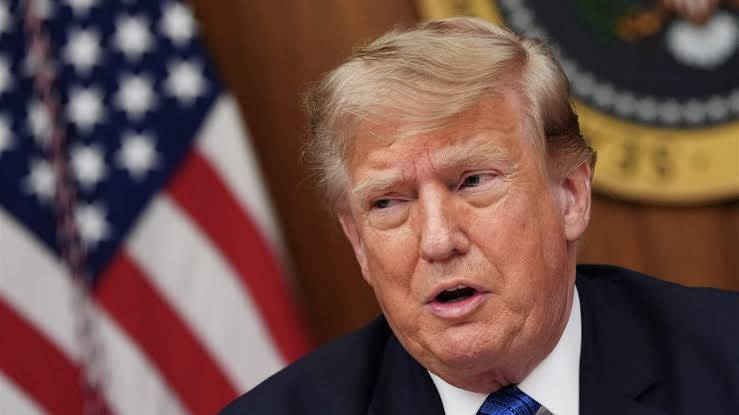
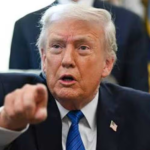
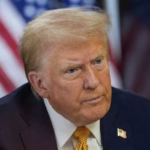
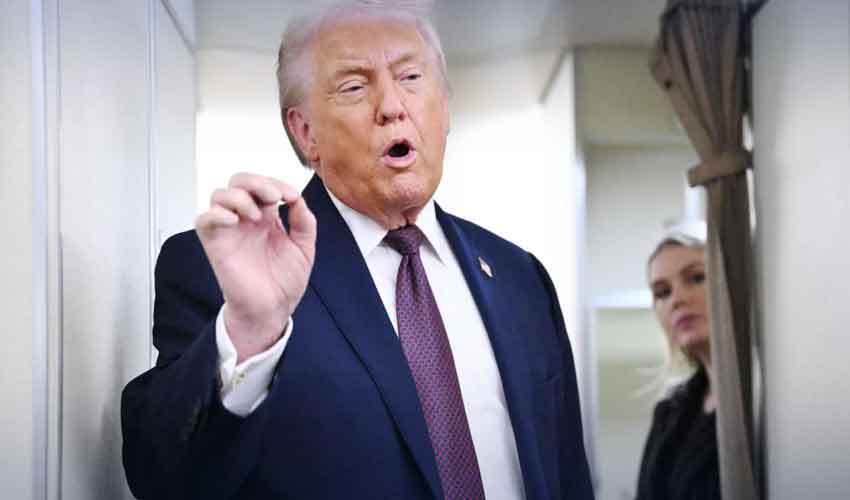
A White House official said Monday that President Donald Trump views the annexation measures as a threat to both Israel’s security and the broader Israeli-Palestinian peace process. “A stable West Bank keeps Israel secure, and is in line with this administration’s goal to achieve peace in the region,” the official told Reuters.
International Backlash Grows
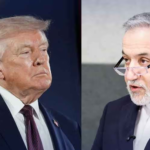
The controversial expansion by Israeli far-right ministers Bezalel Smotrich and Israel Katz includes transferring authority over building permits in Hebron to Israel, as well as increasing control over major religious sites such as Rachel’s Tomb near Bethlehem and the Cave of the Patriarchs in Hebron. These steps are widely considered illegal under international law.
Eight Muslim-majority countries—including Egypt, Indonesia, Jordan, Pakistan, Qatar, Saudi Arabia, Turkey, and the UAE—have condemned Israel’s actions. They denounced the expansion as an attempt to impose “unlawful Israeli sovereignty” and accelerate annexation while displacing Palestinians.
The United Nations, led by Secretary-General Antonio Guterres, also criticized the measures. UN spokesman Stephane Dujarric described the actions as “destabilising” and warned that they undermine the viability of a two-state solution.
European nations have echoed the condemnation. The United Kingdom urged Israel to reverse its decisions immediately, emphasizing that any unilateral alteration of Palestinian territories is “wholly unacceptable” and violates international law. Spain warned that the measures could provoke renewed violence in Gaza and disrupt ongoing ceasefire agreements.
Controversial Measures in Focus
Smotrich defended the annexation plans, claiming they “deepen roots in all regions of the Land of Israel and bury the idea of a Palestinian state.” Critics argue that such moves could spark further unrest and complicate diplomatic efforts to achieve a long-lasting peace in the region.
Analysts say the Trump administration’s stance reflects a rare deviation from previous U.S. policy of generally supporting Israeli government initiatives, highlighting concerns that unilateral annexation could escalate tensions across the Middle East.