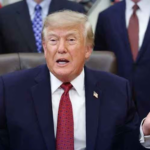
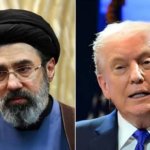

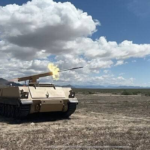
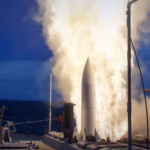
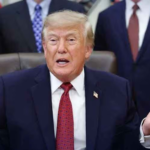
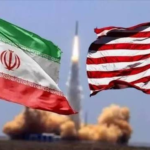
President Donald Trump is weighing whether the United States could resume major military operations against Iran before the November 3 midterm elections, with the Pentagon preparing potential options for the president, according to recent reports.
The White House has asked the Pentagon to develop possible strike plans against Iranian targets, while US officials continue to discuss the timing, scale and objectives of any potential operation.
No final decision has been made by Trump, and the administration has not announced that new strikes are imminent. The Pentagon has confirmed that its role includes developing and presenting military options to the president.
The reported planning comes after several weeks without known major US strikes on Iran and as Washington and Tehran continue indirect contacts over a possible ceasefire and the future of the Strait of Hormuz.
Pentagon Develops Potential Military Options
US Central Command, which oversees American military operations in the region, is reportedly working on possible scenarios for renewed action.
According to reporting by The Atlantic, the size and targets of any potential strikes remain under discussion. A White House official said Trump has all options available but did not specify whether the president was considering action before or after the elections.
NBC News has separately reported that Trump and his national security team discussed the possibility of restarting large-scale military operations in Iran during a meeting at Camp David. Military planners subsequently prepared new options for Trump to consider.
The Defense Department has not publicly confirmed a decision to restart the war. A Pentagon official said the department’s responsibility is to develop military options and present them to the president.
Election Timing Adds Political Pressure
The potential timing of renewed military action is particularly significant because Americans are preparing to vote in the November midterm elections.
Recent reporting suggests the Trump administration is facing pressure over the economic effects of the Iran conflict, especially elevated gasoline and diesel prices.
The possibility of another military campaign therefore comes with both security and economic considerations. A renewed escalation could potentially increase uncertainty in global energy markets, particularly if fighting threatens oil production or shipping through the Strait of Hormuz.
Brent crude moved above $105 a barrel on Thursday after reports that Trump was considering renewed attacks, highlighting how quickly military developments can influence energy markets.
The G7 has already announced plans to release 100 million barrels of oil and refined fuel products in an effort to increase supplies and ease pressure caused by the conflict.
Advisers Divided Over When to Strike
Not all members of Trump’s administration reportedly favor military action before the elections.
Some advisers believe waiting until after the November vote could be more appropriate, particularly because a renewed conflict could create additional risks for US troops and American allies.
A major escalation could also push gasoline and other energy-related costs higher at a time when inflation remains a major concern for voters.
The possibility of casualties among US forces is another factor being considered. A large military operation that produces significant American losses could create additional political pressure on the administration.
At the same time, supporters of renewed military action argue that targeted strikes could demonstrate US military strength and increase pressure on Tehran during stalled negotiations.
Iran Negotiations Remain Unresolved
Military planning is taking place while diplomatic efforts continue.
Washington and Tehran have been communicating indirectly through intermediaries, but major disagreements remain over the conditions for a ceasefire, Iran’s nuclear program and the reopening of the Strait of Hormuz.
The nuclear issue remains one of Washington’s central demands. Vice President JD Vance has said any agreement would need to include concrete limits on Iran’s uranium enrichment capabilities.
Iran, however, has continued to defend what it describes as its right to uranium enrichment, making the nuclear question one of the most difficult issues in negotiations.
Trump has repeatedly said Iran will not be allowed to obtain a nuclear weapon while also leaving open the possibility of a negotiated agreement.
Strait of Hormuz Remains a Major Flashpoint
The Strait of Hormuz remains at the center of the military and diplomatic dispute.
The narrow waterway is critical to international energy markets because large quantities of oil and other petroleum products normally pass through it.
Recent attacks involving commercial vessels have increased concerns about maritime security. A tanker was attacked off the coast of Qatar on Thursday, while Iran announced restrictions affecting some routes through the strait. Oil prices subsequently moved higher as traders assessed the potential impact on energy supplies.
US officials, meanwhile, have disputed Iranian claims of complete control over the waterway. Secretary of State Marco Rubio said the strait remained open and argued that oil flows had recovered to levels approaching those seen before the conflict.
Any renewed US military campaign could therefore have consequences beyond the battlefield, particularly for shipping, insurance costs and global crude prices.
Trump Has Left the Door Open to Renewed Military Action
Trump has previously suggested that US military operations could resume if negotiations fail.
Earlier this month, he said he expected the United States to win the conflict shortly after the midterm elections but added that it could happen before the vote. He has also indicated that military action remains an option if Tehran does not agree to US demands.
The latest Pentagon preparations do not mean that an attack has been ordered.
Instead, they indicate that the administration is preparing multiple scenarios while Trump considers whether diplomacy, economic pressure or renewed military operations can best achieve US objectives.
US-Israel Coordination Intensifies
Trump has also resumed more frequent communication with Israeli Prime Minister Benjamin Netanyahu as discussions over Iran’s future continue.
According to Axios, Trump’s national security team recently met at Camp David to discuss Iran, and preparations for possible major combat operations were subsequently advanced.
Israeli officials have also discussed the possibility of renewed military operations, particularly if negotiations fail to produce an agreement.
A wider conflict could carry significant regional consequences because Iran has previously threatened retaliation against US and Israeli interests if attacked.
For Washington, the decisions ahead involve several overlapping issues: Iran’s nuclear capabilities, military deterrence, the security of the Strait of Hormuz, global oil prices, US troops in the region and the approaching November elections.
For now, the Pentagon is preparing options while Trump retains the final decision over whether and when US forces could return to major combat operations against Iran.