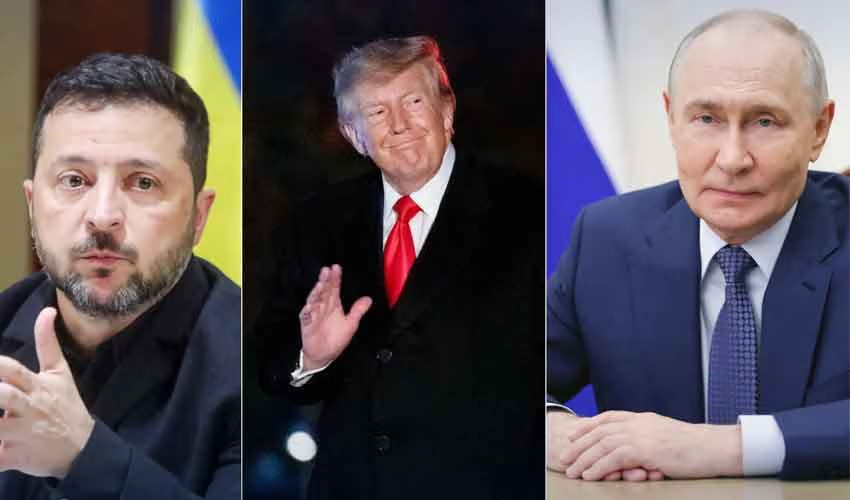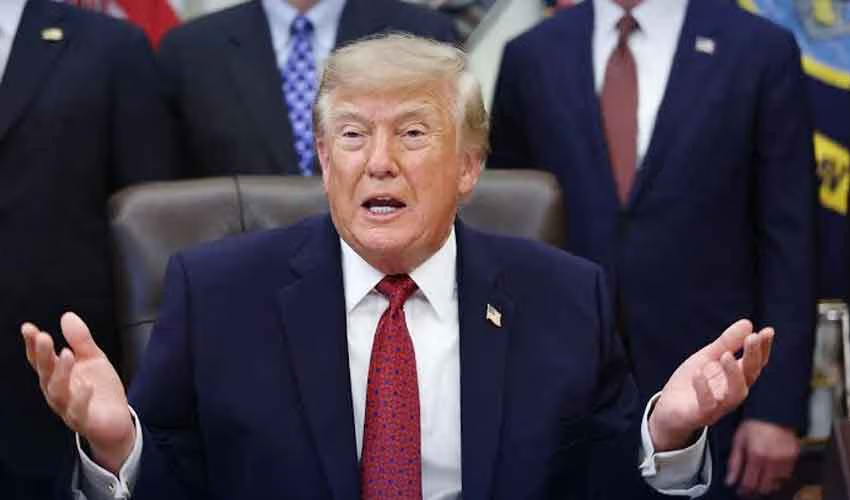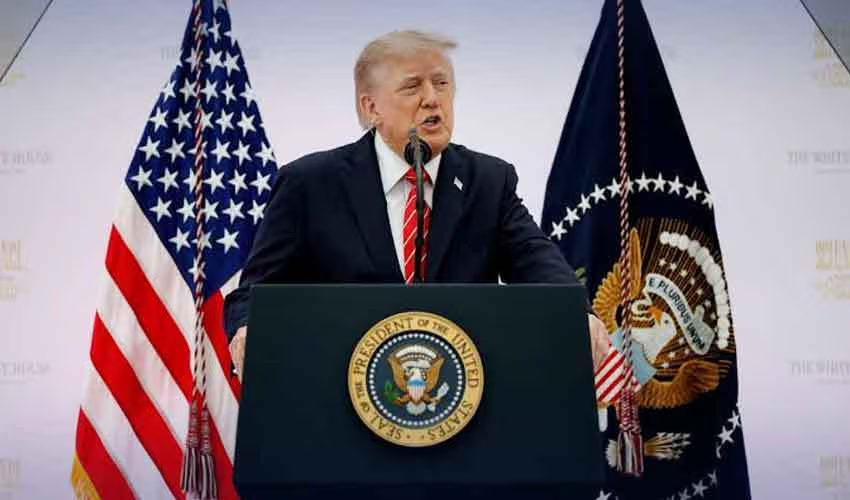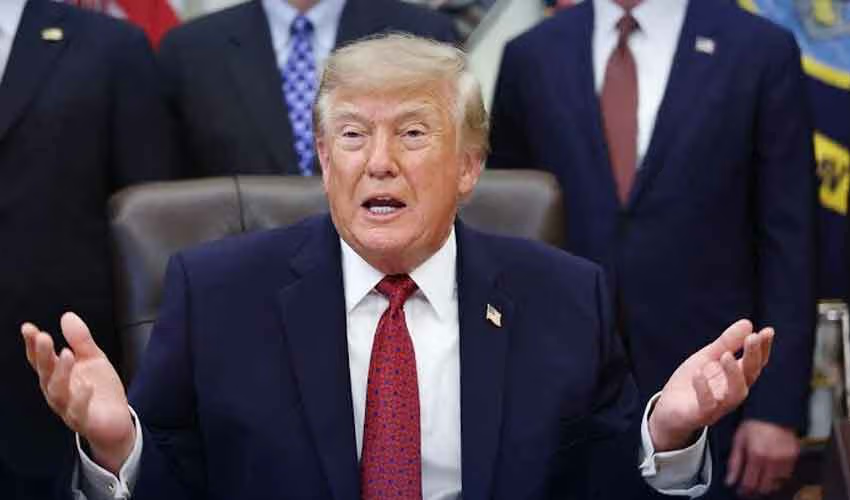
US President Donald Trump says he does not believe China or Russia is providing assistance to Iran in the ongoing war, arguing that both countries have too much to lose by becoming involved. His remarks come amid reports of potential military and economic support for Tehran and growing tensions across the Middle East.
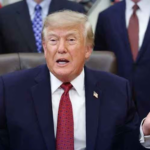
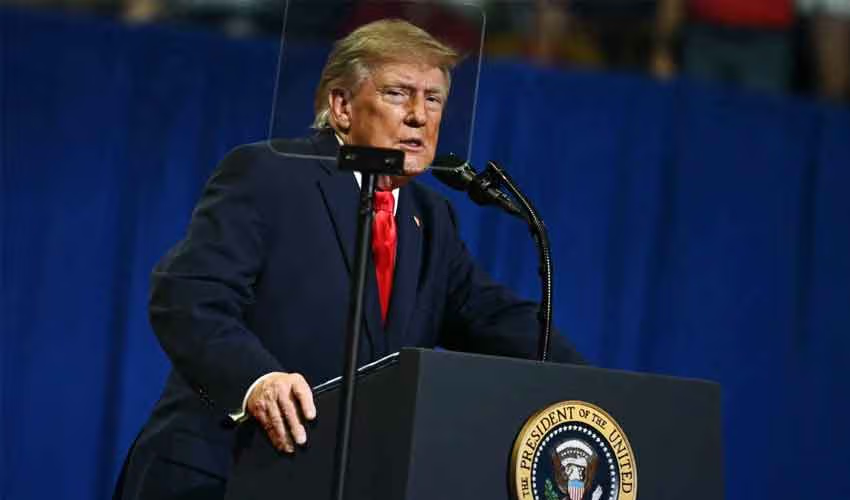
US President Donald Trump has dismissed claims that China and Russia are helping Iran in its conflict with the United States and Israel, saying he believes neither country is providing meaningful assistance to Tehran.
In a statement posted on his Truth Social platform late Monday, Trump responded to comments from political critics who suggested that Beijing and Moscow were supporting Iran during the war. He said that even if either country were offering assistance, it would likely be happening on a very limited scale.
The president also argued that both countries would face significant consequences if they became directly involved in supporting Iran, adding that Washington would quickly discover any such activity.
The comments highlight the complicated relationships among the United States, China, Russia, and Iran as the conflict continues to affect regional security, international diplomacy, and global energy markets.
Trump Dismisses Claims of Chinese and Russian Support
Trump addressed the allegations in a Truth Social post, saying he had seen claims from his opponents that Beijing and Moscow were assisting Tehran.
“If they are, it’s at a very low level, but I don’t believe they are at all. They have too much to lose, and we would know about it, and know about it very fast,” Trump wrote.
His statement indicated that he does not consider China or Russia to be actively supporting Iran in a significant way, although he did not provide specific intelligence or evidence to support that assessment.
The president’s remarks come as questions continue to emerge about whether Iran is receiving military equipment, intelligence, or other forms of assistance from countries that maintain close diplomatic and economic relationships with Tehran.
Neither China’s nor Russia’s broader relationship with Iran necessarily establishes that either country is directly assisting Iranian military operations in the current conflict.
Trump Previously Warned China and Russia Against Involvement
The latest comments are consistent with Trump’s previous public statements about Beijing and Moscow’s position in the Iran war.
In July, the president said he trusted Chinese President Xi Jinping and Russian President Vladimir Putin not to help Tehran. However, he also warned that any involvement by either country could lead to serious consequences.
Trump’s administration has continued to monitor the possibility of outside assistance to Iran as the conflict places additional pressure on US military and diplomatic priorities.
Last month, Trump reportedly warned Xi against providing support to Iran during a visit by the Chinese leader to Washington. According to the US ambassador to China, Xi provided assurances that Beijing would not assist Tehran.
The episode underscored Washington’s concerns about the potential role of major global powers in a conflict that could have consequences beyond the Middle East.
China and Russia Maintain Close Relations With Tehran
Although Trump has described China and Russia as neutral in the conflict, both countries maintain significant diplomatic and economic relationships with Iran.
Moscow has warned that the war could increase the risk of a nuclear arms race in the Middle East. Beijing, meanwhile, has condemned US attacks on Iran, describing them as a violation of Iranian sovereignty.
These positions illustrate the difference between opposing US military action and directly participating in Iran’s military campaign. Public criticism of Washington’s actions does not, by itself, establish that China or Russia is supplying weapons or intelligence to Tehran.
At the same time, the relationships among the three countries have attracted increased scrutiny as governments assess the potential impact of the war on international security.
Russia and Iran have developed closer cooperation in several areas, while China has maintained important trade and energy ties with Tehran. Those relationships have contributed to concerns in Washington about the possibility of indirect support, sanctions evasion, or transfers of military-related technology.
However, the specific allegations of assistance cited in recent reports remain separate from Trump’s public assessment that neither country is significantly involved.
Reports Raise Questions About Possible Military Assistance
Despite Trump’s comments, reports have previously raised concerns about possible Chinese assistance to Iran.
One allegation involved the supply of shoulder-fired air-defense missile launchers to Tehran. Other reports suggested that Chinese entities may have helped Iran find ways to continue selling oil despite international sanctions.
Such allegations have added to tensions between Washington and Beijing, particularly as the United States seeks to limit Iran’s military capabilities and economic resources.
Trump also dismissed a report in September claiming that Iran had obtained satellite imagery of a military base in Jordan from Chinese entities before an attack that killed three US service members in July.
The reported incident has drawn attention to the potential role of intelligence gathering and commercial satellite technology in modern conflicts. However, the allegations do not independently establish that the Chinese government directly supported the attack.
Iran War Raises Stakes for Global Security
The conflict began on February 28, when the United States and Israel launched attacks on Iran, according to the supplied report. Tehran responded with strikes against Israel and Gulf states hosting US military bases.
Subsequent US and Israeli attacks on Iran, alongside Israeli military operations in Lebanon, have caused extensive casualties and displacement, according to the material provided.
The widening conflict has raised concerns about the possibility of further escalation, particularly if additional countries become involved through military assistance, intelligence cooperation, or economic support.
For Washington, determining whether Beijing or Moscow is assisting Tehran remains an important part of assessing the conflict’s wider geopolitical implications.
Trump’s latest statement suggests that he believes the potential costs of involvement are too high for either country to risk direct support for Iran. Nevertheless, reports about possible weapons transfers, intelligence sharing, and sanctions evasion continue to keep the issue in focus as the war develops.