


Trump Says Iran Military Capability Has Been “Decimated”
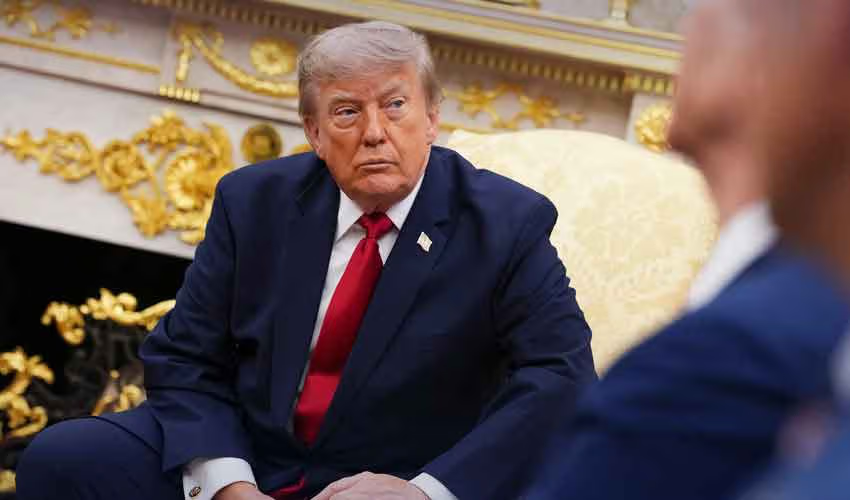
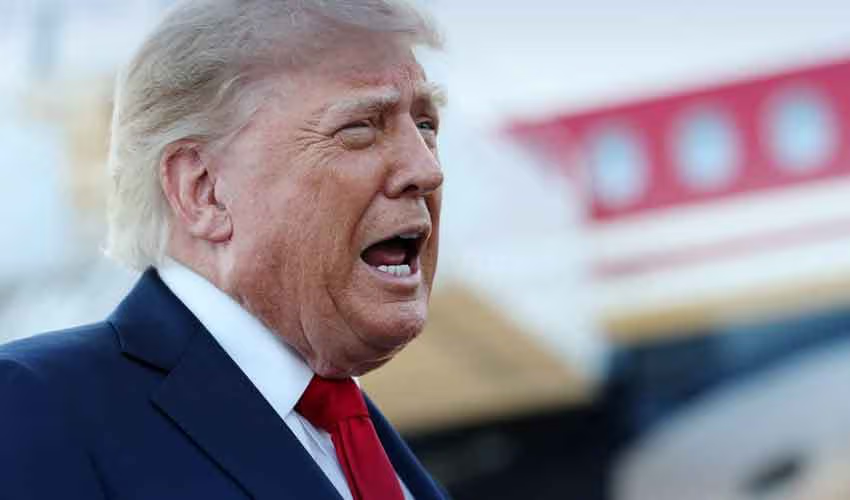
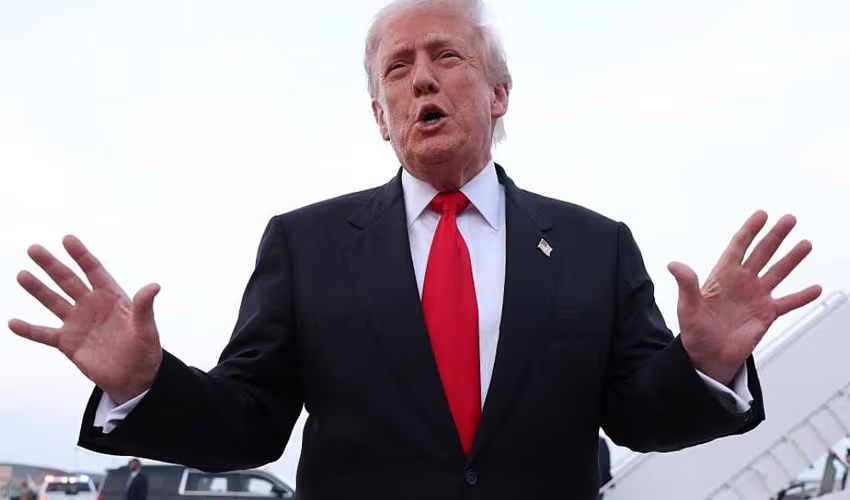
US President Donald Trump has launched a sharp attack on Democrats over their assessment of the ongoing Iran conflict, insisting that the war has left Iran militarily weakened across all major defense sectors.
In a series of posts on Truth Social, Trump claimed Iran no longer maintains an effective air force, navy, air defense systems, or radar infrastructure, arguing that its military capability has been significantly reduced during the conflict.
He also criticized political opponents in Washington who, according to him, argue that Iran is in a stronger position now than it was months ago.
“Can you imagine getting away with that? How stupid can some people be?” Trump wrote.
Trump Pushes Back on Domestic Political Critics
Trump’s remarks were aimed primarily at Democrats who have questioned the administration’s handling of the Iran war and ongoing negotiations.
He insisted that the United States has not rushed into diplomacy, arguing instead that Tehran has been the party seeking urgency in reaching a settlement.
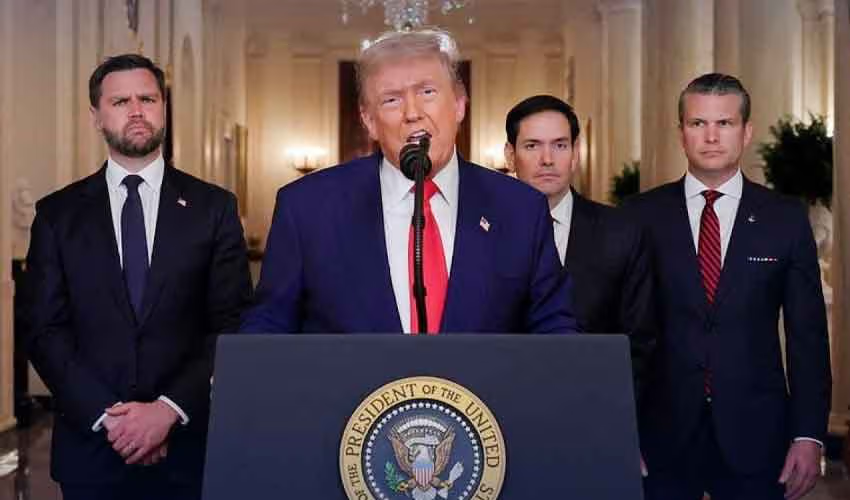
“We will complete the 60 days. They will not receive any money,” Trump stated, reinforcing his administration’s position that sanctions relief and financial access would only come after a finalized agreement.
The comments reflect ongoing political tensions in Washington as debate intensifies over US foreign policy direction in the Middle East.
Claims of Military Degradation in Iran
Trump repeated his assertion that Iranian defense systems have been severely degraded, including naval and aerial capabilities.
He described the situation as a turning point in the regional balance of power, suggesting that Iran’s ability to project force has been dramatically reduced since the start of hostilities.
Military analysts, however, note that independent verification of the full extent of damage remains limited due to restricted access to operational zones and ongoing conflict conditions.
Pakistan-Mediated Memorandum of Understanding Signed
In a major diplomatic development, Trump and Iranian President Masoud Pezeshkian electronically signed a 14-point memorandum of understanding aimed at de-escalating the conflict that began on February 28 involving the United States, Israel, and Iran.
The agreement outlines a 60-day negotiation period, with the possibility of extension, focused on reaching a comprehensive settlement covering Iran’s nuclear program and international sanctions.
Pakistan’s Prime Minister Shehbaz Sharif also participated as a mediator, underscoring Islamabad’s growing diplomatic role in regional peace efforts.
Strait of Hormuz Reopening Included in Framework
According to details shared around the memorandum, Iran is expected to reopen the strategically vital Strait of Hormuz immediately under the agreement’s terms.
In return, the United States would lift its naval blockade, easing maritime tensions that have disrupted global shipping routes and energy supply chains.
The Strait of Hormuz, one of the world’s most important oil transit chokepoints, has been a central flashpoint throughout the conflict, with repeated disruptions affecting global energy markets.
60-Day Negotiation Window Set for Final Deal
The memorandum establishes a structured timeline for negotiations, with both sides expected to work toward a final agreement within 60 days.
Extensions may be granted if progress is made, but officials emphasize that financial sanctions relief and full normalization will only occur after compliance milestones are met.
Trump reiterated that no economic concessions would be provided prematurely, maintaining a pressure-first approach to diplomacy.
Broader Political and Strategic Implications
The agreement and Trump’s public statements come amid heightened political debate in the United States over the handling of the Iran conflict and the broader Middle East strategy.
Supporters argue that sustained pressure has weakened Iran’s military posture, while critics caution that long-term stability will depend on verified diplomatic commitments and regional cooperation.
As negotiations continue, attention remains focused on the implementation of the memorandum, particularly its impact on nuclear oversight, maritime security, and energy markets linked to the Strait of Hormuz.