
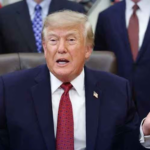
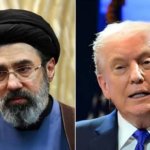
President Donald Trump has warned Yemen’s Houthi rebels over renewed attacks on Saudi Arabia, accusing the Iran-aligned group of trying to push oil prices higher ahead of the US midterm elections. Trump has not confirmed whether Washington will launch new military strikes, but he says a decision on Iran could come soon.
US President Donald Trump has issued a fresh warning to Yemen’s Houthi movement as missile and drone attacks on Saudi Arabia raise concerns about regional security, commercial shipping, and global energy supplies.
In a post on Truth Social on Tuesday, Trump accused the Houthis of resuming attacks after a period of relative calm following US military strikes against the group in Yemen last year. He suggested the renewed violence could be taking place at Iran’s direction and argued that the attacks were intended to increase oil prices before the November midterm elections.
Trump did not announce a new military operation against the Houthis. However, his remarks indicated that Washington was considering its options as the conflict involving Iran and its regional allies continued to develop.
Trump Accuses Houthis of Targeting Oil Prices
Trump described the Houthis as behaving badly and alleged that the group had returned to attacking Saudi Arabia at Iran’s request.
“The Houthis are behaving very badly,” Trump wrote, suggesting that Tehran could be influencing the group’s actions.
The president also accused the rebels of trying to push oil prices higher at a politically sensitive time for his administration. He did not provide evidence establishing that increasing fuel prices ahead of the US elections was the group’s objective.
Higher gasoline and diesel prices have become a concern for American consumers and businesses, while energy costs can also affect the political debate ahead of congressional elections.
Trump warned that he would not forget the latest attacks, indicating that a response could come after the elections if necessary.
“I’ll be there after the elections, and I will never forget!” he wrote.
The statement left open the question of what action the administration might take and whether any response would involve direct military intervention, diplomatic pressure, or coordination with regional partners.
White House Yet to Confirm New Military Strikes
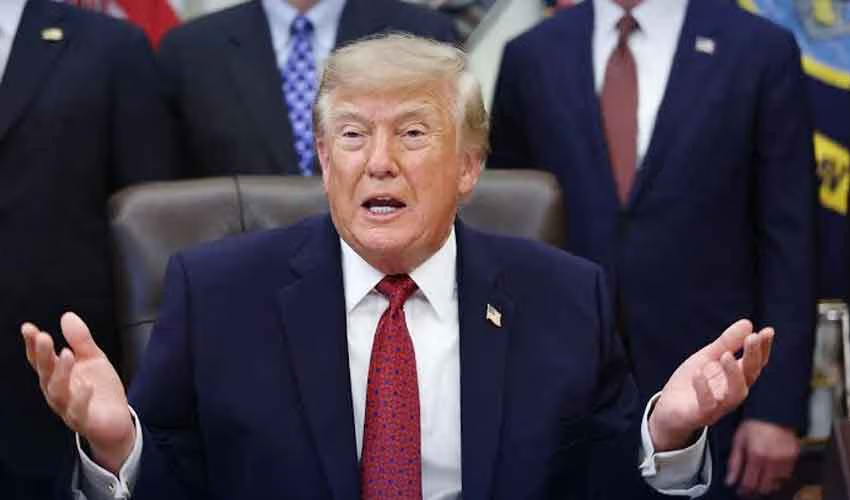
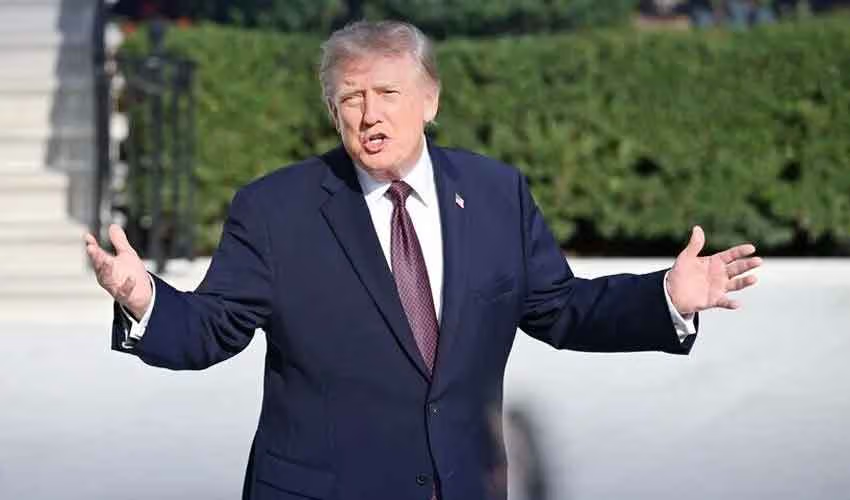
Speaking to reporters outside the White House on Tuesday, Trump declined to confirm whether the United States had decided to strike Houthi targets.
He reiterated his criticism of the group but did not disclose a military timetable or provide details about possible operations.
The comments followed earlier statements on Saturday and Monday in which Trump also condemned the Houthis over their attacks on Saudi Arabia.
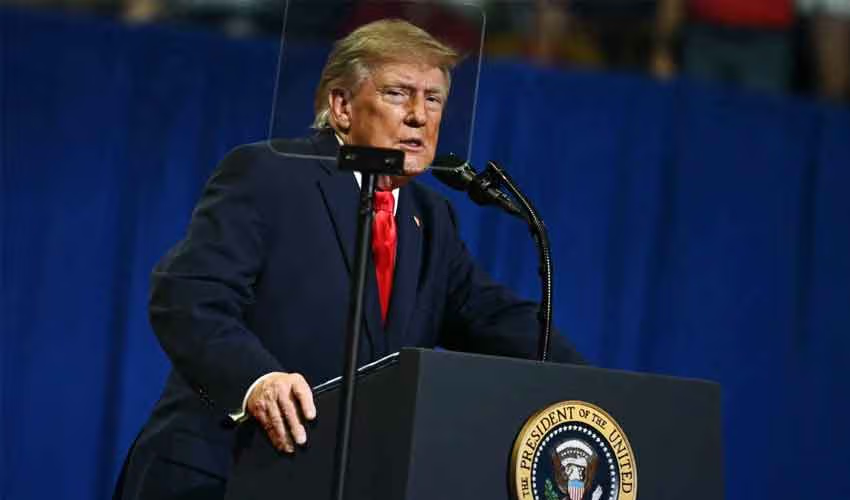
The latest remarks came as the president traveled for political events, including a rally in Wasilla, Alaska, ahead of the midterm elections.
Trump has previously authorized military action against the Houthis, whose attacks on commercial vessels and regional targets have raised concerns about the security of important maritime routes. However, his latest statements did not establish that another US campaign had been approved.
Saudi Arabia Faces Missile and Drone Threats
The renewed Houthi attacks have intensified security concerns in Saudi Arabia, particularly following reports of strikes targeting King Khalid International Airport in Riyadh.
The supplied report states that the attacks killed at least 13 people and injured more than 300. It also says Saudi authorities extended the suspension of airport operations until Saturday, disrupting travel and raising questions about the protection of civilian infrastructure.
These casualty figures and operational details should be checked against official Saudi statements and independent reporting before publication.
The Houthis control substantial territory in Yemen and have fought the Saudi-backed Yemeni government since 2014. The movement has also carried out attacks affecting shipping in the Red Sea, a critical corridor for international commerce.
The renewed violence comes amid wider regional hostilities involving Iran, the United States, Israel, and other Middle Eastern countries.
Trump Suggests Erdogan Could Help Saudi Arabia
Trump has also raised the possibility of seeking assistance from Turkish President Recep Tayyip Erdogan as Saudi Arabia confronts the Houthi threat.
Speaking to reporters, Trump expressed confidence in his relationship with Erdogan and suggested the Turkish leader would be willing to respond to a request for support.
“President Erdogan, I think, would do as I ask,” Trump said.
He did not specify whether he would seek military assistance, diplomatic cooperation, or another form of support from Türkiye.
Trump also confirmed that he had spoken with Saudi officials, including Crown Prince Mohammed bin Salman, about the situation. He declined to reveal details of those discussions.
Erdogan had separately spoken by telephone with the Saudi crown prince on Tuesday, according to Türkiye’s Communications Directorate. The Turkish government said Erdogan condemned the attacks, expressed condolences over the loss of life, and reaffirmed Türkiye’s support for Saudi Arabia.
“Türkiye will stand by Saudi Arabia in the coming period as well,” the directorate said in describing the message conveyed during the call.
The statement indicated Ankara’s support for Riyadh, although it did not establish that Türkiye had agreed to take part in a military operation against the Houthis.
Trump Says Decision on Iran Is Coming Soon
Trump’s warning to the Houthis also comes as Washington considers its next steps in the wider conflict with Iran.
The president told reporters that the United States would make a decision on Iran “very soon” but did not explain what action he was considering.
In his public remarks, Trump portrayed Iran as facing severe economic and military difficulties. He claimed that the country’s inflation rate had reached approximately 300% and described its military capabilities in highly critical terms.
Those statements represent Trump’s assessment and should not be treated as independently verified economic statistics or a complete description of Iran’s military capabilities.
The president also claimed that the United States controlled the Strait of Hormuz and said significant quantities of oil were moving through the waterway. The status of shipping and any restrictions affecting the strait are important factors in assessing the wider impact of the conflict on global energy supplies.
Red Sea and Bab al-Mandab Tensions Raise Energy Concerns
The Houthi threat extends beyond Saudi territory. Continued attacks on commercial shipping could disrupt trade through the Red Sea and the Bab al-Mandab Strait, one of the region’s strategically important maritime passages.
These routes connect shipping lanes between the Indian Ocean and the Mediterranean through the Red Sea and Suez Canal. Disruptions can force vessels to take longer routes, increase insurance premiums, and raise transportation costs for businesses.
For energy markets, the risks are particularly significant when attacks coincide with wider instability in the Middle East or concerns about oil shipments through the Strait of Hormuz.
Trump’s accusation that the Houthis are deliberately attempting to increase oil prices remains an allegation. Nevertheless, prolonged attacks on energy infrastructure or commercial shipping could place additional pressure on fuel markets regardless of the group’s stated intentions.
As Washington weighs its response, Saudi Arabia continues to seek regional support, while the possibility of further US action against the Houthis remains unresolved. Any escalation could have consequences for regional security, international shipping, and energy prices in the United States and beyond.