

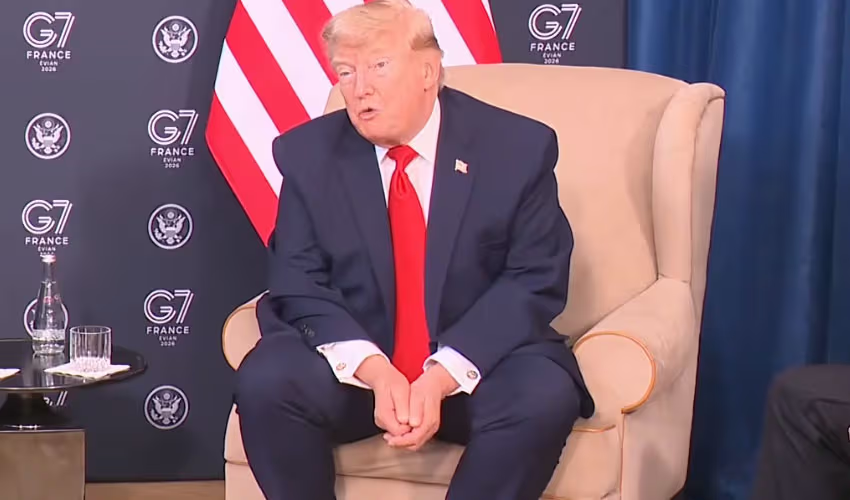
Trump Confident Iran Deal Will Hold Despite Regional Violence
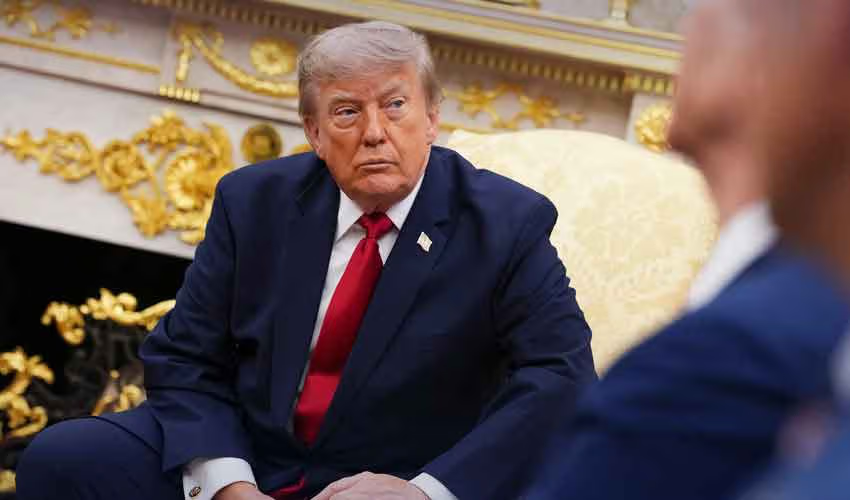
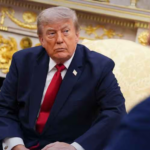
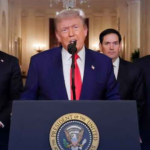
US President Donald Trump has said that the newly emerging agreement with Iran is strong enough to survive escalating tensions in the Middle East, including potential conflict between Israel and Hezbollah in Lebanon.
Speaking on the sidelines of the G7 summit in France, Trump said the broader diplomatic framework would remain intact even if violence intensifies in the region.
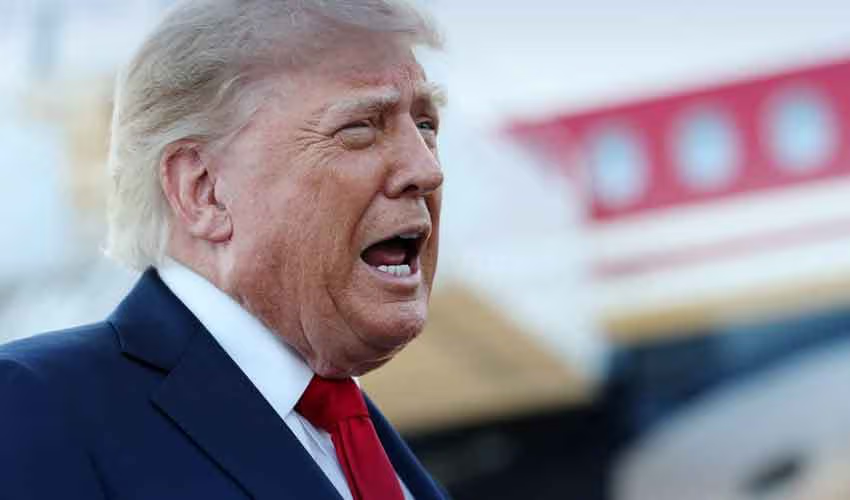
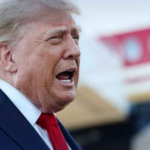
“It can,” Trump said when asked whether the deal could withstand an Israeli strike on Lebanon, describing the Hezbollah conflict as a “minor war” compared to broader concerns involving Iran.
He added that while regional flare-ups are concerning, they do not threaten the core structure of the agreement currently being negotiated.
Trump Criticizes Israeli Strike on Beirut Before Deal Finalization
Trump also publicly criticized Israel for conducting a strike on Beirut shortly before the Iran agreement was finalized, saying the timing was counterproductive to diplomatic progress.
“I didn’t like Israel’s attack on Beirut two hours before the signing of the agreement,” he said, adding that he personally communicated his dissatisfaction to Israeli leadership.
The comments highlight growing friction between Washington’s diplomatic push and ongoing military actions in the region, particularly in Lebanon where tensions involving Hezbollah remain high.
Nuclear Red Line: “All Hell Will Rain Down”
A central pillar of the agreement, according to Trump, is preventing Iran from acquiring nuclear weapons under any circumstances.
He reiterated that the deal clearly prohibits nuclear weapon development and warned of severe consequences if Tehran violates that condition.
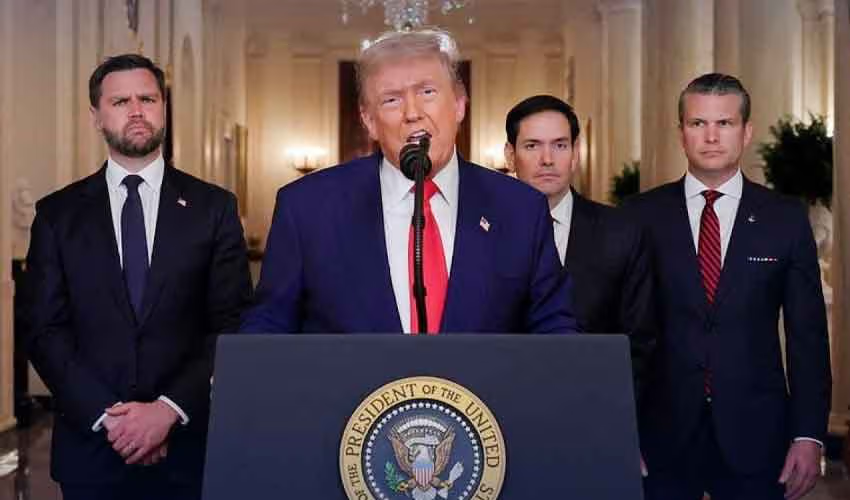
“All hell will rain down on Iran if they try to get a nuclear weapon,” Trump said, emphasizing that the United States will enforce the agreement strictly.
He added that Iran’s stated position of pursuing peaceful nuclear energy remains a key factor in ongoing negotiations, although Washington continues to push for strong verification mechanisms.
Qatar Praised for Key Mediation Role
Trump credited Qatar for playing a crucial role in facilitating negotiations between Washington and Tehran, calling the Gulf nation an essential diplomatic partner.
“We are very impressed with Qatar,” Trump said, praising its “bravery” and proximity to Iran, which he said helped bridge communication gaps during sensitive discussions.
Qatar has been widely involved in regional mediation efforts in recent years, particularly in conflicts involving Iran, Israel, and Gaza-related tensions.
Emir of Qatar Welcomes Breakthrough Momentum
Qatar’s Emir Sheikh Tamim bin Hamad Al Thani also welcomed progress in the talks during his meeting with Trump at the G7 summit, calling the agreement a potentially transformative step for regional stability.
He thanked Trump for his leadership and said momentum from the current deal could open the door to broader diplomatic achievements across the Middle East.
“There’s still a lot of work to be done, but with this momentum, I think we can achieve great things in the region,” the Emir said.
Doha also reaffirmed its commitment to continued mediation efforts between conflicting parties in the region.
US Claims Military Action Preceded Diplomatic Breakthrough
Trump said the United States had initially considered avoiding military action against Iran but claimed that earlier strikes were necessary due to security concerns.
“I didn’t want to attack them last week, but we had no choice,” he said, framing subsequent negotiations as a product of pressure and strategic positioning.
The statement reflects the administration’s dual-track approach, combining military deterrence with active diplomacy to push toward a final agreement.
Second Phase of Iran Talks Expected to Be Easier
Looking ahead, Trump expressed optimism that the next stage of negotiations would be smoother than the initial framework discussions.
“This deal should be successful,” he said, suggesting that remaining issues would be less complex once the core agreement is finalized.
US officials believe that implementation details, including monitoring mechanisms and phased sanctions relief, will form the basis of the next round of talks.
Lebanon Front Continues to Shape Regional Stability
The situation in Lebanon, particularly involving Hezbollah, remains a key variable in the broader diplomatic equation.
Despite Trump’s confidence that regional conflicts will not derail the agreement, analysts warn that ongoing clashes could still complicate enforcement and long-term stability.
The intersection of Iran negotiations, Israeli military activity, and Hezbollah operations continues to define one of the most volatile geopolitical landscapes in the world.
Diplomatic Effort Expands Across Gulf and European Partners
With Qatar playing a central mediation role and European venues hosting discussions, the Iran agreement has evolved into a multi-party diplomatic effort involving several regional stakeholders.
Officials suggest that continued coordination between Gulf states, European allies, and Washington will be essential to maintaining momentum as negotiations move toward finalization.
For now, all sides remain engaged as the agreement enters its most sensitive phase, with regional stability and nuclear restrictions at the center of discussions.