
Trump Credits China and Russia for Staying Out of Iran Conflict
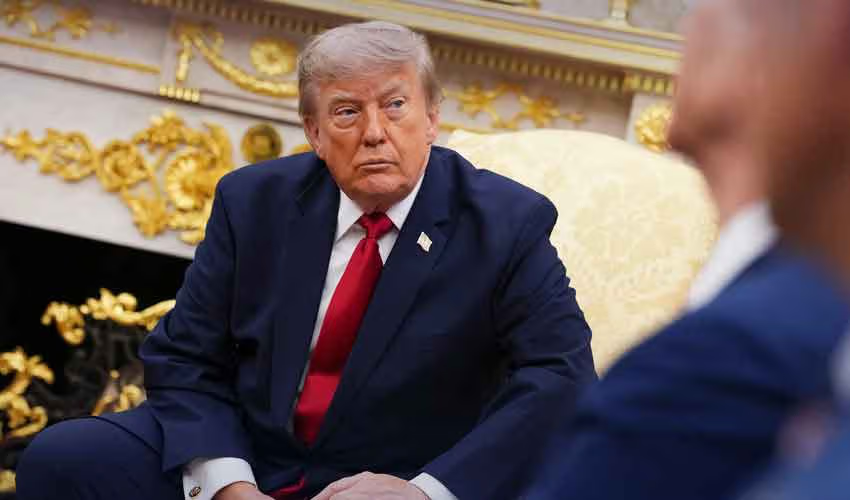
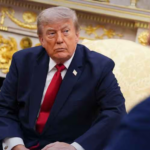
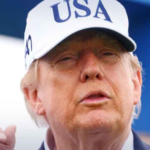
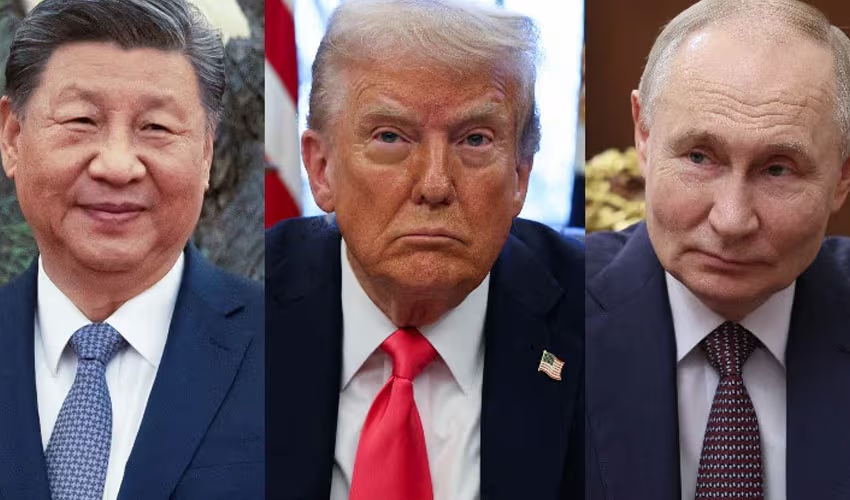
US President Donald Trump has publicly thanked Chinese President Xi Jinping and Russian President Vladimir Putin for what he described as a “neutral stance” during the recent US-Iran conflict, saying their restraint helped prevent further escalation.
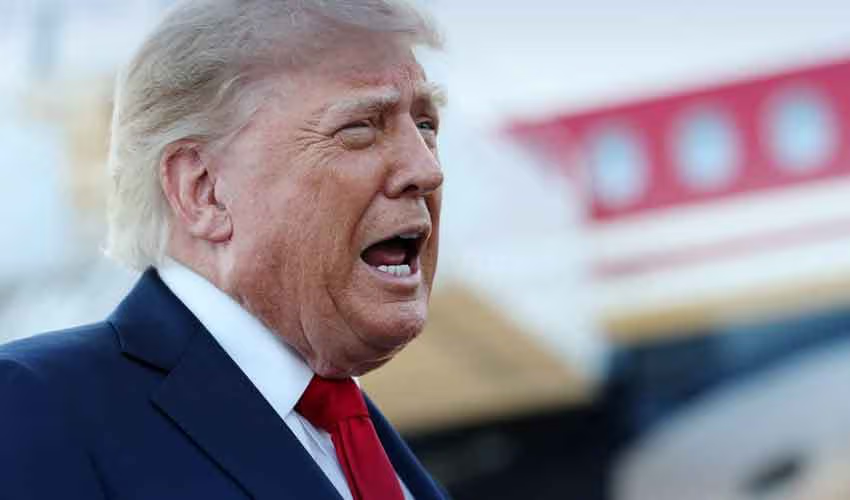
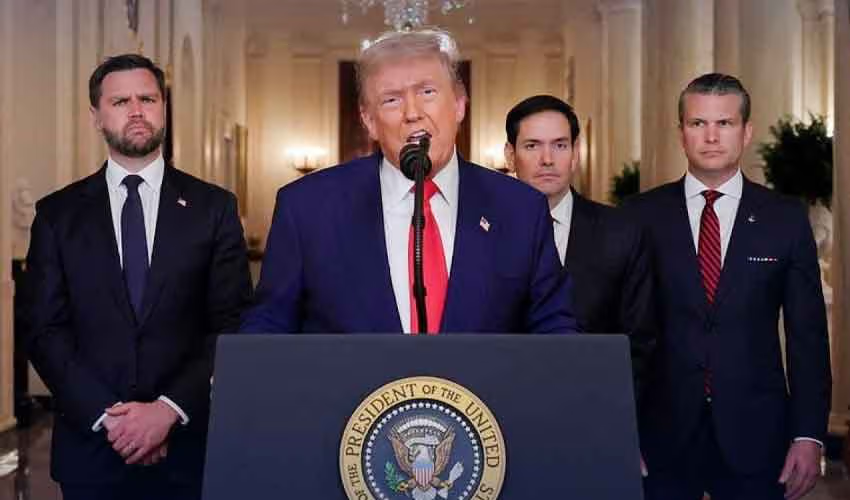
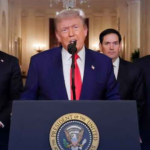
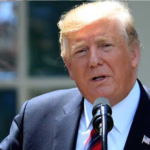
Speaking at a press conference during the Group of Seven summit in Evian-les-Bains, France, Trump said both leaders avoided actions that could have intensified the situation, including refraining from military or logistical support to Iran.
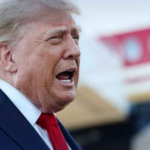
“I just want to thank them because they made it a lot better,” Trump said, adding that their non-interference contributed to the stabilization of the ceasefire environment.
Trump Says Global Powers Helped Prevent Escalation
According to Trump, both China and Russia could have influenced the conflict in ways that might have expanded it into a broader international crisis.
Instead, he said, their decision to remain neutral helped reduce pressure on ongoing negotiations between Washington and Iran.
He noted that their positions allowed the United States to focus on de-escalation efforts and maritime security in critical regions such as the Strait of Hormuz.
G7 Remarks Highlight Diplomatic Contrasts
During his remarks at the G7 summit, Trump emphasized that Xi Jinping remained “totally neutral” throughout the conflict and expressed appreciation for that stance.
He also stated that Russian President Vladimir Putin adopted a similar position, suggesting that both leaders avoided actions that could have complicated US military and diplomatic operations in the region.
The comments underscore shifting global alignments during the Iran crisis, where major powers outside the Western alliance played limited direct roles in the conflict.
Criticism of US Allies Over Support Levels
Trump’s praise for China and Russia came alongside pointed criticism of some traditional US allies, particularly in Europe and Asia.
He suggested that certain allied nations did not provide sufficient support during the conflict, especially in relation to maritime security operations and energy route protection.
The remarks reflect ongoing tensions within Western alliances over burden-sharing, defense coordination, and strategic priorities in the Middle East.
Strait of Hormuz Remains Central Strategic Concern
Trump also referenced continued concerns around the Strait of Hormuz, a critical shipping route for global oil and gas supplies.
The waterway has been a focal point of the US-Iran confrontation, with disruptions to maritime traffic raising global energy security fears.
International observers have repeatedly warned that any escalation in the region could have immediate consequences for oil prices and supply chain stability worldwide.
China and Russia Maintain Iran Relations
Both China and Russia maintain long-standing diplomatic and economic relationships with Iran, often positioning themselves as advocates for de-escalation and dialogue rather than military intervention.
Beijing has repeatedly criticized US strikes on Iranian territory, calling for respect for sovereignty and restraint.
Moscow has similarly warned that continued conflict risks destabilizing the broader Middle East and worsening global security conditions.
A spokesperson for China’s embassy in Washington reiterated that Beijing’s position remains focused on peace-building and diplomatic resolution.
Global Powers’ Role Shapes Post-Conflict Dynamics
Analysts note that the limited involvement of China and Russia in the Iran conflict may influence future negotiations and global power dynamics.
While Washington led military and diplomatic pressure campaigns, the absence of direct counter-intervention from other major powers contributed to preventing a wider global confrontation.
The situation highlights a rare moment of restrained great-power competition during a high-stakes regional conflict involving energy security, nuclear concerns, and maritime trade routes.
G7 Summit Becomes Stage for Strategic Messaging
Trump’s comments at the G7 summit reflect broader efforts to frame the US position as both assertive and diplomatically successful while acknowledging the role of global actors in limiting escalation.
As negotiations with Iran continue and regional tensions remain unresolved, the interplay between major world powers is expected to remain central to shaping the next phase of Middle East diplomacy.