Trump Expresses Confidence in US-Iran Negotiations
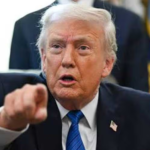
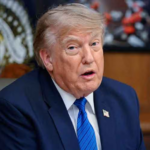
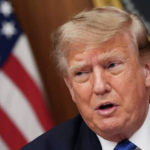
US President Donald Trump says his administration is making progress toward what he describes as a “fair deal” with Iran, even as major disagreements remain over nuclear inspections, sanctions relief, and regional security issues.
Speaking to reporters, Trump maintained an optimistic tone regarding ongoing negotiations, saying relations between Washington and Tehran have improved despite months of conflict and diplomatic tension.
“We’re trying to work out a fair deal with Iran,” Trump said. “We’re getting along well, and discussions are moving forward.”
The comments come as both countries attempt to transform a temporary framework agreement into a broader settlement that could reshape security dynamics across the Middle East.
Trump Repeats Nuclear Weapon Red Line
A central component of the negotiations remains Iran’s nuclear program.
Trump reiterated that the United States will never allow Iran to obtain a nuclear weapon and said his administration has applied extraordinary pressure to bring Tehran to the negotiating table.
According to Trump, any future agreement must include safeguards that permanently prevent Iran from developing or acquiring nuclear weapons.
The issue has become one of the most closely watched aspects of the talks, with international observers monitoring whether a verification mechanism can be established that satisfies both sides.
Disagreement Over Nuclear Inspections Intensifies
One of the biggest sticking points remains access for international inspectors.
Trump dismissed reports from Tehran suggesting that Iran has not agreed to expanded inspections, insisting that Iranian negotiators privately accepted the proposal.
“They’re wrong. They know they’re wrong,” Trump said. “We have it down, 100 percent, inspections.”
He argued that negotiations would not have advanced this far without Iran accepting inspection requirements.
However, Iranian officials continue to reject that characterization.
Tehran Rejects Claims of New Commitments
Officials in Iran have publicly denied making new commitments related to nuclear oversight.
Iran’s Foreign Ministry and state media outlets say Tehran has not agreed to any additional inspection obligations beyond existing arrangements.
The dispute has created uncertainty around what exactly has been agreed upon behind closed doors and highlights the fragile nature of the negotiations.
While Washington insists a breakthrough has occurred, Iranian leaders continue to signal that key issues remain unresolved.
IAEA Access Remains Limited
The role of the International Atomic Energy Agency remains central to future negotiations.
Although IAEA inspectors visited Iran’s Bushehr nuclear power facility earlier this year, the agency has not been granted access to several sites affected during the 2025 conflict involving Iran, the United States, and Israel.
Trump said inspectors would eventually return but declined to provide a timeline.
“It will happen at the appropriate time,” he told reporters.
That lack of clarity has raised questions among international analysts about how verification measures would be implemented under a final agreement.
Strait of Hormuz Emerges as Critical Bargaining Point
Beyond nuclear issues, the Strait of Hormuz remains one of the most important elements of the negotiations.
Trump said discussions surrounding maritime security and energy transportation have made significant progress.
According to the president, the framework agreement includes provisions aimed at keeping the strategic waterway open and easing restrictions that have disrupted global shipping.
He also claimed that approximately 19 million barrels of oil passed through the Strait of Hormuz in a single day, calling it a record level of activity since negotiations intensified.
The waterway handles a substantial portion of the world’s oil exports, making stability in the region essential for global energy markets.
Sanctions Relief Tied to Humanitarian Spending
As part of the evolving framework, Washington has reportedly agreed to a temporary 60-day sanctions waiver covering certain Iranian oil and petrochemical exports.
Trump emphasized that any financial relief would remain tightly controlled.
According to the administration, portions of Iran’s frozen assets may become accessible, but funds would be restricted to humanitarian purchases such as food, medicine, wheat, corn, and other essential goods.
Officials say the arrangement is designed to provide economic relief without giving Tehran unrestricted access to cash.
JD Vance Engages Gulf Partners as Talks Advance
Vice President JD Vance is also playing a role in regional diplomacy.
Vance recently arrived in the United Arab Emirates as part of a broader Gulf tour focused on strengthening support for the negotiations and addressing regional security concerns.
The administration believes backing from Gulf partners could help stabilize the agreement and encourage wider cooperation on issues ranging from maritime security to economic development.
Lebanon Remains a Sensitive Topic in Negotiations
Trump also acknowledged that discussions involving Lebanon continue to be part of broader regional talks.
The situation involving Hezbollah and ongoing tensions along Israel’s northern border remains a concern for negotiators seeking a comprehensive settlement.
While Trump suggested progress is being made, he offered few details about how Lebanon-related issues would be addressed in a final agreement.
Diplomats involved in the process continue to view the Lebanon file as one of the most complex challenges facing the negotiations.
Conflicting Narratives Keep Focus on Fragile Framework
Despite Trump’s confidence, Washington and Tehran continue to present different versions of what has been agreed so far.
The United States maintains that Iran has accepted inspections and nuclear restrictions, while Iranian officials insist that no final commitments have been made on those points.
Those conflicting narratives have left analysts, regional governments, and energy markets closely watching every development as negotiations move toward what both sides hope will become a comprehensive agreement.