

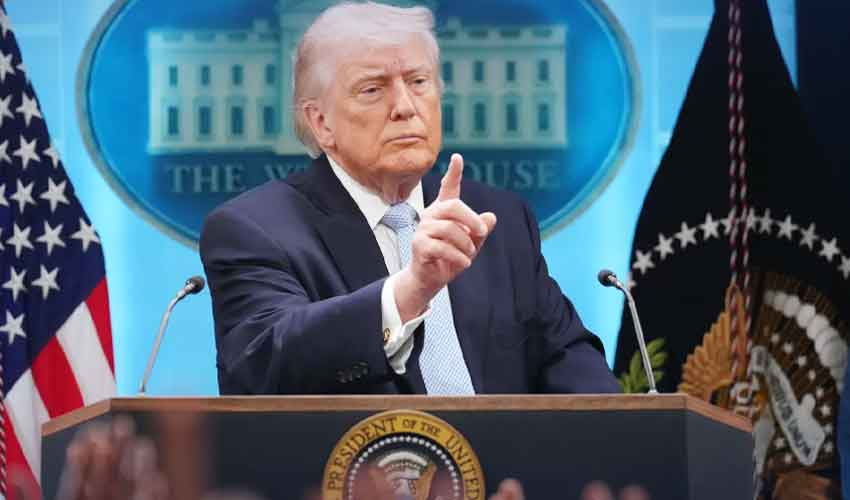
Trump Escalates Pressure on Iran With Fresh Nuclear Deal Warning
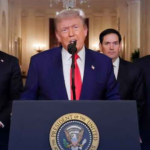
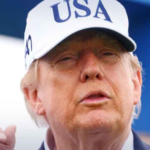
U.S. President Donald Trump has urged Iran to “get smart soon” and finalize a nuclear agreement, as tensions between Washington and Tehran continue to escalate alongside reports of a potential extended blockade of Iranian ports by the United States.
In a post on his social media platform Truth Social, Trump criticized Iran’s leadership, saying the country “couldn’t get its act together” and warning that it must agree to a non-nuclear arrangement quickly. The statement comes amid growing diplomatic deadlock and heightened military and economic pressure in the region.
Trump has repeatedly maintained that Iran must not be allowed to develop nuclear weapons, while leaving open the possibility of negotiations if Tehran returns to the table.
Report Suggests US Considering Extended Blockade Strategy
According to reporting from The Wall Street Journal, U.S. officials are preparing plans to extend a blockade targeting Iranian ports as part of a broader strategy to pressure Tehran economically.
The report suggests the move is being considered as an alternative to more direct military escalation, including renewed airstrikes or disengagement from the conflict entirely. Officials reportedly believe sustained economic pressure could force Iran into compliance with U.S. demands.
The proposed strategy has not been officially confirmed by the White House, but sources indicate it is part of ongoing internal discussions about next steps in the conflict.
Iran Demands Recognition of Uranium Enrichment Rights
Iran has continued to insist that any agreement must include recognition of its right to enrich uranium for peaceful purposes.
Tehran currently maintains a stockpile of approximately 440 kilograms of uranium enriched up to 60%, a level that could be further processed into weapons-grade material if refined further.
Despite international pressure, Iranian officials argue their nuclear program is intended for civilian energy use. However, Western governments remain skeptical about the program’s long-term intentions.
Strait of Hormuz Tensions Add Global Economic Pressure
Since the outbreak of conflict, Iran has reportedly restricted maritime traffic through the Strait of Hormuz, a critical global oil transit route. The disruption has raised concerns about energy security and international shipping stability.
The United States has also reportedly begun targeting Iranian shipping activity, further intensifying tensions in one of the world’s most strategically important waterways.
Iranian officials have stated the country is prepared to withstand economic pressure and claims it is using alternative trade routes to bypass restrictions.
War Deepens Political and Military Instability in Region
The ongoing conflict, which has lasted several months, has resulted in widespread casualties, disruption of global energy markets, and instability across international trade routes.
Negotiations have stalled, with Iran proposing that nuclear discussions be delayed until a formal ceasefire and broader conflict resolution are reached. However, U.S. officials have rejected that sequencing, insisting nuclear issues must be addressed immediately.
Meanwhile, intelligence agencies are reportedly analyzing how Iran might respond to different U.S. strategic scenarios, including unilateral political declarations regarding the conflict’s status.
Internal Power Shift in Tehran Reported
Reports suggest internal changes in Iran’s leadership structure following the deaths of senior political and military figures during strikes linked to the conflict.
Analysts believe this has increased the influence of hardline elements within the Islamic Revolutionary Guard Corps (IRGC), potentially reducing flexibility in negotiations with the West.
Such developments may further complicate diplomatic efforts as both sides remain entrenched in their positions.
Oil Markets React to Escalating Blockade Concerns
Global energy markets responded quickly to the renewed uncertainty, with oil prices rising nearly 3% amid fears that prolonged disruption of Iranian exports could tighten global supply.
Benchmark Brent crude reached its highest level in a month as traders reacted to the possibility of extended maritime restrictions and geopolitical instability in the Middle East.
The World Bank has also warned that continued disruption could lead to sustained increases in global energy prices in the coming years, particularly if the conflict extends beyond current projections.
Domestic Pressure Builds on Trump Administration
Within the United States, Trump is facing increasing political pressure as the conflict continues. Recent polling data suggests declining approval ratings amid concerns over economic conditions and foreign policy decisions related to the Iran situation.
The administration is balancing domestic political expectations with international security challenges as it considers its next steps in the evolving conflict.