

Trump Says Commercial Ships Are Returning to Strait of Hormuz
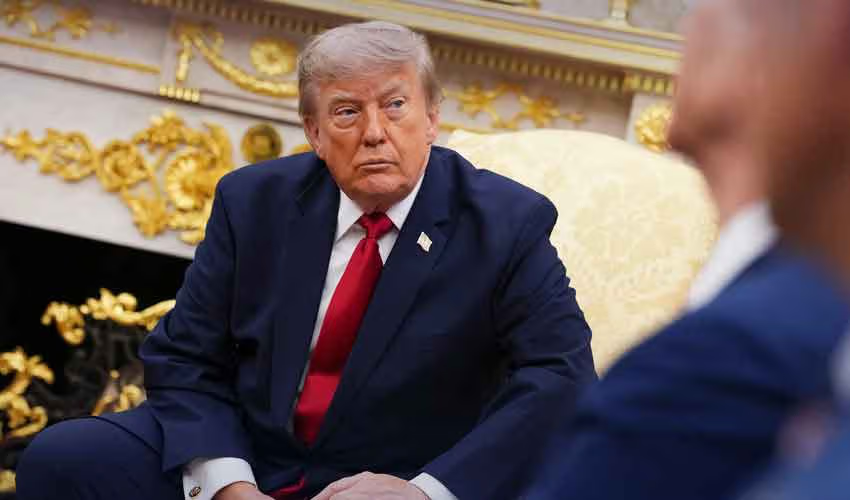
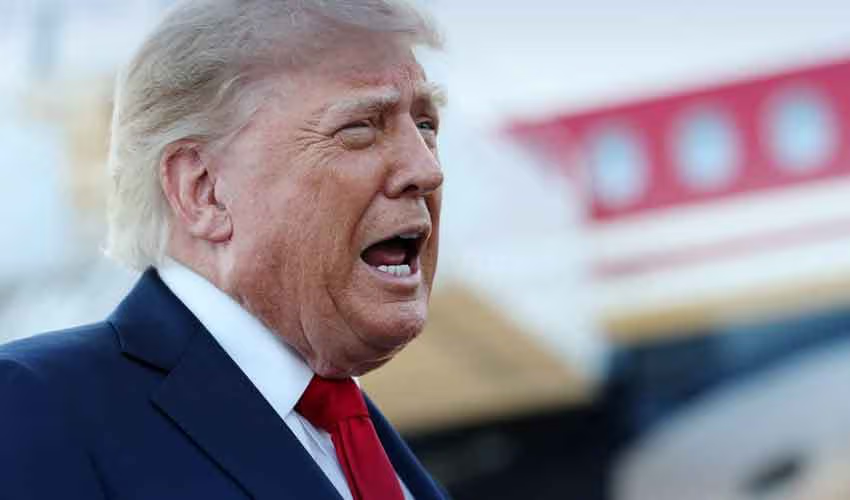
US President Donald Trump has claimed that commercial shipping is gradually resuming through the Strait of Hormuz, signaling what he described as a return toward normal maritime activity in one of the world’s most critical energy corridors.
In a post on Truth Social, Trump said vessels were once again “moving, many loaded up with oil,” and passing through what he called a “Southern Highway,” which he described as “totally safe, secure, and pristine.”
He also suggested that alternative maritime routes remain available for global shipping operators as the situation continues to stabilize.
The comments come at a sensitive moment as global markets closely monitor stability in the Gulf region, where tensions have repeatedly disrupted energy transport routes in recent months.
Strait of Hormuz Remains Key Global Energy Artery
The Strait of Hormuz, a narrow passage connecting the Persian Gulf to the Arabian Sea, handles a significant portion of the world’s oil exports and liquefied natural gas shipments.
Any disruption in the waterway has historically led to sharp movements in global energy prices, insurance costs, and shipping risk assessments.
Trump’s statement suggesting improved flow of tanker traffic has raised cautious optimism among market watchers, although independent verification of full normalization has not yet been confirmed by international maritime authorities.
Trump Links Shipping Stability to Diplomatic Momentum
The remarks come as Washington continues negotiations with Iran over a potential framework agreement aimed at reducing regional tensions and stabilizing maritime routes.
The administration has repeatedly tied progress in diplomacy to reopening or securing key energy corridors, including Hormuz, which has been at the center of recent geopolitical tensions.
Trump has argued that restoring shipping stability is essential to lowering global energy prices and preventing further escalation in the region.
JD Vance: Negotiations “Delicate” but Advancing
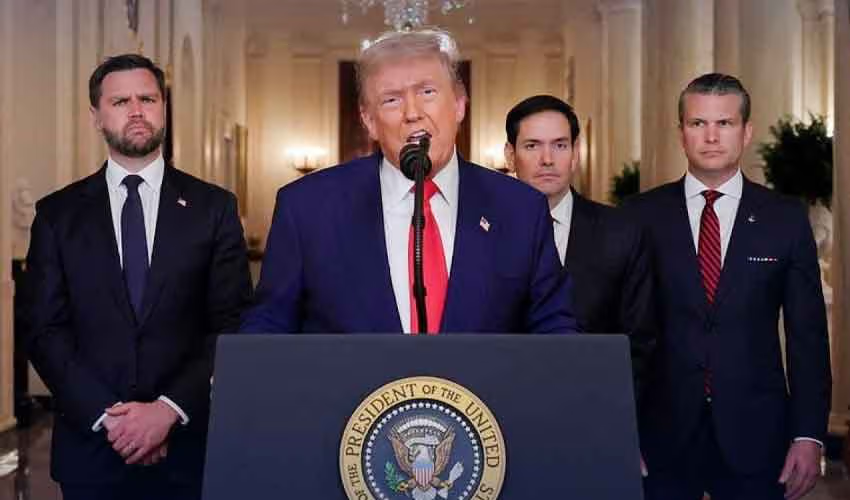
US Vice President JD Vance described the ongoing talks as “delicate,” noting that it remains unclear how far Tehran is willing to go in terms of compromise.
He said discussions are continuing and expressed optimism that a draft of the agreement could be made public within the week, though he cautioned that nothing has been finalized.
Vance emphasized that the process is still evolving, with negotiators working through key issues related to security guarantees, sanctions relief, and regional stability.
Signs of Regional Political Alignment Emerging
Vance also suggested that some elements within Israel are showing support for the emerging diplomatic framework, signaling potential shifts in regional dynamics.
He added that Israel is expected to have a role in broader discussions about what he described as a “new Middle East,” although he did not provide specific details on the structure or participants involved.
Analysts note that any inclusion of regional stakeholders in Iran-related negotiations could represent a broader attempt to build a multi-party security arrangement across the Gulf and Levant regions.
Maritime Activity Closely Watched by Global Markets
Energy traders and shipping companies are closely monitoring developments in the Strait of Hormuz, where even minor disruptions can have immediate global consequences.
A sustained return of oil tankers to the route could ease pressure on global supply chains, potentially stabilizing prices after months of volatility tied to regional tensions.
However, maritime analysts caution that the situation remains fragile, with security conditions still dependent on ongoing diplomatic and military developments.
Diplomatic Framework Still Under Construction
While both Trump and Vance have signaled progress, officials stress that the agreement is still in draft form and subject to further negotiation.
Key sticking points reportedly include verification mechanisms, sanctions relief timelines, and guarantees related to non-escalation in surrounding conflict zones.
Despite uncertainty, the administration continues to frame the talks as one of the most significant diplomatic efforts in recent years aimed at reshaping security and energy stability in the Middle East.
Global Energy Stability Hinges on Final Deal Outcome
Any final agreement involving Iran is expected to have wide-ranging implications for global oil markets, shipping logistics, and geopolitical alliances.
If confirmed, improved stability in the Strait of Hormuz could help ease inflationary pressure linked to energy costs, while also reducing insurance premiums for maritime transport.
For now, both Washington and Tehran remain engaged in negotiations as markets and governments await clearer signals on whether the tentative progress will translate into a formal agreement.