

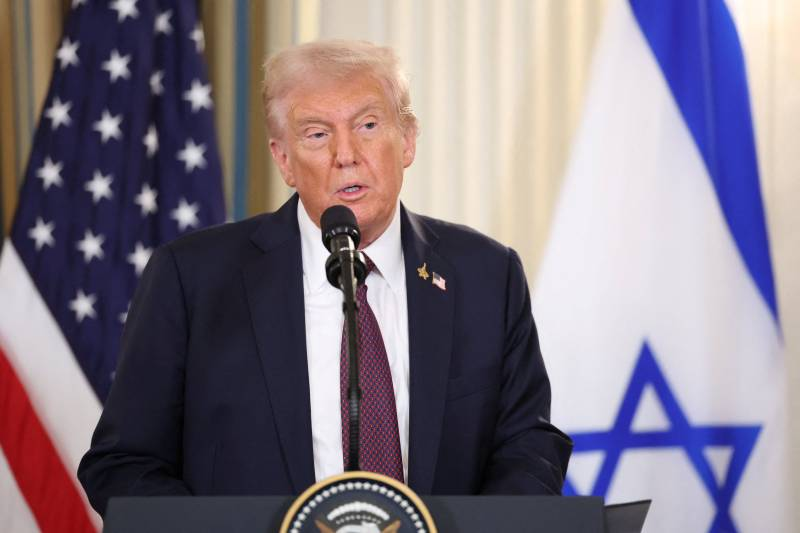
Trump Links Iran Peace Push to Wider Middle East Normalization Drive
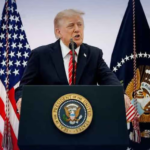
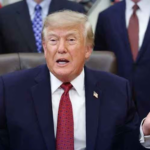
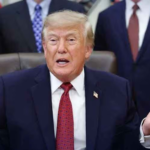
US President Donald Trump has called for a sweeping expansion of the Abraham Accords, urging multiple Muslim-majority countries to normalize relations with Israel as part of what he described as an emerging Iran peace framework.
In a lengthy post on Truth Social, Trump said that efforts to end the Iran conflict should go beyond a narrow ceasefire agreement and instead reshape diplomatic relations across the Middle East.
He argued that normalization with Israel should be treated as a core component of any broader regional settlement involving Iran.
Countries Named in Trump’s Proposal
In his statement, Trump listed several nations he said were part of recent diplomatic discussions related to the Iran conflict.
These include:
- Saudi Arabia
- United Arab Emirates (already part of the Abraham Accords)
- Qatar
- Pakistan
- Turkiye
- Egypt
- Jordan
- Bahrain (already a member of the Accords framework)
Trump said these countries should, at minimum, “simultaneously sign onto the Abraham Accords” as part of a broader peace arrangement.
He added that while exceptions might be made in some cases, most nations should be prepared to join if they want to be part of what he called a historic settlement effort.
Abraham Accords Reintroduced as Key Diplomatic Tool
The Abraham Accords, originally brokered during Trump’s first term in 2020, established diplomatic normalization between Israel and several Arab states, including the UAE and Bahrain.
The agreements were widely praised in Western diplomatic circles as a breakthrough in Middle East diplomacy, marking a shift away from decades of limited formal ties between Israel and parts of the Arab world.
However, the accords remain politically sensitive across the region, largely because they do not directly address the Israeli-Palestinian conflict, which continues to shape public opinion and regional politics.
Trump Urges Saudi Arabia and Qatar to Lead Process
In his post, Trump emphasized that Saudi Arabia and Qatar should take the lead in signing the accords, suggesting their participation would encourage others to follow.
He stated that failure to join could signal “bad intention,” implying that participation in the normalization process could be tied to broader diplomatic alignment in the Iran peace negotiations.
The remarks reflect Trump’s broader strategy of linking security arrangements, economic cooperation, and diplomatic normalization into a single regional framework.
Regional Diplomacy Under Growing Pressure
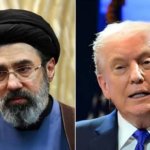
The proposal comes amid intensified international efforts to de-escalate tensions surrounding Iran, where ongoing talks have involved multiple intermediaries including Pakistan and Qatar.
Trump’s comments suggest a widening scope for negotiations, moving beyond nuclear and military issues to include long-standing geopolitical alignments in the Middle East.
Analysts note that while the Abraham Accords remain a significant diplomatic reference point, expanding them to include additional countries could face political resistance, particularly in states where public sentiment toward Israel remains deeply divided.
Strategic Shift Toward Broader Peace Framework
By tying the Abraham Accords to Iran-related diplomacy, Trump appears to be pushing for a broader regional restructuring rather than a limited bilateral or multilateral ceasefire arrangement.
The approach signals an attempt to convert short-term conflict de-escalation efforts into a long-term geopolitical realignment across the Middle East.