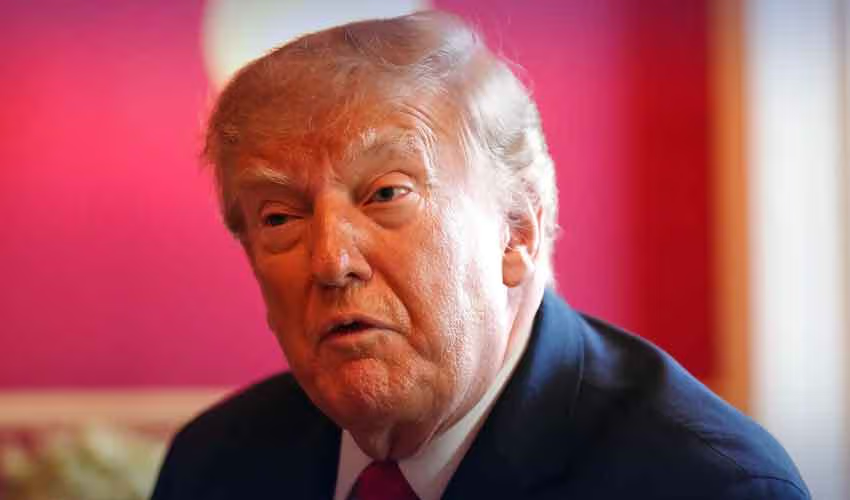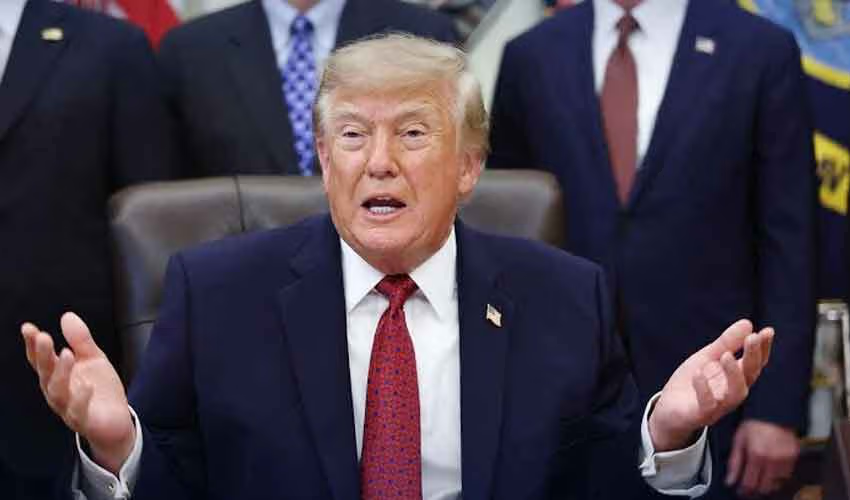
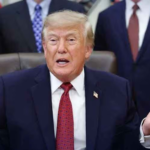
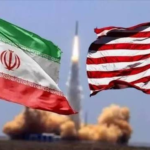
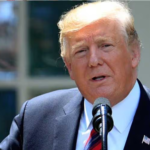
President Donald Trump has announced a sweeping new economic pressure campaign against Iran, threatening what he described as an unprecedented level of economic warfare and international isolation.
In a post on Truth Social, Trump accused Tehran of failing to take advantage of an opportunity to reach a deal with Washington and warned that the United States would significantly increase pressure on Iran.
Trump said countries, companies and financial institutions that continue providing economic or logistical support to Tehran could also face severe consequences.
Trump Warns Countries Supporting Iran
Trump described the planned campaign as “Economic Warfare and Isolation on an unprecedented scale.”
The president warned governments and businesses against providing Iran with what he called “any type of lifeline.”
His warning specifically mentioned financial institutions, businesses, airports and government entities that could help Iran maintain economic activity.
Trump also demanded an end to several methods he said were being used to keep Iranian commerce functioning, including oil smuggling, cash transfers, exchange houses, ship registries, financial swap arrangements and the use of front companies.
“It all needs to stop NOW,” Trump said, describing the campaign as an “Economic D-Day.”
However, Trump did not provide a detailed list of the new measures or specify which countries could face penalties.
New Pressure Builds on Long-Running Iran Sanctions
The latest threat expands on Washington’s decades-long campaign of economic pressure against Tehran.
The United States has maintained extensive sanctions against Iran, targeting government entities, businesses, financial institutions and individuals accused of supporting activities Washington considers a threat to US national security.
Trump’s latest warning comes as efforts to resolve the broader US-Iran confrontation remain stalled.
The supplied material says a 60-day ceasefire expired on Monday without a clear diplomatic or military path toward ending the conflict.
The confrontation has already had consequences beyond Iran and the United States, particularly because of disruptions involving the Strait of Hormuz.
The strategically important waterway normally carries a significant share of global oil and energy shipments, meaning prolonged restrictions can affect international fuel prices, shipping costs and financial markets.
Iran Rejects Trump’s Economic Warfare Threat
Iranian Foreign Minister Abbas Araghchi has strongly rejected Trump’s latest announcement.
In a statement on X, Araghchi accused Washington of using economic pressure to distract attention from problems inside the US economy.
He pointed to America’s debt burden and rising interest costs while arguing that continuing the US pressure campaign would ultimately hurt Washington’s interests.
Araghchi described US economic pressure as “economic terrorism” and said it threatened the sovereignty of countries around the world.
The Iranian foreign minister also argued that harsher sanctions would not force Tehran to accept US demands.
Instead, he said, continued American pressure could increase anti-US sentiment among Iranians.
Iranian Media Dismisses Trump’s Announcement
Iranian state and semi-official media outlets also pushed back against the announcement.
IRIB, Iran’s state broadcaster, characterized Trump’s latest declaration as another response to what it described as the failure of US military aggression.
The semi-official Tasnim news agency argued that the measures represented a continuation of Washington’s existing efforts to restrict Iran’s economic and financial relationships.
Iranian media outlets have repeatedly argued that Tehran has developed methods for circumventing US sanctions after decades of economic restrictions.
Tasnim claimed that Iran had become increasingly experienced at working around American financial and trade restrictions.
The semi-official Fars news agency went further, dismissing Trump’s claims as unrealistic and arguing that Washington has repeatedly predicted an imminent Iranian collapse without producing the results it expected.
Trump Leaves Details of New Measures Unclear
Despite the severity of Trump’s language, the exact scope of the proposed economic campaign remains uncertain.
The president did not identify specific new sanctions, financial restrictions or penalties that would be imposed on countries continuing to trade with Iran.
He also did not name individual governments that could be targeted.
The uncertainty could be particularly significant for countries involved in diplomatic efforts between Washington and Tehran.
If the United States begins penalizing third-country businesses, banks or government entities for maintaining economic ties with Iran, the new campaign could create additional tensions between Washington and some of its international partners.
Iran Issues Warning Over Military Capabilities
The economic confrontation is unfolding alongside renewed warnings from Iran’s Islamic Revolutionary Guard Corps about its military capabilities.
Iranian Revolutionary Guard officials said the country’s weapons would be different if another conflict broke out.
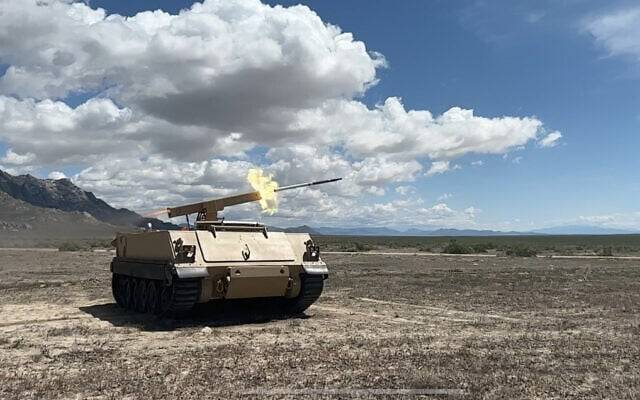
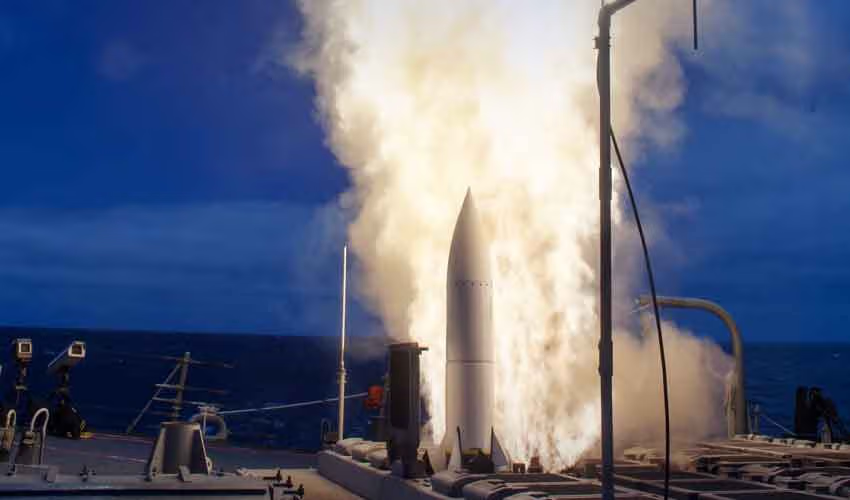
Military officials claimed that Iran has continued developing new weapons technologies and working on systems capable of carrying warheads over long distances.
The warnings suggest that Tehran is attempting to demonstrate that economic pressure has not ended its military development programs.
Iranian officials have also emphasized that their weapons-development efforts have continued despite years of US sanctions and international pressure.
US-Iran Tensions Remain High
Trump’s latest economic threat comes as diplomacy between Washington and Tehran remains uncertain.
The expiration of the reported 60-day ceasefire has added to concerns that the confrontation could enter another dangerous phase.
Washington is seeking to increase economic isolation and pressure Iran into accepting its demands, while Tehran continues to reject what it considers coercive US policies.
The combination of tougher sanctions threats, uncertainty over international trade with Iran, disruptions around the Strait of Hormuz and warnings about Iran’s military capabilities has left the two sides facing a renewed period of tension.
For global businesses and governments, the potential expansion of US sanctions could create additional risks for companies involved in Iranian oil, shipping, banking and international trade.